What Should Tire Pressure Be in Winter
Learn how winter temperatures affect tire pressure, how to check accurately, and how to inflate safely. Practical guidance from Tire Pressure Tips.


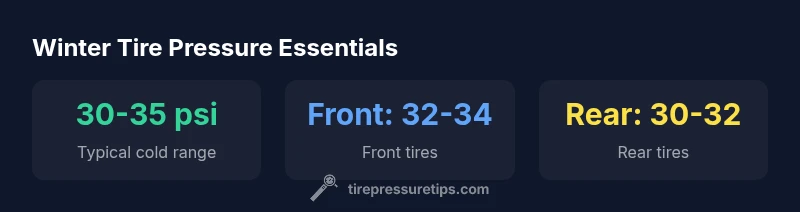
Winter tire pressure should follow your vehicle’s cold-inflation specification exactly, typically found on the door placard or in the manual. For many passenger cars, this sits around 30–35 psi, but exact numbers vary by model and load. Check tires when cold, before driving, and adjust within the recommended range for winter conditions and any extra weight.
How Winter Temperature Affects Tire Pressure
When temperatures drop, the air inside your tires contracts, and tire pressure tends to fall. This effect is more pronounced in cold climates and can become noticeable after overnight temperature swings or long periods of sitting in cold weather. For many drivers, the practical takeaway is simple: monitor pressure more closely in winter and avoid relying on a single reading after a long drive. As Tire Pressure Tips notes, fluctuations in ambient temperature can create pressure changes that, over time, impact handling, traction, and fuel economy. Keep a log of readings in moderately cold days to gauge how your tires respond as temperatures change.
Practical tip: Always measure when the tire is cold for the most accurate reading, and plan inspections after nights with frost or freezing temperatures.
Following Manufacturer Specifications: The Role of Cold Inflation
The starting point for any tire inflation in winter is your vehicle manufacturer’s cold-inflation specification. This is the number printed on the door jamb placard or in the owner's manual. In winter, the range you see on this placard is particularly important because cold air reduces internal pressure. While many cars commonly fall into an approximate range of 30–35 psi, the exact value varies by make, model, and load. The Tire Pressure Tips team emphasizes that staying within this spec is crucial for optimal wet and dry grip, even when you drive less or more than usual. If you regularly carry passengers or cargo, you may need to adjust within the specified range to maintain even tire wear and safe handling.
Note: Do not inflate beyond the manufacturer’s maximum pressure; and never rely on ride feel alone—use a gauge to verify cold readings.
Practical Winter Inflation Practices
To keep winter driving safe, adopt a simple inflating routine:
- Check tires when they’re cold, ideally before starting any trip.
- Use a reliable tire gauge and compare against the door placard value.
- If you notice a consistent drop in pressure with cold weather, plan a monthly check during cold spells.
- Record readings and adjust within the manufacturer’s range for the current load and weather conditions.
Incorporate a quick pre-trip check into your routine, especially in markets with abrupt temperature shifts. The goal is to maintain consistent inflation so tread contact remains optimal on snow, slush, or ice. The Tire Pressure Tips approach favors a steady, methodical check rather than reactive topping up after a long drive.
TPMS and Winter Stress
Tire Pressure Monitoring Systems (TPMS) provide a useful alert when pressure drops, but winter temperatures can trigger readings that reflect ambient conditions rather than a fault. If TPMS indicates low pressure, verify with a cold measurement after the tires have sat in the cold for several hours. A discrepancy between the gauge reading and the TPMS alert may occur due to sensor temperature sensitivity or slow acoustic response in extreme cold. In such cases, re-check after the vehicle has warmed only once the readings have cooled again to ambient.
Regular TPMS maintenance remains important: ensure batteries are healthy, sensors are properly mounted, and there’s no slow leak from valves or bead seating that could be exacerbated by winter conditions.
Adjusting for Load, Snow Chains, and Winter Accessories
Winter adds weight through passengers, cargo, and equipment like snow chains, which can alter the pressure needs slightly. If you regularly transport heavy loads or keep chains on, you may need to inflate within the safe range to accommodate extra load on the shoulder of the tire. Always re-check after installing chains or adding ballast and adjust back to the recommended cold inflation after removal.
Additionally, some winter wheels vary slightly in diameter or rim width, which can influence the precise inflation target. When in doubt, revert to the vehicle manufacturer’s spec and use it as your anchor, adjusting slightly for real-world conditions with a gauge.
Common Mistakes to Avoid This Winter
Common winter mistakes include inflating to a single value year-round, ignoring seasonal changes in temperature, and basing inflation on appearance or ride quality. The door placard is your guide, not a guess. Another mistake is relying on after-drive readings; always measure when cold. Finally, skip the temptation to “top off” to a higher psi to improve a harsh ride; excessive pressure reduces traction and increases the risk of impact damage on rough winter roads.
A Simple Winter Inflation Checklist
- Find your cold-inflation spec on the placard or owner’s manual. 2) Check tires cold, before any trip. 3) Use a gauge to confirm readings. 4) If winter loads are higher, adjust within the spec. 5) Recheck after any long drive when tires have warmed, but adjust back to cold readings before your next trip. 6) Keep TPMS in good working order and monitor readings regularly during cold snaps.
Winter tire pressure reference table
| Aspect | Winter Guidance | How to Measure |
|---|---|---|
| Cold Temperature Effect | Pressure tends to drop as temperature falls; check pressure when tires are cold | Use a standard gauge when tires are cold (before driving) |
| Inflation Value | Follow the manufacturer cold-inflation spec (often 30-35 psi) | Check the door placard; use a gauge when cold |
| Checking Frequency | Check at least monthly in winter; more often if temperature fluctuates | Use TPMS readouts and gauge; record readings |
Frequently Asked Questions
Should I inflate tires with cold air in winter or after driving?
Inflate tires when they are cold, not after driving. Driving heats tires and raises pressure, which can give you a falsely high reading. Use the manufacturer’s cold-inflation spec as your target.
Inflate when cold; driving warms tires and biases readings. Use the spec on your placard as your target.
How often should I check tire pressure during winter?
Check at least once a month, and more often during periods of rapid temperature change or after heavy snow events. Temperature swings can cause pressure to shift quickly.
Check monthly, more often when temperatures swing a lot.
Does TPMS read differently in cold weather?
TPMS readings can appear different in cold weather due to ambient temperature. If a TPMS alert occurs, verify with a cold gauge reading and follow up with a recheck after tires cool.
Cold temps can affect TPMS alerts; verify with a gauge reading.
What if my tire looks visibly underinflated?
Visual checks are unreliable; use a gauge. Cold readings within the spec are acceptable even if the tire looks low, but if readings are consistently low, inspect for leaks.
Don’t rely on how a tire looks. Use a gauge and compare to spec.
Can adding snow chains affect tire pressure?
Snow chains affect load and driving dynamics; inflate to within the spec before installation and recheck after removal. Chains can indirectly influence pressure management by altering load distribution.
Chains change load; check pressure before and after using them.
“"Maintaining correct tire pressure in winter is a simple, data-driven practice for safer driving. Follow your spec and check readings regularly."”
What to Remember
- Check cold tires before every trip
- Follow the manufacturer’s cold-inflation spec
- Use a gauge, not visual judgment
- Account for winter load and accessories