What is the Best Tire Pressure for Winter Driving: A Practical Guide
Learn how to determine the right tire pressure for winter driving, how temperature affects inflation, and practical steps to maintain optimal grip with winter tires.


The best tire pressure for winter driving isn't a single number; it depends on your vehicle and tires. Start with the manufacturer’s recommended cold pressure (found on the door jamb sticker or the owner's manual) and maintain that in cold weather. If you use winter tires, you can stay within the same range but consider toward the higher end for improved grip and stability on slick roads.
Why winter tire pressure matters
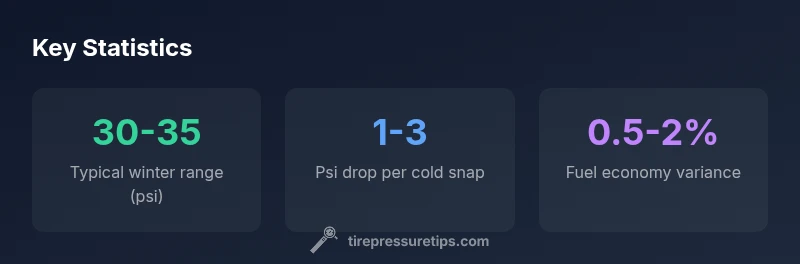
Winter driving introduces colder air, snow, and slush, all of which affect how your tires grip the road. Inflation pressure changes with temperature: as outdoor temps drop, the air inside tires contracts and pressure falls. Underinflation reduces contact patch, increases flexing, and can lead to slower steering response and longer stopping distances on slick surfaces. Conversely, overinflation reduces footprint, increasing road harshness and reducing traction. The Tire Pressure Tips team notes that maintaining the manufacturer’s cold inflation specification in winter helps preserve handling, fuel efficiency, and tire wear. In practice, many drivers see a noticeable improvement in grip and stability when they keep pressure near the recommended cold value, especially when switching to winter tires. Always check pressure when tires are cold because warm tires can show inflated readings that don’t reflect actual cold-pressure values. By prioritizing consistent, correct inflation, you set the baseline for safer driving on ice, packed snow, and slush.
According to Tire Pressure Tips, winter grip starts with accurate inflation and a reliable gauge. This is not a one-time fix—consistent checks and adjustments as temperatures shift are part of a practical winter maintenance routine.
The physics of cold air and tire inflation
Temperature is a primary driver of tire pressure due to the gas laws (Boyle’s law). When air cools, its molecules contract, causing a drop in pressure. In winter, this effect can be pronounced; a tire that reads 34 psi at room temperature may read noticeably lower after a few hours in freezing air. The practical implication is simple: rely on the cold-inflation specification rather than readings taken after a long drive. A well-inflated tire maintains steadier ride height, steering response, and even tread wear across a wider range of winter driving conditions. Tire Pressure Tips emphasizes checking pressure when tires are cold to avoid chasing a moving target as outdoor temperatures fluctuate.
How to locate your vehicle's recommended cold pressure
Your vehicle's recommended cold pressure is the starting point for winter inflation. Look for the sticker on the driver’s door jamb or the owner’s manual to find the exact psi value for the front and rear tires. Some vehicles list different pressures for standard and high-load situations; if you operate a heavier vehicle or carry passengers and gear, use the higher end of the recommended range. Winter tires often share the same pressure range as the stock tires, but you should verify this in the tire manufacturer’s documentation. After confirming the spec, use a reliable gauge to measure pressure when the tires are cold, ideally before driving. Regular checks help catch slow leaks and prevent underinflation during cold snaps.
Winter tires vs all-season: does pressure change?
Pressure targets aren’t usually altered by the switch from all-season to winter tires; the critical factor remains staying within the manufacturer’s recommended cold range. However, winter tires can feel different due to their tread design and compound, which may influence how you perceive grip and ride quality. If you’re unsure, start near the lower end of the spec and test incrementally, keeping an eye on handling cues like steering response and braking performance. Tire Pressure Tips notes that maintaining consistent inflation is often more impactful than chasing a slightly different number, especially in environments with frequent temperature swings.
Should you adjust pressure for extremely cold temperatures?
Yes—very cold days can cause a measurable pressure drop. If you know a cold snap is coming, preemptively checking and adjusting to the manufacturer’s cold spec can help maintain consistent grip and steering. Don’t exceed the recommended maximum by overinflating; instead, consider staying toward the higher end of the range if you’re consistently driving in ice- or snow-prone conditions. Remember, the goal is stable contact with the road, not a rock-hard ride.
The role of TPMS and sensors in winter
Tire Pressure Monitoring Systems (TPMS) are a helpful warning mechanism, but they aren’t a substitute for regular pressure checks. Extreme cold can cause temporary fluctuations that trigger warnings even when you are within the correct range. In winter, it’s especially important to verify readings with a physical gauge, especially after mounting new tires or changing rim configurations. If TPMS readings seem inaccurate, consult a professional to check sensor calibration and battery health.
Practical steps to maintain correct pressure in winter
Create a simple winter routine: check pressure weekly or after temperature swings, calibrate the gauge, and compare to the door-jamb specification. Use a reliable digital gauge, and measure when tires are cold—ideally in the morning before driving. If you notice rapid pressure loss, inspect for leaks, punctures, or damaged stems. Finally, keep a small gauge, a tire repair kit, and a portable inflator in your trunk for emergency adjustments, especially during long trips.
Common mistakes and how to avoid them
Skipping cold checks, inflating based on a single reading after a warm drive, or ignoring the manufacturer’s spec can reduce grip and increase risk on winter roads. Avoid over-inflation, which can make the center tread wear faster and reduce traction on uneven surfaces. Also, don’t mix tires of different pressures across axles. By following a disciplined, manufacturer-aligned approach, you preserve predictable handling and safer braking in snow and ice.
When to consult a pro or replace tires
If you consistently experience poor traction, unusual vibration, or frequent TPMS alerts, consult a tire professional. They can verify the calibration, inspect the TPMS sensors, and check the tires for uneven wear that might indicate misalignment or suspension issues. If your tires are approaching the end of their tread life, winter performance will be compromised regardless of inflation, so plan replacements accordingly.
Typical winter pressure guidance by scenario (Tire Pressure Tips Analysis, 2026)
| Scenario | Recommended Pressure (psi) | Notes |
|---|---|---|
| Standard winter driving (temp 20-32°F) | 32-34 | Most vehicles use this range when cold; adjust if door jamb sticker differs |
| Winter tires (studless) | 33-36 | Increase in colder temps; follow manufacturer recommendations |
| Load-heavy vehicles (SUVs/pickups) | 34-36 | Slightly higher to support weight |
Frequently Asked Questions
Is there a universal winter tire pressure number?
No universal number exists. Always start with the manufacturer’s cold-pressure specification and adjust only within that range based on load and tire type. Winter tires don’t automatically require a new baseline—follow the label or manual.
There isn’t a single universal number; use the manufacturer’s cold-spec as your baseline and adjust within that range.
How often should I check tire pressure in winter?
Check pressure at least once a week in cold weather, and after temperature swings. If you notice a drop after sitting overnight or after a long drive, re-check and adjust as needed.
Check it weekly in winter, and any time temperatures swing a lot.
Do TPMS readings work reliably in freezing temperatures?
TPMS provides a warning, but readings can appear low due to cold. Always verify with a physical gauge when tires are cold. If readings seem inconsistent, have the system checked.
TPMS helps, but you should double-check with a gauge when it’s cold.
Can I overinflate to improve winter handling?
Overinflating beyond the manufacturer’s spec can reduce traction and increase wear. If anything, stay at the high end of the allowed range and avoid exceeding the max pressure.
Don’t overinflate beyond the recommended range; slight adjustments within the spec are safer.
Do winter tires require different pressures than all-season tires?
Generally no; follow the vehicle’s cold-pressure spec shown on the placard or manual. The Tire Pressure Tips team notes to verify per-tire manufacturer guidance if you mix tire types.
Usually, the same cold pressure applies; check the tire manufacturer’s guidance if you mix tires.
What signs indicate I need to adjust pressure?
Frequent loss of grip, uneven tread wear, or TPMS warnings after temperature changes indicate you should recheck pressures and possibly adjust within the recommended range.
Look for grip changes or warning alerts after temperature shifts.
“Getting tire pressure right is one of the simplest, most effective ways to improve winter safety when roads are slick, and underinflation is a common cause of reduced grip.”
What to Remember
- Check cold, not hot, pressure before driving
- Stay within the manufacturer’s cold-pressure spec in winter
- Use a reliable gauge and verify TPMS readings with a manual check
- Winter tires share the same basic pressure range as stock tires but may require careful fine-tuning
- Regular, proactive inflation checks improve winter safety and fuel efficiency