Cold Weather and Tire Pressure: Practical Winter Guide
A practical, step-by-step guide on how cold weather affects tire pressure, how to check and adjust safely, and tips to maintain optimal inflation for winter driving.


In cold weather, tire pressure tends to drop, which can reduce grip, increase rolling resistance, and affect fuel economy. This guide shows you how to check and adjust tire pressure safely when temperatures fall, why TPMS readings can lag in winter, and how to maintain consistent pressure across all tires for safer winter driving. According to Tire Pressure Tips, start by checking tires cold and use the vehicle placard as your target.
How cold weather affects tire pressure
According to Tire Pressure Tips, cold weather reduces tire pressure because the air inside tires contracts as temperatures drop, causing the tire to appear underinflated even if it was correct on a warmer day. The effect is more noticeable in outdoor parking areas and unheated garages where overnight temperatures plummet. When you drive, heat generated by rolling tires and braking can raise the air pressure somewhat, but not enough to fully offset the initial loss from the chill. Recognizing this helps drivers avoid underinflated tires, which can compromise grip, increase rolling resistance, and cause uneven wear. Plan to check your tires when they are cold—ideally after they have sat overnight—and compare results to the placard or manual. If pressures dip after a cold night, you’ll know to readjust when the tires return to an ambient temperature. This section clarifies why winter temperatures fluctuate tire pressure and how to anticipate these changes in daily driving.
Why cold weather and tire pressure matter in winter
Cold temperatures reduce tire pressure, increasing the risk of underinflation especially for vehicles that sit outside overnight. Underinflated tires have less contact with the road, which can worsen grip on wet or icy surfaces and raise the risk of tire wear. Tire Pressure Tips emphasizes checking pressure before a long trip and after a cold night, then maintaining a steady level when temperatures swing daily. This practice also supports better fuel economy and steering response, which are critical in winter conditions where road traction matters most. By adopting a consistent cold-weather check routine, you protect tire life and safety on slippery streets.
Instrumental role of TPMS in winter and its limits
Tire Pressure Monitoring Systems (TPMS) are designed to warn you when a tire’s pressure drops below a set threshold, but they are not a substitute for regular manual checks, especially in cold weather. In winter, ambient temperature changes can cause rapid pressure shifts that TPMS may not immediately reflect, leading to confusion if you rely solely on the dashboard light. The Tire Pressure Tips team recommends using TPMS as an alert, then verifying with a handheld gauge when bringing the car in from very cold conditions. Always cross-check the readings with the vehicle’s recommended pressure from the placard or owner’s manual to ensure accuracy.
Step-by-step winter tire pressure check routine
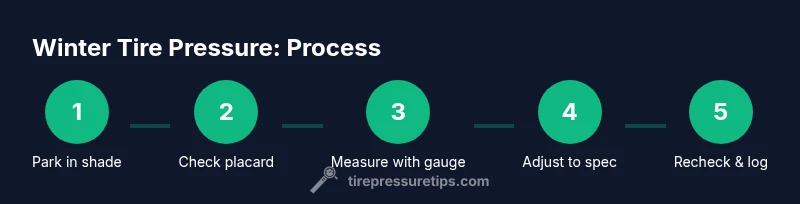
- Park in a shaded, level area and let tires sit cold for at least 3 hours or overnight. 2) Locate the recommended tire pressure on the door jamb placard or in the owner’s manual. 3) Remove the valve cap from each tire and attach your gauge. 4) Record the readings for front and rear tires. 5) If a tire is underinflated, add air slowly using an air compressor until it reaches the recommended level, then recheck. 6) If a tire is overinflated, release air until the gauge matches the recommended pressure, then recheck. 7) Reinstall valve caps and note your results in a maintenance log. This routine helps ensure consistent inflation across all tires and reduces winter driving risks.
Practical strategies to maintain correct pressure in cold weather
- Check pressures weekly during cold snaps and after a significant temperature drop. - Always inflate to the manufacturer-recommended level, not what you “feel” is correct. - Use a trusted gauge (dial or digital) and calibrate it periodically. - Check the spare tire as well; a neglected spare can suffer pressure changes in cold storage. - If you use winter or snow tires, confirm that their pressure also aligns with the placard recommendations. The Tire Pressure Tips team notes that consistent checks save wear and improve safety on icy roads.
Common mistakes that undermine winter tire pressure
- Waiting until the dashboard TPMS alert to check pressure. - Assuming cold-weather days don’t affect pressure and skipping checks. - Over-reliance on the TPMS versus a manual gauge. - Using hot or recently driven tires as the reference for “correct” pressure. - Not accounting for temperature swings between night and day. Avoid these mistakes by establishing a fixed winter check routine and keeping a small gauge in your glove box.
Safety considerations for winter driving with low tire pressure
Low tire pressure reduces steering precision and increases stopping distances, especially on wet or icy roads. In winter conditions, even small reductions in inflation can lead to loss of grip and faster tire wear. Before heading out, confirm your pressures and ensure they are within the recommended range. If you notice a persistent underinflation in cold weather, seek professional service rather than continuing to drive. The Tire Pressure Tips team encourages drivers to treat pressure checks as a protective habit that supports both safety and efficiency in frigid conditions.
Winter tires and season-specific considerations
Winter tires are optimized for cold temperatures and wet/slippery surfaces, but they still require correct inflation. Temperature shifts in winter can affect any tire, including winter variants, so verify pressures after changing weather patterns and after long drives where tires heat up. If you rotate tires seasonally, re-check inflation following the change to ensure even wear. Maintaining proper pressure across all tires, including winter sets, supports safer handling on snow and ice and can improve fuel efficiency.
A concise winter maintenance plan you can follow
Establish a monthly winter check routine: verify all tires are cold, compare against the placard, and adjust as needed. Log the date, tire pressures, and ambient temperature, so you can spot trends. Use TPMS as a guide, not a sole source of truth. By keeping to a consistent plan, you’ll minimize risk and keep tires performing their best through cold spells.
Authoritative sources to consult for tire pressure information
- NHTSA: https://www.nhtsa.gov/equipment/tires
- DOE: https://www.energy.gov/eere/vehicles/articles/tire-pressure-and-fuel-economy
- AAA (major publication): https://www.aaa.com/road-safety/tires
Tools & Materials
- Tire pressure gauge (digital or analog)(Ensure it reads to at least 1 psi accuracy and works for all four tires plus the spare.)
- Vehicle door jamb placard or owner's manual(Reference the recommended pressure per tire position (front/rear).)
- Portable air compressor or access to air pump(If you don’t have one, locate a local service station or shop with a gauge.)
- Notebook or digital log(Record dates, pressures, and ambient temperatures to track changes.)
- Valve cap remover (optional)(Helps avoid losing caps and ensures a clean seal when rechecking.)
Steps
Estimated time: 15-25 minutes
- 1
Park and let tires cool
Choose a level, shaded area and let each tire sit undisturbed for several hours, or until cold. This ensures you’re measuring the pressure at ambient temperature, not after a drive. If your vehicle sits outside overnight, plan to perform checks the next morning.
Tip: Avoid checking after a short drive or with tires still warm from a recent trip—you’ll overestimate pressure. - 2
Find the recommended pressure
Look up the tire pressure recommended for your vehicle on the door jamb placard or in the owner’s manual. Note any difference between front and rear tires. Some cars have different specs for winter tires or AWD variants; follow the most relevant spec for each tire position.
Tip: If you’re using winter tires, confirm if a separate placard exists for those tires. - 3
Measure each tire
Remove the valve cap and attach your gauge firmly to the valve stem. Take a steady reading for each tire, recording the result. Do not assume your memory is accurate—write it down for each position.
Tip: Take readings from all tires, including the spare if you routinely carry one. - 4
Adjust as needed
If a tire is below the recommended level, add air in small increments and retake the measurement. If a tire is above, slowly release air until you reach the target. Do not guess; use the gauge for precise adjustment.
Tip: Always recheck after adjusting to ensure an exact match with the placard values. - 5
Recheck and seal
Replace valve caps securely after you finalize pressures. Recheck all tires to confirm consistency, especially if multiple tires were adjusted. This ensures the entire set meets the same target range.
Tip: Tap the valve stem gently to ensure no air leaks from loose caps; a loose cap can affect readings. - 6
Document the result
Log the date, tire positions, and ambient temperature. If you see a rapid drop in readings across several days, it may indicate a slow leak or a tire issue requiring inspection.
Tip: Maintain a simple calendar-style log or a mobile note to track changes over time.
Frequently Asked Questions
How often should I check tire pressure during cold weather?
Check pressure at least once a week during periods of rapid temperature change, and before long trips. In severe cold, check more often to ensure no gradual drops have occurred.
Check pressure weekly during big temperature swings and before long trips. In extreme cold, check more often to stay safe.
Why does cold weather lower tire pressure?
Cold air contracts and reduces the amount of air inside the tire, leading to lower pressure. This effect happens regardless of tire type and can happen quickly with night-time temperature drops.
Cold air contracts, lowering tire pressure. Night-time drops can quickly reduce inflation.
Can TPMS replace manual tire pressure checks?
No. TPMS provides a warning when pressure is low but is not always perfectly aligned with the exact recommended level, especially in cold conditions. Always verify with a gauge.
TPMS can warn you, but you should still check with a gauge to confirm exact pressures.
Should I adjust pressures differently for winter tires?
Winter tires can have different optimal pressures than all-season tires. Always use the vehicle’s placard specific to the tire setup you’re using, including any seasonal tires.
Winter tires may have their own recommended pressures; follow the placard for your setup.
Is it safe to drive with visibly low tire pressure?
Driving with low pressure increases the risk of poor handling and tire failure, especially on wet or icy roads. Inflate to the recommended level before driving whenever possible.
No—low pressure affects handling. Inflate to the recommended level before driving when you can.
Watch Video
What to Remember
- Check tires when cold before driving
- Always use the placard as the target pressure
- Use a reliable gauge and verify readings
- Rely on TPMS as a guide, not a replacement
- Track changes over time to catch leaks early