Winter Car Tire Pressure: A Practical Guide for Cold Weather
Learn how to check and adjust winter car tire pressure, understand temperature effects, and keep tires properly inflated for safety, traction, and fuel efficiency during cold weather.


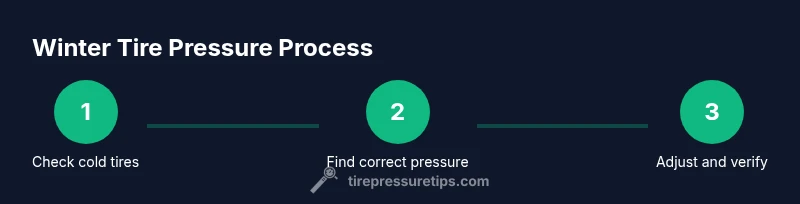
In this guide you’ll learn how to check and adjust winter car tire pressure, interpret TPMS signals, and maintain safe inflation despite cold temperatures. You’ll measure tires when cold, use the correct cold-inflation specification, and inflate with purpose to improve traction and fuel efficiency in winter conditions. Follow the steps to establish a reliable routine.
Why winter tire pressure matters
Winter is a season of rapid and wide temperature shifts. Cold air contracts inside tire cavities, causing tire pressure to drop even when the tire is not visibly leaking. When tires run underinflated in cold weather, you lose grip on slick roads, experience longer braking distances, and may notice more tire wear on the shoulders. Maintaining proper winter car tire pressure helps maximize traction, preserve tire life, and keep fuel economy reasonable in colder months. According to Tire Pressure Tips, inflating tires to the manufacturer’s cold inflation spec during winter is a simple, high-impact habit for safer driving. The Tire Pressure Tips team found that even small deductions in pressure can magnify steering inaccuracies and reduce road feedback in snow and ice. To start, locate the vehicle’s recommended cold tire pressure in the owner’s manual or on the door jamb placard, and keep a reliable gauge handy for regular checks.
How cold weather affects tire pressure
Temperature is a primary driver of tire pressure. As air cools, it shrinks, and the air inside tires contracts, leading to a pressure drop that can be several tenths of a psi with modest temperature changes. This effect is most pronounced when your vehicle sits overnight in freezing temperatures or is exposed to extreme cold before you drive. Because tire pressure rises with the tire’s heated surface during driving, you should always measure when tires are cold to obtain an accurate reading. In winter, you may notice more frequent pressure fluctuations due to outdoor exposure, heating under the hood, and long highway trips that heat tires unevenly. Keep a simple rule: check tires when they’re cold, before you drive, and re-check after the car has cooled back down. The Tire Pressure Tips analysis shows that temperature changes can cause noticeable pressure fluctuations; trusting your gauge and staying within the recommended range is key for safe winter performance.
Getting the right winter pressure: a starting point
Most vehicles share a single cold inflation spec for winter, but some configurations (like varying front/rear weight distribution or dedicated winter tires) may differ. Always start with the number shown on the placard or in the owner’s manual. If you’ve installed winter tires, ensure you’re using the tire manufacturer’s recommended pressure, which may match or differ slightly from the standard spec. Never inflate beyond the maximum pressure stamped on the tire sidewall, and never rely on a “max” label as your target for daily driving. A practical approach is: set to the cold-spec value, then fine-tune within the recommended range based on load and driving conditions. Remember that the goal is consistent contact with the road, not aiming for the highest possible pressure. Tire Pressure Tips emphasizes using the official spec as your baseline and adjusting only within the manufacturer’s guidance.
How to check tire pressure accurately in winter
First, ensure tires have not been driven for at least 3 hours or more, so readings reflect ambient pressure rather than recent heating. Remove the valve cap, press the gauge onto the valve stem squarely, and note the reading on the gauge. If the reading is below the door jamb placard value, add air in small increments, pausing to recheck frequently. For multiple tires, repeat the process for each wheel, and don’t forget the spare if it’s in regular use. After inflating to the target, replace valve caps firmly and wipe away any condensation for a clear gauge readout. If you suspect a slow leak, inspect for nails, cuts, or wheel damage and consult a tire professional. Winter checks should ideally occur on days when the tires are cold and the ambient temperature is stable.
How to adjust for winter driving conditions
Your target pressure should stay within the vehicle’s recommended cold-inflation range, even when you’re carrying extra winter gear. In practice, this means prioritizing a balance between traction and stability: keeping tires close to the spec ensures a consistent contact patch for braking on ice, slush, and snow. If you travel with heavy loads or frequently drive on salted roads, you might adjust within the recommended range to account for extra weight or road conditions; never exceed the maximum pressure printed on the sidewall. Regularly check pressures after long trips or quick temperature swings (e.g., leaving from a warm garage to a freezing outdoor environment) and adjust as needed. The aim is to preserve grip without over-stiffening the tire, which can degrade traction on slick winter surfaces. Always calibrate your PSI using a reliable gauge and re-check when tires have cooled.
TPMS and winter: what to expect
Tire Pressure Monitoring System (TPMS) provides a crucial safety net by signaling when a tire drops below a safe threshold. In winter, ambient temperature changes can cause sudden pressure drops, and TPMS alerts may occur more frequently. Use TPMS as a guide, but verify readings with a handheld gauge. If a TPMS warning persists after adjusting pressure, inspect for leaks, damaged stems, or valve seals. Some systems may be slow to update readings after a cold soak; in that case, re-check with a gauge once the tires have cooled. Remember, TPMS is a backup indicator, not a substitute for manual checks, especially in cold weather when pressure can change rapidly.
Common mistakes and safety tips
Common mistakes include inflating to a higher “max” pressure as a winter precaution, ignoring the manufacturer's cold spec when switching between standard and winter tires, and checking pressure only after driving. A critical safety tip is to check tire pressures weekly during winter and before any long trip. Avoid relying on a single gauge; keep a spare gauge in your glovebox and compare readings across gauges occasionally to detect wear. Wear gloves if it’s freezing outside and ensure you’re in a safe, well-lit area when taking readings. Also, store your spare tire’s pressure in a similar range if it’s intended for use in winter conditions.
A simple winter maintenance routine
Create a quick monthly routine: check all four tires and the spare, compare to the placard pressurization, and adjust as needed. Record readings in a notebook or app to track changes over time and after temperature swings. Before every long winter drive, re-check and top off if necessary, especially after snow or ice clearing. Always keep your tire-pressure gauge accessible, and check after overnight cold snaps when temperatures drop significantly. Finally, inspect tires for visible wear or damage and replace as needed to maintain safe grip through winter.
Tire Pressure Tips's verdict and final recommendations
The Tire Pressure Tips team recommends adopting a proactive winter pressure routine as a non-negotiable safety practice. Prioritize checking cold tire pressures, use the vehicle’s official cold spec, and verify with a gauge rather than relying on TPMS alone. In cold weather, small pressure fluctuations can significantly affect steering, braking, and traction. By maintaining accurate pressures and inspecting tires regularly, drivers can sustain safer handling and better fuel efficiency throughout winter.
Tools & Materials
- Tire pressure gauge (digital or analog)(Use a reliable gauge and check against the vehicle’s cold-spec value)
- Inflation device (air pump or portable compressor)(Prefer a device with an accurate gauge; avoid overinflation)
- Vehicle owner’s manual or door jamb placard(Shows the recommended cold tire pressure for front and rear tires)
- Valve-cap removal tool or clean cloth(Keep valve stems clean to avoid readings affected by dirt)
- Chalk or marker(Helpful to label which tire is being checked if you’re rotating tires)
- Gloves and flashlight(Useful in cold weather or low-light conditions)
Steps
Estimated time: 15-25 minutes
- 1
Ensure tires are cold
Start with tires that have not been driven for at least 3 hours to get a true cold-reading. If you’ve just driven, wait until they’ve cooled before checking. This ensures accuracy when comparing to the cold-spec from the placard.
Tip: Check first thing in the morning or after your car has sat overnight. - 2
Locate the official cold tire pressure spec
Find the recommended cold inflation value for each tire on the driver’s door placard or in the owner’s manual. Note any differences between front and rear tires, and whether winter tires have a different spec.
Tip: If you can’t find the spec, contact a dealer or tire professional for guidance. - 3
Remove the valve cap and attach the gauge
Carefully remove the valve cap and place the gauge on the valve stem. Read the gauge display or count the gauge’s indicator. Compare this reading to the cold-spec value.
Tip: Keep the gauge vertical for the most accurate reading and avoid touching the valve stem during measurement. - 4
Inflate or deflate to the recommended pressure
If the reading is below the spec, add air in small increments and recheck. If above, release air slowly and recheck until you reach the target. Repeat for all four tires and any spare if it’s used regularly.
Tip: Inflate slowly to prevent overinflation and keep readings consistent across all tires. - 5
Re-cap and protect valve stems
Replace the valve caps tightly and wipe away any moisture or debris around the stems. Check that all caps are firmly seated to prevent air leaks.
Tip: Inspect valve stems for signs of cracking or wear during winter checks. - 6
Re-check after cooling
If you’ve driven to adjust pressures, wait for the tires to cool again and then re-check to confirm you’re at the cold-spec target.
Tip: Patience pays off—reading can drift after heat buildup.
Frequently Asked Questions
Does TPMS always reflect actual tire pressure in winter?
TPMS alerts you to underinflation, but temperature can cause readings to fluctuate. Always confirm with a physical gauge, especially in cold weather.
TPMS helps, but use a gauge for accuracy in winter readings.
Should I adjust tire pressure differently for winter tires?
Follow the vehicle’s cold spec and the tire manufacturer’s recommendations. Winter tires may share the same spec as regular tires or have specific guidance—always verify.
Follow the cold spec; winter tires may differ, check the manual.
How often should I check tire pressure in winter?
Check at least weekly and before long trips, especially after cold snaps or temperature swings.
Weekly checks plus before long trips are best in winter.
Can I use nitrogen to maintain winter tire pressure?
Nitrogen can reduce moisture in the tire and help stabilize pressure, but it does not eliminate the need for regular checks or account for temperature changes.
Nitrogen has limited winter benefits; check pressure routinely.
What should I do if TPMS warning stays on after inflation?
If the warning persists after inflating to the correct pressure, inspect for leaks, faulty sensors, or valve issues and consult a tire professional.
If TPMS stays on after inflating, have it checked by a pro.
Is there a risk in inflating tires to a higher cold spec in winter?
Inflate within the manufacturer’s recommended range. Exceeding the recommended cold spec can reduce traction on ice or snow.
Keep within the official range; don’t overinflate for winter.
Watch Video
What to Remember
- Check tires when cold before winter trips.
- Inflate to the manufacturer’s cold spec.
- Verify TPMS readings with a gauge for accuracy.
- Re-check after temperature changes and driving in winter.