Tyre Pressure in Winter: A Practical Guide for Drivers
Discover how winter affects tyre pressure, how to check and adjust it, and practical maintenance tips for safer driving with TPMS guidance and winter tires.


Winter air temperature lowers tyre pressure, so check cold pressures regularly, match them to your vehicle's placard, and adjust only when tires are cold. If you drive in freezing conditions, monitor TPMS and recheck pressures after long trips or fuel stops. Keep your spare tire in mind and avoid overinflation in very cold mornings.
Why winter tyre pressure matters
In cold months, air contracts and tyre pressure tends to drop. This shift can alter handling, grip, and tire wear, especially on slick roads where precise pressure helps maximize contact with the pavement. According to Tire Pressure Tips, staying on the recommended cold pressure for your vehicle is a simple, impactful way to preserve efficiency and safety. Driving with underinflated tyres increases rolling resistance, reduces fuel economy, and can cause uneven wear patterns that shorten tread life. In winter, the compounds in tires also behave differently, so maintaining correct pressure helps the tire maintain its profile and contact patch even as temperatures swing between freezing mornings and warmer afternoons.
This isn’t just about performance; proper tyre pressure supports braking response and steering control, which are critical on ice and snow. While pressures can vary by vehicle, the placard on the door jamb (or the owner’s manual) provides the baseline. If you notice a TPMS warning, don’t ignore it—low pressure readings often precede a more serious air loss if a seal is compromised or a puncture occurs.
How to check tyre pressure in winter
Checking tyre pressure in winter requires a slightly different routine because readings can change rapidly with temperature. Always measure when the tyres are cold (typically after the car has been parked for at least 3 hours or overnight). Use a reliable gauge—dial or digital—and compare the result to the placard value. If you’re unsure, take a reading from each tyre and write it down to track changes over time. After inflating to the recommended level, recheck to confirm the target is held steady; rapid fluctuations can indicate a slow leak or a damaged valve stem. TPMS can alert you to pressure drops, but it’s still essential to verify with a gauge, especially in winter when atmospheric conditions can create misleading readings.
How temperature affects tyre pressure in cold months
Temperature plays a major role in tyre pressure. Cold air reduces the pressure inside the tyre, and when you drive, heat from rolling tires can temporarily raise the pressure. In winter, daily temperature swings—especially in early morning or after nights with frost—mean you may notice pressure drift between readings. This is why a consistent measurement habit matters: check when cold, adjust to the manufacturer’s recommended cold pressure, and avoid inflating while the tires are hot. By pairing a gauge with the vehicle placard and your TPMS, you create a robust system that helps you maintain safe and efficient tire performance throughout the season.
Vehicle-specific practices: using placards and TPMS together
Your vehicle’s placard (found on the driver's door jamb or fuel cap) lists the recommended cold pressures for front and rear tyres. When the temperature drops, those pressures may represent a target that seems a bit low when measured in the morning, but that’s expected until temperatures rise and tires warm. TPMS provides a live signal if a tyre falls below the threshold, but it’s not a substitute for a manual gauge. In winter, it’s wise to check both tyre pressures and the TPMS status weekly or after a string of cold days, because small leaks or temperature-driven changes can accumulate quickly and affect braking distance and handling.
When to adjust pressure in winter
Adjusting tyre pressure should be tied to the cold-pressure guideline from your placard. If a tyre reads significantly lower than the target—especially on the same axle—inflate in small increments and recheck after the tyre cools. Do not overinflate in a hurry; overinflation can reduce contact patch and increase the risk of a blowout on icy surfaces. If you frequently drive in subfreezing conditions, consider a routine of checking pressure at least once every two weeks during cold spells and more often if you notice a TPMS warning or if a day-to-night temperature swing is large.
Winter tires, seasonal pressures, and maintenance
If you use winter tires, you’ll still want to monitor cold pressures to maintain consistent handling and even wear. The outer tread on winter tires can be more susceptible to pressure changes because of the compound’s behavior in cold weather. Even with winter tires installed, check the recommended cold pressure on the placard and adjust as needed. Rotating tires on schedule and ensuring wheel alignment are also important winter maintenance steps. Keep tools handy for quick checks, especially before long trips to unplug or reseat the caps and axles to prevent leaks.
Practical tips and common mistakes
— Tip: Check your tire pressures on the same day each week during winter. Regular checks help catch slow leaks early. — Common mistake: Inflating while the tire is hot after a drive and assuming the reading is correct. You must let the tire cool for accurate measurement. — Note: Some gauges can vary slightly; cross-check with a second gauge if readings seem off. — Warning: Never exceed the maximum inflation pressure printed on the tyre sidewall; use the placard as your guide.
Authority readings and further reading
For additional guidance on tire maintenance and winter driving, consult reputable sources. Useful references include government and major publication sites such as government transportation safety resources and established road-safety organizations. These sources provide safety-oriented advice that complements practical at-home checks. Always verify the date and relevance of any guidelines to ensure you’re applying current recommendations.
Quick winter checklist for drivers
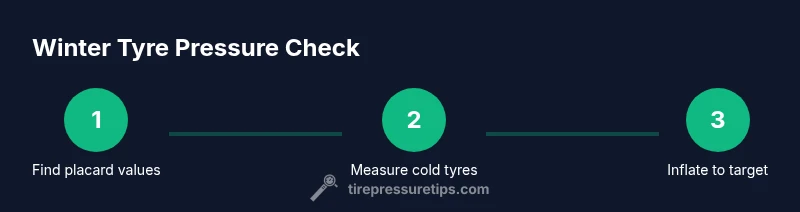
- Locate your placard value and note separate front/rear pressures. 2) Check tyres when cold, using a reliable gauge. 3) Inflate or deflate in small increments to the recommended values. 4) Recheck all tyres after adjustments and confirm the TPMS readings. 5) Inspect valve stems and caps for leaks. 6) Record results for future reference. 7) Include the spare in your checks and maintain proper inflation year-round.
Tools & Materials
- Tire pressure gauge (dial or digital)(Accuracy within ±1 psi is ideal; use when tires are cold.)
- Vehicle placard/owner's manual(Use the recommended cold pressure values for front and rear tyres.)
- Air inflator or compressor(Prefer a unit with a built-in gauge; ensure it can read in psi.)
- Pen/notepad or mobile device(Record readings and dates to track changes over time.)
Steps
Estimated time: 25-40 minutes
- 1
Find the recommended cold pressures
Open the driver's door jamb to read the placard or consult the owner's manual to confirm front and rear tyre targets. Note any difference between axles and your spare's target if provided.
Tip: Take a quick photo of the placard for quick reference during fuel stops. - 2
Park on a level surface and cool the tires
Before measuring, park on level ground and wait for at least 3 hours or overnight so readings reflect cold tires rather than heat from driving.
Tip: Avoid measuring right after a highway trip; readings will be temporarily high. - 3
Attach gauge and read each tyre
Remove the valve cap, place the gauge on the valve stem, and press firmly to get a stable reading for each tyre (including the spare). Record the result.
Tip: If you hear a hissing sound, reseat and try again to ensure an accurate reading. - 4
Compare to the placard values
If a tyre is below the target, inflate in small increments and recheck after it cools; if above, release air gradually and recheck.
Tip: Keep tire readings within 1-2 psi of target to avoid over or underinflation. - 5
Inflate/deflate to target pressure
Adjust each tyre to the exact cold-pressure specification. After adjusting, recheck to confirm accuracy.
Tip: Do not rely on a single measurement; repeated checks ensure consistency. - 6
Secure caps and tidy up
Reinstall valve caps on all tyres and store the gauge for next use. A loose cap can allow slow leaks.
Tip: Keep the gauge in the glove box or center console for quick access. - 7
Document results and monitor over time
Note readings in your maintenance log and check weekly during cold spells. Temperature changes will still affect pressure.
Tip: If you notice persistent low readings, have the tires inspected for leaks or damage.
Frequently Asked Questions
Why does winter affect tyre pressure?
Cold air lowers tyre pressure, reducing the tire’s contact patch and efficiency. This can affect handling and braking in winter conditions. Regular checks help maintain safety.
Cold air lowers tyre pressure, which can affect grip; check pressures regularly in winter to stay safe.
How often should I check tyre pressure in winter?
Check the pressures at least weekly and before long trips, especially after cold snaps or temperature swings. Recheck after inflating to ensure the target is maintained.
Check weekly and before trips, especially after cold days; verify after adjusting.
Is TPMS reliable in winter?
TPMS is a helpful alert, but readings can drift with temperature changes. Use a gauge to confirm the actual pressure and maintain it per the placard.
TPMS helps, but verify with a gauge because temperature shifts can affect accuracy.
What should I do if the TPMS warning light stays on?
Safely pull over and inspect pressures with a gauge. If readings are near target but the light remains, consult a professional to check for leaks or sensor issues.
Pull over safely, check pressures, and seek professional help if the warning persists.
Should I inflate to winter tire pressures or summer pressures?
Always follow the vehicle placard for target cold pressure, regardless of tire type. Winter tires still rely on correct pressure for safe braking and handling.
Follow the placard for target pressure; winter tires also need correct pressure.
How big a role does temperature play in pressure changes?
Temperature influences pressure due to air expansion and contraction. Expect readings to drift with outdoor conditions; measure when cold and adjust to the placard values.
Temperature causes pressure drift; measure cold and adjust to the placard.
Watch Video
What to Remember
- Check cold pressures regularly in winter
- Always follow the placard for target psi
- Use TPMS as a supplementary check, not a substitute
- Inflate/deflate slowly and recheck after cooling
- Record readings for ongoing safety