How to Prevent Low Tire Pressure in Cold Weather
Learn practical, field-tested steps to prevent low tire pressure during cold weather. Regular checks, proper inflation, TPMS understanding, and winter maintenance keep your vehicle safe and efficient.


Check tire pressures regularly as temperatures drop, use a precise gauge, and inflate to the vehicle’s recommended PSI when tires are cold. Pair this with routine TPMS checks and leak inspection for reliable cold-weather tire performance.
Why cold weather affects tire pressure
Tires lose air as temperatures fall because air contracts when it gets colder. This pressure drop happens even if the tires look normal and you haven’t driven recently. If you’re looking for practical guidance on how to prevent low tire pressure in cold weather, this section explains why it happens. According to Tire Pressure Tips, cold weather reduces tire pressure as the air inside tires contracts, making regular checks essential. By understanding the science, you’ll be better prepared to recognize and respond to the symptoms of underinflation before they affect handling, braking, or fuel economy.
The science: air temperature and PSI
The relationship between temperature and tire pressure is straightforward in principle: as ambient temperature decreases, the air inside the tire becomes denser and exerts less pressure on the tire walls. This is not a rule of thumb but a physical property of gases. While you should never rely on guesswork, this knowledge helps explain why winter driving often feels different and why cold tires can lose several PSI over a few weeks. The takeaway is simple: monitor pressure more often in winter and ignore the temptation to extrapolate from summertime numbers. Tire Pressure Tips emphasizes that seasonal changes are a consistent factor and that proactive checks beat reactive fixes. This section will help you translate theory into practical steps you can take today.
How to establish a cold-weather PSI baseline
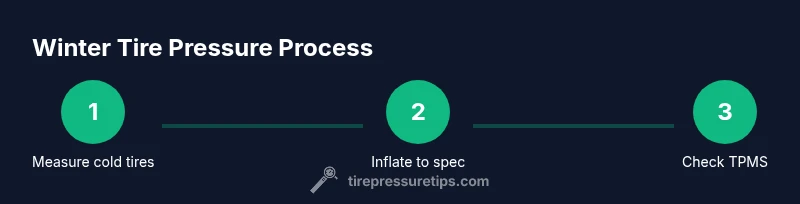
To know what “normal” is for your tires in cold weather, start with your vehicle’s printed PSI on the door jamb or owner’s manual. Ensure the tires are cold before measuring; take readings after the car has rested for at least three hours or after driving less than a mile. Record the value for all four tires and note any discrepancies between wheels. This baseline becomes your reference point for winter months, guiding decisions about inflation and maintenance. If you notice a drop of more than 1–2 PSI compared with your baseline within a week, consider adjusting and rechecking. Establishing this baseline reduces guesswork and improves safety during cold snaps.
Regular pressure checks: frequency and best practices
Winter is the season for increased vigilance. Check tires at least once a week during periods of sustained cold, ideally in the morning when tires are cold. Use a high-quality, calibrated gauge and compare readings against the baseline. If you find any tires consistently low, inspect for leaks or valve issues rather than instantly inflating to the maximum. Keep a small notebook or digital log so you can track trends and respond quickly when temps drop further. Consistency is the key to preventing unexpected pressure loss.
Use the right tools: gauges and TPMS
A good gauge is your first line of defense. Digital gauges tend to be easier to read in cold weather, and they should be calibrated periodically. Do not rely solely on TPMS to determine exact psi, as TPMS signals reflect wheel performance rather than precise readings. Treat TPMS as a supplementary alert that prompts a manual check with a gauge. Always compare gauge measurements with your baseline and the vehicle’s recommended PSI, not just the TPMS warning. In winter, tools that work reliably in cold conditions are worth the investment.
Inflation strategy: targets and adjustments
Inflate tires to the vehicle-recommended PSI when the tires are cold. If you live in an area with frequent drastic temperature swings, recheck after the first long stretch of winter weather or after a cold night. Avoid inflating beyond the recommended range; overinflation can lead to harsh handling and uneven wear. After adjusting, recheck again once the tires have cooled to ensure you’re within spec. A practical approach is to inflate in small increments and verify readings at two points in time. This minimizes the risk of overcompensation and keeps tires within the ideal range.
TPMS role: sensors and accuracy in cold
TPMS provides real-time alerts when a tire’s pressure deviates from the norm, but cyclic temperature changes can cause short-term fluctuations that TPMS may not capture as precisely as a gauge. Use TPMS as a warning sign and then confirm with a gauge when temperatures shift rapidly. If a TPMS regularly reads low while your gauge shows normal pressures, there may be a sensor issue or a slow leak. In such cases, service intervention may be necessary to restore accuracy and safety.
Leak detection and damaged tires before winter
Leaks can develop around valve stems, bead seals, or punctures that become more noticeable in cold weather. Inspect tires for cracks, bulges, or objects lodged in the tread. If you detect a slow leak, do not ignore it—address it promptly with a professional assessment. A small nail or bead leak can become dangerous in freezing conditions when pressure drops more quickly. Regularly rotating through your four tires also helps you spot anomalies earlier.
Seasonal maintenance routine: scheduling
Treat winter tire pressure management as a recurring task. Create a monthly winter maintenance checklist that includes PSI verification, TPMS testing, leak checks, and a quick inspection of valves and rims. Consider scheduling a seasonal service nearby to calibrate gauges and confirm TPMS accuracy before peak winter driving begins. A predictable routine reduces the chance of forgotten checks and helps you stay safe in challenging weather conditions.
Driving tips to reduce pressure loss and safety
Smart driving habits can reduce the rate of pressure loss and improve safety in cold weather. Avoid aggressive acceleration and high-speed driving on underinflated tires. Maintain gradual speeds on icy or wet surfaces, and keep tire pressure within the recommended range to ensure optimal contact with the road. Remember that tire performance is closely tied to pressure, temperature, and wear. By combining consistent checks with careful operation, you can minimize winter risk and preserve fuel efficiency.
Common myths about cold-weather tires
Myths persist about cold-weather tires: that they inherently prevent pressure loss, or that inflation should be set to maximum PSI for winter. The truth is that cold weather lowers tire pressure, but safety comes from following your vehicle’s PSI specification and verifying with a gauge. Debunking these myths helps you avoid over-inflation, uneven wear, and compromised control in winter driving. Tire Pressure Tips encourages drivers to rely on actual measurements and manufacturer guidance rather than folklore.
AUTHORITY SOURCES
For reliable information on tire safety and weather effects, consult these sources: - https://www.nhtsa.gov/road-safety/tires - https://www.noaa.gov - https://www.nist.gov
Tools & Materials
- Tire pressure gauge (digital preferred)(Calibrated and suitable for winter use; check accuracy regularly)
- Portable air compressor or inflator(Must show PSI; good for on-the-go adjustments)
- Soapy water solution(For quick leak checks at valve stems and bead area)
- Notebook or digital log(Track baseline and winter readings across weeks)
Steps
Estimated time: 25-30 minutes
- 1
Gather tools and plan
Collect the gauge, inflator, and logging method. Review the forecast and choose a calm, dry time to perform checks. This reduces wind chill effects and helps you read gauges accurately.
Tip: Having all tools ready minimizes trips outside in cold weather. - 2
Measure tires when cold
Measure all four tires in the morning or after the car has been parked for several hours. Record each reading and compare to the door placard value and your baseline.
Tip: If you recently drove, wait at least three hours before measuring. - 3
Determine your baseline
Use your most recent cold-reading baseline to assess seasonal changes. Note any wheel where pressure is consistently low, which may indicate a leak or slow puncture.
Tip: Baseline consistency across wheels is a strong indicator of normal conditions. - 4
Inflate to the recommended PSI
Inflate each tire to the vehicle’s recommended PSI when cold. Do not exceed the maximum PSI printed on the tire sidewall, which is not the target for daily driving.
Tip: Inflate in small increments and recheck after the tires cool. - 5
Check for leaks
While inflating, inspect valve stems, beads, and sidewalls for cracks or slow leaks. Use soapy water to verify seals and stop leaks quickly.
Tip: A slow leak becomes dangerous in cold weather if ignored. - 6
Verify TPMS behavior
Check that TPMS alerts report correctly after inflation and cold-start. If readings differ from gauge tests, note possible sensor issues.
Tip: TPMS is a warning tool, not a precise pressure source. - 7
Document and plan next checks
Log the readings and schedule the next check before the next cold snap. Set reminders for weekly checks during freezing periods.
Tip: Consistency is key to catching leaks early.
Frequently Asked Questions
Why does cold weather cause tires to lose air?
Cold temperatures cause air to contract, reducing tire pressure even if the tires look normal. This is a predictable winter effect, so proactive checks help maintain safe pressures.
Cold weather makes the air shrink, so tires lose pressure even if they look fine. Check regularly to stay safe.
How often should I check tire pressure in winter?
Check pressures at least weekly during prolonged cold periods and after sudden temperature drops. Always measure when tires are cold and compare to your baseline.
Weekly checks during winter are a good rule of thumb; do them when tires are cold.
Can TPMS be wrong in cold weather?
TPMS provides alerts but can be affected by temperature and sensor issues. If TPMS readings differ from gauge measurements, verify with a manual check and consider sensor maintenance.
TPMS helps, but don’t rely on it alone—confirm with a gauge in cold weather.
Is it safe to drive with underinflated tires in winter?
Driving on underinflated tires is riskier in winter due to reduced grip and longer stopping distances. Inflate to the recommended PSI as soon as possible if a reading shows low pressure.
No—avoid driving on underinflated tires; fix the pressure before long trips.
What is the ideal PSI for cold weather?
The ideal PSI is the vehicle-recommended value listed on the door jamb or owner's manual. Do not guess; use that spec and verify with a gauge when tires are cold.
Use the manufacturer’s cold-weather PSI from your car’s placard.
Should I inflate tires to the maximum PSI for winter?
No. Overinflating to the max can reduce traction and cause uneven wear. Follow the manufacturer’s recommended PSI, not the tire’s maximum PSI.
Don’t inflate to the max—stick to the recommended PSI for safety and wear.
Watch Video
What to Remember
- Check tires when cold to establish a winter baseline
- Inflate to the recommended PSI, not the max
- Use TPMS as a supplementary alert and verify with a gauge
- Inspect for leaks and valve issues regularly in winter
- Maintain a simple winter maintenance log for consistency