Tire TPMS: Check, Reset, and Maintain for Safer Tires
Learn how tire tpms works, how to check pressures, reset sensors, and troubleshoot alerts with a practical, step-by-step approach for safer, more efficient driving.


By the end of this guide you will confidently work with tire tpms, understand how TPMS works, and follow safe steps to check, reset, and troubleshoot alerts. You’ll learn how to verify tire pressure, identify sensor faults, and maintain proper inflation for fuel efficiency and grip. This quick answer sets up the detailed, step-by-step instructions below.
How TPMS Works
According to Tire Pressure Tips, tire TPMS relies on sensors placed in each wheel to monitor air pressure and, in many cases, temperature. Direct TPMS uses sensors mounted inside the tire or valve stem; indirect TPMS uses rotational speed data from the vehicle’s ABS system to infer changes in pressure. The dashboard warning light signals a threshold breach, typically when a tire falls several PSI below the vehicle’s target. Sensors are powered by small batteries that can degrade over time, leading to false alerts or sensor failure. Because TPMS is designed to warn you before a tire becomes dangerously underinflated, it's essential to couple this system with regular pressure checks using a gauge. A well-calibrated gauge provides an independent check against the TPMS reading, helping you spot slow leaks that may not trigger the light right away. Keep in mind that TPMS data can be influenced by temperature, wheel position, and recent tire service, so treat it as a guide rather than a single source of truth. The Tire Pressure Tips team emphasizes that understanding these nuances helps drivers respond more effectively when the light comes on.
Checking Tire Pressure Correctly
Tire pressure checks begin with cold tires, ideally after the car has been parked for several hours or overnight. Remove the valve cap, attach a reliable tire pressure gauge, and read each tire's pressure. Compare your measurement to the manufacturer’s recommended pressure, which is usually listed on the door jamb sticker or in the owner's manual rather than the tire sidewall. If a tire is underinflated, add air in small increments, rechecking after each adjustment. If overinflated, release air until you reach the recommended level. Don’t rely on anecdotal feels or visual inspection alone—the TPMS can miss subtle leaks, and underinflation can reduce handling, increase wear, and lower fuel efficiency. Repeat the process for the spare if your vehicle's TPMS monitors it, and record any consistently high or low readings to discuss with a technician.
When to Reset or Calibrate TPMS
A TPMS reset or relearn is needed after certain events, such as replacing a tire or wheel, rotating tires, or performing a tire service. Because each vehicle can handle resets differently, always consult the owner's manual and the service information for your exact model. In many vehicles you can initiate a relearn through the vehicle’s infotainment system or instrument cluster, and some require a short drive with all tires at the correct pressure to complete the process. Do not attempt reset if you still see an active warning after correcting pressures; focus first on verifying all pressures are correct and there are no leaks. If your tires were replaced and no reset is possible, a professional relearn may be required to ensure the system accurately tracks each wheel.
How to Inspect and Diagnose TPMS Sensors
Regular inspection of TPMS sensors helps prevent nuisance warnings and untimely tire changes. Look for corroded valve stems, damaged sensor housings, or loose wheel hardware around each sensor. If you suspect a faulty sensor, check the seal with a soapy-water solution: bubbles indicate a leak, which may mean a damaged stem or faulty sensor. Remember that direct TPMS sensors are powered by small batteries; as the battery ages, accuracy can decline, leading to intermittent alerts. Indirect TPMS relies on ABS data; miscalibration or wheel changes can upset readings even without a physical sensor fault. If you notice a sensor reading that doesn’t match the measured pressure, perform a cross-check with a different gauge and compare the numbers. When in doubt, consult a qualified technician who can confirm sensor health and perform sensor relearns if required.
Step-by-Step: Resetting TPMS on Most Vehicles
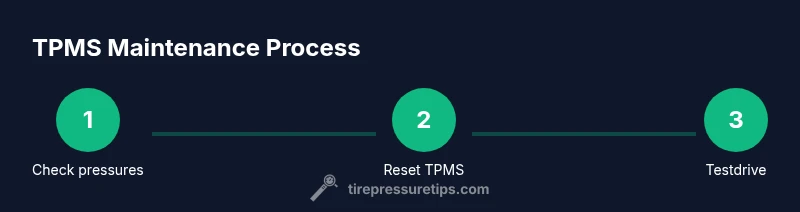
- Access the TPMS reset option in the vehicle’s settings menu or through the driver information center, depending on your model. 2) Inflate all tires to the manufacturer’s recommended pressure while the car is cold. 3) Turn the ignition to ON, without starting the engine. 4) Navigate to the TPMS relearn or reset function and confirm the action. 5) Drive the vehicle at a steady speed for 10-15 minutes to let the system relearn wheel pressures. 6) Check that the TPMS light extinguishes; if not, repeat the process or seek service. Pro tip: have a helper monitor the dash while you perform the steps to avoid missing the reset. If you’re uncomfortable with relearns, a dealership or shop can perform a professional relearn.
Common TPMS Faults and Troubleshooting
Common TPMS faults include dead or dying sensor batteries, damaged valve stems, corroded wheel hardware, or miscalibrations after tire changes. If the light flickers or stays on after efforts to adjust pressure and relearn, a sensor replacement or specialized relearn procedure may be required. Leaks around the valve stem can trigger false alerts; use soapy water to confirm any bubble formation. Environmental factors such as extreme temperatures can temporarily trigger warnings; however, persistent alerts warrant a professional inspection to avoid driving with underinflated tires or damaged TPMS components.
Maintenance to Prevent TPMS Alerts
To minimize nuisance alerts, pair TPMS checks with regular tire-pressure verification. Keep tires inflated to the manufacturer's recommended levels, rotate tires as advised, and replace worn sensors before they fail. Clean and inspect valve stems during each tire service and protect sensor components from road debris. If you notice repeated alerts after maintenance, request a sensor relearn or code scan to ensure the system is tracking each wheel correctly. Regular upkeep saves time and reduces the risk of unsafe driving conditions.
Safety Considerations and Signals
TPMS is a safety aid, not a replacement for your own tire checks. A warning can indicate a slow leak, puncture, or sensor fault; always verify with a gauge and inspect tires for sidewall damage. If you experience a sudden or severe drop in pressure, pull over safely, avoid driving on a flat tire, and seek assistance. Temperature changes can alter pressure readings, so recheck when conditions shift. If the TPMS warning persists after proper inflation and attempts to relearn, consult a technician to avoid unsafe driving conditions.
Tools & Materials
- Tire pressure gauge (digital or analog)(Calibrate to measure pressure accurately; use cold tires)
- Vehicle owner’s manual or TPMS reset procedure(Find model-specific reset steps)
- Tire inflator or air compressor(Essential for adjusting pressures to the recommended range)
- Soapy water spray(Use to check for leaks around valve stems or sensors)
- Smartphone or camera(Capture readings or sensor codes for reference)
Steps
Estimated time: 30-40 minutes
- 1
Access the TPMS reset option
Locate the relearn or reset function in the vehicle’s settings or driver information center. Model differences exist, so consult the owner’s manual for exact navigation.
Tip: Have the manual handy or note your VIN for model-specific steps. - 2
Inflate all tires to the recommended pressure
Ensure tires are cold before inflating. Use a gauge to verify each tire reaches the target pressure specified by the manufacturer.
Tip: Inflate gradually and recheck after a few minutes of stabilization. - 3
Turn ignition ON without starting
Power the instrument cluster so the TPMS relearn prompts can be accessed and recorded by the vehicle.
Tip: Do not start the engine during relearn to avoid interference. - 4
Run the relearn procedure
Follow on-screen prompts or manual instructions to initiate the relearn. Some cars require a specific sequence (settings menu, hold button, etc.).
Tip: If prompts are unclear, refer to the manual or dealership for clarification. - 5
Drive to complete relearn
Drive at a steady, moderate speed for the time recommended by your vehicle to allow sensors to re-calibrate.
Tip: Avoid aggressive acceleration or braking during this period. - 6
Verify the warning light is off
Check each tire with a gauge again to confirm all pressures match the target. If the light persists, repeat steps or seek service.
Tip: Document any persistent discrepancies for service notes.
Frequently Asked Questions
What is TPMS and how does it work?
TPMS stands for Tire Pressure Monitoring System. It uses wheel-mounted sensors or ABS data to monitor tire pressure and alerts you if it drops below the safe range. There are direct and indirect TPMS implementations, and both require independent checks with a gauge.
TPMS monitors your tire pressure and alerts you if it gets too low. There are different kinds, and you should still verify with a gauge.
Why did my TPMS light come on after a tire rotation?
A rotation can change sensor positions or require a relearn. Verify pressures are correct and perform the relearn as specified by the manual. If the light stays on, a sensor may need service.
Usually a relearn is needed after rotation. Check pressures and follow the manual to relearn.
Can I reset TPMS myself?
Yes, many vehicles support a DIY relearn, but steps vary by model. Always consult the owner\'s manual and complete the relearn. If unsure, a dealer or shop can perform it.
You can often reset TPMS yourself, but follow your manual or ask a pro if unsure.
What should I do if TPMS stays on after inflation?
Check for leaks or sensor faults. If the reading still differs from the gauge after inflation, a relearn or sensor replacement might be required.
If the light stays on after inflating, check for leaks or sensor faults and relearn if needed.
Is TPMS the same as using a tire pressure gauge?
No. TPMS provides live alerts via sensors, while a gauge gives a manual pressure reading. Use both for best accuracy and safety.
TPMS alerts you to pressure issues; a gauge confirms exact pressure.
How long do TPMS sensors last?
Sensor life varies by vehicle and driving conditions. Some sensors last many years, while others may need replacement sooner. If you see frequent warnings, check sensor health.
Sensor life varies; if warnings become frequent, inspect or replace sensors.
Watch Video
What to Remember
- Check cold tires with a gauge before driving.
- Use TPMS in addition to manual checks for accuracy.
- Reset or relearn TPMS only per the owner's manual.
- Investigate persistent warnings for leaks or sensor faults.
- Regular maintenance reduces nuisance TPMS alerts.