Tire with Pressure Sensor: A Practical TPMS Guide
Learn how a tire with pressure sensor (TPMS) works, how to check and adjust tire pressures, reset TPMS, and troubleshoot common sensor issues with practical, safety-focused steps.


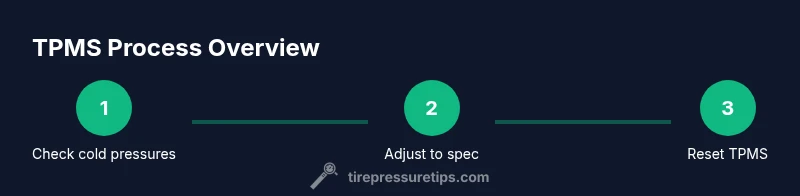
Learn how to read and maintain a tire with pressure sensor (TPMS): check pressures when cold using a TPMS-friendly gauge, adjust to the vehicle's recommended spec printed on the door jamb, and reset the TPMS after inflation or tire rotation. This guide covers safety, common issues, and when to seek professional help.
How TPMS Works
A tire with pressure sensor (TPMS) uses sensors mounted in each wheel to monitor air pressure in real time and alert you when levels fall outside the factory spec. There are two common flavors: direct TPMS, which uses actual pressure sensors inside the valve stem or wheel; and indirect TPMS, which uses wheel speed data to infer pressure changes. Direct TPMS provides precise readings and a dedicated warning light, while indirect TPMS relies on the ABS/ESP system to estimate pressure changes. For drivers, understanding TPMS helps prevent underinflation, which reduces fuel efficiency, tire wear, and traction. According to Tire Pressure Tips, a properly functioning TPMS helps you catch slow leaks early and schedule maintenance before a flat tire becomes a roadside risk. The door jamb sticker and owner’s manual provide the target pressures for cold tires, which remain valid across temperature changes and driving conditions. A healthy TPMS setup supports safer driving, better fuel economy, and longer tire life.
Why Accurate Tire Pressure Matters
Maintaining the correct tire pressure improves handling, braking, and overall vehicle safety. Underinflation increases rolling resistance, causes more heat buildup, and accelerates wear on the tread shoulders. Overinflation can reduce traction and cause a harsher ride. With a tire that includes a pressure sensor, you’ll receive timely alerts if any tire is underinflated or overinflated, helping you avoid sudden flats and uneven wear. The Tire Pressure Tips team emphasizes that consistent pressures across all tires help even tread wear and maximize fuel efficiency. Using TPMS alongside a reliable pressure gauge gives you a practical, real-world method to keep tires in their sweet spot.
Safety and Maintenance Basics
Safety comes first when working with tires and sensors. Always perform checks on a cool tire, avoid overinflating beyond the recommended range, and never tamper with a sensor while the tire is inflated. When you rotate tires, reset the TPMS if required by your vehicle, and inspect the sensor valves for cracks or corrosion. Regular maintenance includes keeping wheel valves clean, protecting sensors from impacts when replacing wheels, and verifying that the tire pressure sticker on the door jamb matches your inflation target. In the context of tire with pressure sensor, routine checks help you detect leaks early and prevent sudden tire failure. The Tire Pressure Tips guidelines recommend recording your tire pressures over time to spot slow leaks and to verify that TPMS readings remain accurate.
How to Check Tire Pressure with a Sensor
To accurately check pressure on a tire with a sensor, start with tires cold. Remove the valve cap and attach a gauge; push firmly and read the pressure. Compare the reading to the vehicle’s door jamb sticker, which shows the recommended cold pressure. If the tire is low, add air in short bursts, recheck the pressure, and adjust to the target. After inflating, reinstall the valve cap and recheck all tires. If your TPMS still shows a warning after inflation, there may be a sensor issue or a slow leak. Keep in mind that sensor readings can differ slightly between gauges; use a trusted, TPMS-compatible gauge for consistency.
How to Read Sensor Data and Diagnose TPMS Warnings
TPMS warnings come in several forms. A yellow warning light usually signals underinflation or sensor fault, while a red warning indicates a serious problem requiring immediate attention. Direct TPMS displays precise psi values on the dash or infotainment screen, whereas indirect TPMS relies on ABS-based indicators. If the light comes on after inflating, wait for a few minutes to let the system update, then recheck the pressure with a gauge. If readings still appear off, there may be a faulty sensor, a dead battery, or a damaged valve stem. The Tire Pressure Tips team notes that sensor failures aren’t always obvious from the dashboard; a slow leak can also trigger a warning. Document recent changes (tire rotation, new tires, or repairs) to help diagnose suspect readings.
Resetting and Recalibrating TPMS
Many vehicles include a TPMS reset option in the instrument cluster or settings menu. Some require a scan tool to relearn sensors after a tire rotation or new tires. In general, you should reset TPMS after inflating to target pressure, changing tires, or mounting winter tires. Steps vary by model, so consult your owner’s manual or dealer if in doubt. A typical process involves selecting the TPMS or relearn option, driving a short distance to let the system relearn, and verifying that the warning light stays off after the recalibration. If your vehicle uses a physical reset button, press and hold while turning the ignition. For cars with a wheel-speed relearn, you may need to drive at a steady speed for a few miles; again, refer to the manual.
Common Issues and Troubleshooting
Common TPMS issues include dead sensor batteries, corroded sensor valves, leaks in the tire, and sensor misalignment after wheel service. A faulty sensor often manifests as inconsistent readings or a warning that won’t clear. You can diagnose leaks with a soapy water solution around the bead and valve stem to spot bubbles. If the TPMS light stays on after inflation, consider visiting a tire shop for a sensor check, as some systems require specialized tools to relearn. Keep in mind that temperature swings can affect readings; testing when tires are cold ensures accuracy.
When to Replace TPMS Sensors
TPMS sensors wear out with time and exposure to road hazards. If you notice persistent warning lights despite correct pressures, or if readings drift widely, you may need to replace one or more sensors. Sensor replacement generally involves removing the wheel, installing a new sensor, and reprogramming or relearning the system. The Tire Pressure Tips team cautions against DIY sensor replacement if you lack the proper tools and calibration knowledge, as improper installation can cause tire failures or sensor damage.
Authority Sources and Further Reading
- Official guidance: https://www.nhtsa.gov/road-safety/tires
- Tire Pressure Monitoring System basics: https://www.nhtsa.gov/road-safety/tires#tpms-basics
- Consumer-oriented tire maintenance: https://www.consumerreports.org/car-safety/tires/
Note: These sources provide foundational information on tire maintenance, safety, and sensor basics. Always verify instructions for your specific vehicle in the owner’s manual.
Tools & Materials
- Digital tire pressure gauge(Calibrated; use on cold tires for accuracy)
- Vehicle owner's manual(Provides model-specific TPMS reset/ relearn instructions)
- Air pump or regulated air source(Use to bring tires to the recommended cold pressure)
- TPMS-compatible gauge (backup)(Helps verify readings across devices)
- Soapy water and brush(Inspect bead and valve stems for leaks when TPMS warns)
Steps
Estimated time: 45-60 minutes
- 1
Gather tools and locate the spec
Pull together the gauge, air source, and the vehicle's tire pressure spec from the door jamb sticker or manual. This ensures you’ll inflate to the correct cold pressure during the process.
Tip: Confirm you’re reading the door jamb sticker for the specific tire size on your vehicle. - 2
Check all tires when cold
Before touching any tire, ensure it’s cold for an accurate baseline reading. Remove the valve caps from each tire to access the stems.
Tip: If you’ve just driven, wait at least 3 hours or check the tires early in the day. - 3
Read current pressures
Attach the gauge squarely on the valve stem and read the pressure. Record each value and compare with the target pressures on the sticker.
Tip: If you feel air escaping around the stem, stop and inspect the stem for damage. - 4
Inflate or deflate to spec
Add or release air in short bursts to reach the target cold pressure for each tire. Recheck with the gauge until within the recommended range.
Tip: Avoid inflating beyond the sticker; small adjustments are safer than large overfills. - 5
Reinstall valve caps and check again
Place valve caps back on, then recheck all tires to confirm stability after the adjustments.
Tip: Cap tightness helps prevent dust and moisture ingress into the valve. - 6
Reset or relearn TPMS if needed
If required by your model, access the TPMS relearn option in the instrument cluster or use a scan tool to retrain the sensors after inflation.
Tip: If unsure, consult the owner’s manual for the exact relearn steps. - 7
Drive gently to finalize relearn
Take a short drive to allow the TPMS to update readings; you may see the warning light clear after the relearn completes.
Tip: Avoid aggressive driving during the relearn window. - 8
Document and schedule checks
Log your pressures and any TPMS warnings; schedule a professional check if warnings persist or readings drift.
Tip: Keep a simple notebook or app log for quarterly checks.
Frequently Asked Questions
What does a TPMS warning mean and what should I do first?
A TPMS warning indicates underinflation or a sensor issue. Start by checking all tires when cold with a TPMS-enabled gauge, adjust to the vehicle’s spec, and reset the TPMS if your model requires it. If warnings persist, inspect for leaks or sensor faults.
A TPMS warning means a tire may be underinflated or a sensor problem. Check the tires cold, adjust to spec, and reset if needed; if it stays on, get a sensor check.
Can I drive with a TPMS warning?
If the warning is due to underinflation, you should address it before driving long distances. A red TPMS warning requires immediate attention. In any case, check tire pressures and have tires inspected if the warning persists.
You should check your tires and address any underinflation before long drives, and seek service if the warning remains.
Is TPMS the same as a tire pressure gauge?
TPMS provides real-time pressure data and alerts, while a gauge is a manual tool used to measure cold tire pressure. Both are important: use a gauge for accuracy and rely on TPMS for real-time monitoring.
TPMS gives you live readings and alerts; a gauge is how you measure pressure manually.
What causes TPMS warnings to come on after inflating?
Possible causes include a slow leak, sensor fault, or sensor relearn not completed. Ensure all tires have the correct cold pressure and consider a TPMS reset or sensor check if readings remain off.
If warnings appear after inflating, you may have a leak or a sensor fault; recheck and reset if needed.
When should I replace TPMS sensors?
Sensor replacement is typically needed when readings drift consistently or warnings persist despite correct pressures. Replacement involves wheel removal, sensor install, and relearn for the system.
Replace sensors when readings drift or warnings persist after correct inflation.
Do I need professional help for TPMS?
If you encounter repeated warnings, sensor faults, or you’re unsure about relearn procedures, seek a tire shop or dealership for proper calibration and sensor maintenance.
Get professional help if warnings keep coming or you’re unsure about relearning.
What to Remember
- Check cold tire pressures first.
- Recognize TPMS warning types and actions.
- Reset TPMS after inflations or tire changes.
- Use a reliable gauge and consult the manual for relearn steps.
- Seek professional help for persistent warnings or sensor faults.