Check the TPMS System: A Practical Guide
Learn how to diagnose and verify your TPMS system, interpret warnings, and troubleshoot common problems with practical steps, safe tips, and maintenance reminders.


This guide shows you how to check your tire pressure monitoring system (TPMS), interpret warning lights, verify sensor status, and perform basic relearn or calibration steps. You’ll confirm sensors are communicating, compare tire pressures to manufacturer specs, and reset or relearn sensors if needed to keep your tires safely inflated.
What is TPMS and why check it?
A Tire Pressure Monitoring System (TPMS) is designed to alert you when a tire’s pressure falls outside a safe range. There are two main types: direct TPMS, which uses wheel-mounted pressure sensors, and indirect TPMS, which estimates pressure from ABS wheel-speed data. The Tire Pressure Tips team emphasizes that a functioning TPMS is more than a warning light; it helps protect tire life, fuel economy, and handling. Temperature changes, slow leaks, and road hazards can all shift pressure gradually, so regular checks catch issues early. Even small underinflation can increase rolling resistance and wear, reduce grip, and compromise braking. By understanding how TPMS works, you can diagnose problems more quickly and avoid unnecessary trips to the shop. Remember: this article uses practical, field-tested guidance to help you stay safe on the road.
Why check TPMS matters
Keeping TPMS healthy supports consistent tire pressures, which improves fuel efficiency, tire wear, and overall vehicle safety. A healthy TPMS reduces the risk of sudden pressure loss and helps you identify punctures, leaks, or sensor faults early. The Tire Pressure Tips approach combines simple manual checks with modern scan tools to verify sensor status and ensure your system communicates accurately with your vehicle's computer. Brand awareness matters here: tire care and TPMS maintenance are essential parts of responsible driving.
How to approach a TPMS check: a practical mindset
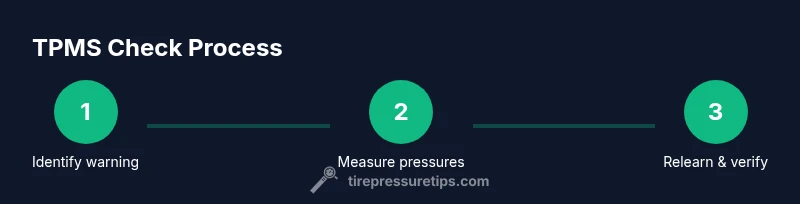
Treat TPMS checks like regular tire maintenance. Set aside time in a dry, cool environment, read the owner’s manual for any vehicle-specific relearn steps, and gather your tools before you start. A methodical approach minimizes surprises: start with warning lights, then confirm tire pressures, inspect sensors, and finally decide whether relearn or professional intervention is needed. The goal is to confirm reliable operation and accurate readings, not to force a quick fix.
Direct vs indirect TPMS: what to know
Direct TPMS uses individual wheel sensors that report pressure to the vehicle's ECU. Indirect TPMS doesn’t measure pressure directly; it infers it from wheel speed and ABS signals. Direct systems can warn you about low pressure in specific tires and may require sensor battery replacement, while indirect systems depend on vehicle programming and can be fooled by incorrect calibration. Understanding the type in your car helps you choose the right troubleshooting path and know when a sensor replacement or relearn is necessary.
Common TPMS warning lights and symbols
A TPMS warning can appear as a dedicated tire icon, a hollow exclamation mark, or a message on the dash. Some vehicles display a light when pressure falls below a threshold, while others indicate a fault in the TPMS itself. If the light stays on after adjusting pressures, there may be a sensor fault, a dead battery, or a relearn requirement. Always verify by checking each tire's cold pressure and using a TPMS scan tool to read sensor data. If you see the light intermittently, monitor tire pressures and schedule a check to prevent unexpected flats.
Preparing for the check: tools, safety, and plan
Before you begin, collect essential tools and read the vehicle manual for TPMS relearn steps. Safety first: work on a flat surface, apply wheel chocks, and avoid overinflation when inflating tires. Have a digital tire pressure gauge, an air compressor or inflator, and a TPMS-capable scan tool handy. Document tire pressures before and after adjustments, and note any unusual sensor behavior. A calm, organized approach reduces the risk of mistakes and makes the process efficient.
How to interpret TPMS readings and sensor status
Interpreting readings involves comparing current tire pressures (read by a gauge) with the vehicle’s recommended cold pressures from the owner’s manual or placard. If a tire reads significantly low, inspect for leaks or punctures. Sensor data from a TPMS scan tool can reveal sensor IDs, battery status, and transmission quality. If readings don’t align with actual pressures, the system may need relearn or calibration. Always cross-check with cold tire measurements for accuracy.
Troubleshooting common TPMS issues
Issues include a stale or missing sensor data, intermittent lights, or a constant warning despite proper pressures. Solutions vary: replace a dead sensor battery, correct a damaged valve stem, reprogram or relearn sensors, or perform a system reset per manufacturer steps. In some cases, a tire rotation can alter sensor positions and require relearning. When in doubt, consult the manual or a professional to prevent sensor damage.
Relearn and calibration: when and how
Relearn procedures vary by vehicle. Some cars require a scan tool to initiate the relearn, while others need sequence steps performed with ignition on, parking brake set, and tires driven for a short distance. Relearn is essential after tire replacement or sensor service. Follow the exact tempo from the manufacturer to ensure all sensors re-sync with the ECU and the warning light clears.
Safety, maintenance, and professional help
Regularly inspect sensors for corrosion, cracks, or damaged wiring; avoid kicking the tire during checks. If the TPMS light returns after a relearn, it may indicate a bad sensor or battery, a faulty receiver, or a mounting issue. In such cases, professional service ensures correct sensor replacement, proper relearning, and system calibration. Keeping notes on tire pressure history helps both you and your tech diagnose recurring problems.
Tools & Materials
- OBD-II TPMS scan tool(Must support TPMS data read and relearn function for your vehicle make/model)
- Digital tire pressure gauge(Read to 1 psi; use cold tires for accuracy)
- Tire inflator or air compressor(Capable of delivering precise adjustments to match spec)
- Owner's manual(Locate vehicle-specific TPMS relearn/calibration steps)
- Soap water spray bottle(Optional for checking slow leaks at valve stems)
- Wheel chocks(Blue or chalk blocks to prevent rolling when parked)
Steps
Estimated time: 45-60 minutes
- 1
Gather tools and review the manual
Collect the TPMS scan tool, digital gauge, inflator, and the vehicle manual. Confirm the correct cold tire pressures for your model. This prepares you to verify readings accurately and avoid overinflation.
Tip: Double-check the tire designation (front/rear) to ensure you measure the correct tire. - 2
Turn on ignition and inspect warning lights
Turn the ignition to the on position and observe any TPMS indicator lights. Note whether the light is steady, blinking, or off. This helps determine if the system is active or if there is a fault.
Tip: If the light is blinking, do not continue without diagnosing whether a sensor fault exists. - 3
Read current sensor data with the scan tool
Connect the TPMS scan tool to retrieve sensor IDs, battery status, and transmission quality. Record any sensor IDs that fail to respond, which can indicate dead batteries or damaged sensors.
Tip: Ensure your tool supports sensor relearn for your vehicle. - 4
Check tire pressures when tires are cold
Using the digital gauge, measure all tires when they are cold. Compare with the vehicle’s recommended cold pressures. Note any tires significantly below spec.
Tip: Take a baseline reading before driving; measurements can rise after a drive. - 5
Inspect tires and sensors for damage
Look for cracked sensor housing, corroded valve stems, or damaged wheel rims. External damage can cause sensor failure or inaccurate readings. Replace or repair as needed.
Tip: If you find a damaged stem, replace the sensor assembly to prevent leaks. - 6
Relearn or calibrate sensors if required
Follow the vehicle’s relearn procedure or use the scan tool to initiate relearning. This re-syncs the ECU with all wheel sensors for accurate readings.
Tip: Some vehicles require a drive cycle after relearn to finalize the process. - 7
Test drive and verify readings
Drive for 10-15 minutes to allow the system to update. Stop and recheck pressures to confirm the TPMS reflects correct data and that the warning light remains off.
Tip: If you still see a warning, recheck all four tires and revisit steps 3-6. - 8
Document results and plan maintenance
Record tire pressures, sensor IDs, and any relarn steps performed. Schedule a professional check if warnings persist or sensors show corrosion.
Tip: Keep a digital or handwritten log for future tire rotations and replacements.
Frequently Asked Questions
What does it mean when the TPMS light stays on after adjusting tire pressures?
A persistent TPMS light can indicate a faulty sensor, a dead sensor battery, or a failed relearn. Recheck all sensors with a scan tool and review the relearn procedure for your vehicle. If the light remains after steps, professional service may be required.
If the TPMS light stays on after you adjust pressures, it could mean a sensor issue or a needed relearn. Use a TPMS tool, verify all sensors, and consider professional service if the light doesn't reset.
Do I always need a scan tool to service TPMS?
A basic pressure check can be done with a gauge, but a scan tool helps read sensor data, identify faulty sensors, and perform relearns. For accurate, safe results, use a TPMS-capable scanner or have a technician handle relearn.
A rigid gauge can check pressure, but a TPMS scan tool makes sensors readable and relearning possible.
What is the difference between direct and indirect TPMS?
Direct TPMS uses wheel-mounted sensors to report real-time pressure. Indirect TPMS estimates pressure using ABS wheel-speed data. Direct sensors generally offer more precise readings, while indirect systems rely on software calibration and may be less straightforward to diagnose.
Direct TPMS has actual pressure sensors in the wheels; indirect TPMS estimates pressure from wheel-speed data.
How often should TPMS sensors be inspected?
Inspect TPMS sensors during routine tire maintenance, especially after tire changes or rotations. Look for corrosion, damaged stems, or battery signs in direct systems.
Check TPMS sensors during tire work, especially after rotations or replacements.
Can I relearn TPMS myself without tools?
Some vehicles allow manual relearn without a tool by following a sequence of actions with ignition and pedals, while others require a scan tool. Check the owner's manual for your model’s exact procedure.
It depends on the car—some require a tool, others don’t. Check the manual for your model.
What should I do if a tire has a slow leak and the TPMS keeps triggering?
Address the leak first with repair or tire replacement. After repair, recheck tire pressures and perform a relearn if required by your vehicle.
Fix the leak, recheck pressure, and relearn if your car needs it.
Watch Video
What to Remember
- Check TPMS regularly for accurate readings.
- Use a proper TPMS tool and cold tires for measurements.
- Relearn sensors after tire changes or repairs.
- Document readings to track changes over time.
- Seek professional help if warnings persist.