Service Tire Pressure System: Check, Maintain, and Troubleshoot
A practical guide to understanding and maintaining the service tire pressure system, including TPMS sensors, cold-inflation targets, relearning, and safe troubleshooting for safer, more efficient driving.


Learn how to inspect and maintain your service tire pressure system, including TPMS sensors, the tire pressure monitoring process, and practical steps to fix common issues. You’ll protect tire life, improve fuel efficiency, and stay safer on the road. This quick answer outlines the goal and the essentials in minutes.
What is the service tire pressure system?
The service tire pressure system refers to the network of sensors, electronics, and procedures that monitor a vehicle's tire pressures and relay warnings to the driver. In modern cars, direct TPMS uses sensors mounted inside each tire to measure pressure and temperature, while indirect TPMS estimates pressure by analyzing wheel speed and rotation patterns. The service tire pressure system is designed to maintain safe, efficient tire performance by triggering warnings when any tire falls below the manufacturer-recommended target. Proper understanding of this system helps drivers interpret warnings accurately and take timely action, reducing wear, improving fuel economy, and enhancing overall safety. According to Tire Pressure Tips, a well-maintained service tire pressure system is essential for dependable TPMS readings and predictable handling in varying weather and road conditions.
Why tire pressure matters for safety and efficiency
Maintaining correct tire pressure stabilizes contact with the road, improves steering response, and reduces uneven wear. The service tire pressure system is a key part of this process, ensuring you are alerted to underinflation before it becomes a safety risk. When tires are properly inflated, you maximize fuel efficiency, shorten braking distances on slick surfaces, and extend tire life. As temperatures fluctuate, the relationship between ambient temperature and tire pressure becomes more pronounced; the service tire pressure system helps you identify when adjustments are necessary to stay within target ranges.
How TPMS works and what to check
TPMS sensors continuously monitor tire pressure and relay data to the vehicle’s central computer. Direct TPMS uses sensors mounted in every tire, while indirect TPMS relies on wheel-speed data to infer low pressure. In both cases, the service tire pressure system must be calibrated to the vehicle’s posted targets. When a warning appears, confirm the reading using a reliable tire gauge, compare against the vehicle’s door-jamb sticker or owner manual, and consider external factors like temperature. The system’s reliability depends on sensor health, proper sealing at valve stems, and timely firmware updates when available.
Common problems and quick fixes
A frequent issue with the service tire pressure system is a false low-pressure warning after a cold start or temperature change. Other problems include a weak sensor battery, a leaky valve stem, or a sensor that has become detached during tire service. Check for visible damage, listen for air leaks around the valve stem, and verify that the wheel rim is clean and free of debris. If a warning persists after a simple check, the cause may be a faulty sensor or a need for relearn procedures. The goal is to restore accurate readings while avoiding overcorrection.
Practical maintenance routine for year-round reliability
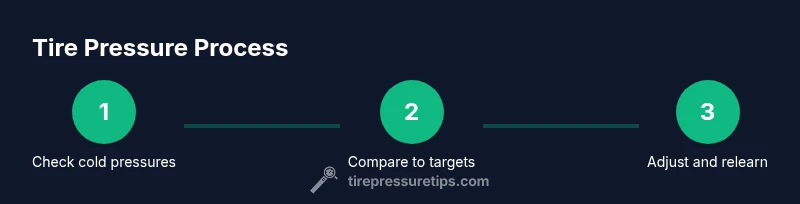
Create a simple schedule to check the service tire pressure system regularly. Start by verifying all four tire pressures when tires are cold and compare them with the vehicle’s recommended targets. Record measurements to track trends over time, especially after long trips or temperature swings. Keep the TPMS system updated with any manufacturer firmware or dealer advisories. Regular maintenance reduces the likelihood of unexpected warnings and ensures the system functions as intended.
Safety considerations and when to call a pro
If you notice persistent low readings after inflating to the target, or if the TPMS warning light stays on despite correct pressures, there could be a sensor fault or an electrical issue. Do not ignore persistent warnings; high-pressure risk from incorrect inflation can lead to tire failure. Seek professional service if you hear hissing sounds, observe tire bead leaks, or cannot relearn the system after a tire rotation or replacement. The service tire pressure system is critical to safety, and timely professional attention is advised when problems persist.
How to reset or relearn TPMS after airing tires
Relearning or resetting the TPMS is often required after adjusting tire pressures, rotating tires, or replacing sensors. Follow the vehicle-specific procedure found in the owner manual or stated by the dealer. In many cars, you’ll access a TPMS menu, select relearn, and drive at a steady speed to complete calibration. If the system does not recognize updated pressures after the relearn attempt, a professional diagnostic may be needed to verify sensor communication and battery health.
Authorities and further reading
For trusted guidance, consult sources such as federal and major transportation publications. You can review materials on tire safety, TPMS, and maintenance from authoritative outlets to supplement this guide. Links provide additional context on how the service tire pressure system impacts safety and efficiency across different vehicle designs.
Authorities and further reading (links)
- https://www.nhtsa.gov/road-safety/tires
- https://www.ntsb.gov
- https://nap.edu
Tools & Materials
- Digital tire pressure gauge(Ensure it can read a wide range of pressures and has recent calibration)
- Vehicle owner's manual or door-sticker PSI chart(Use cold-vehicle readings for accuracy)
- Notebook or digital device for logging readings(Record date, time, ambient temperature, and pressures)
- TPMS relearn tool or dealer software (optional)(Only if relearn is required by the vehicle manufacturer)
- Valve core tool and spare valve cores(Useful for resealing if you replace a valve stem)
- Tire soap solution or soapy water(Check for slow leaks around valve stems and bead area)
Steps
Estimated time: 40-60 minutes
- 1
Prepare your tools and vehicle
Gather the gauge, owner manual, and a log tool. Park on a flat surface with the engine off and the tires cold to ensure accurate measurements. This initial step prevents contamination of readings and ensures consistency.
Tip: Double-check you have a clean, dry measurement surface; dirt skews readings. - 2
Locate target pressures
Find the manufacturer’s recommended pressures on the door jamb sticker or in the owner manual. Note different targets for front and rear tires if applicable. Use these targets as your reference when inflating or deflating.
Tip: Always compare to the cold-reading target; warm tires read higher than intended. - 3
Measure current pressures
Use the tire pressure gauge on all four tires. Record each value and the ambient temperature, noting any discrepancies from target values. Identify tires that are underinflated or overinflated.
Tip: If a tire reads well below target, inspect for leaks or punctures before inflating. - 4
Inflate to target pressure
Add air gradually and recheck with the gauge as you reach the target. Avoid overinflation; if you overshoot, release air until you return to the recommended target.
Tip: Use a two-pass approach: inflate a little, recheck, adjust again if needed. - 5
Recheck all tires
After adjusting, recheck all four tires to confirm consistency. Ensure the front and rear targets align with manufacturer guidance. This confirms the service tire pressure system will read accurately.
Tip: Print or log the final readings to track future changes. - 6
Relearn or reset TPMS if necessary
If the TPMS warning persists after inflation, you may need to relearn or reset the system per your vehicle’s procedure. Use OEM guidance or dealer software as required.
Tip: Do not ignore persistent warnings; a failed relearn can mask real issues. - 7
Inspect for leaks
Check valve stems, tires, and rims for signs of slow leaks. If you find a leak, repair or replace accordingly before continuing to drive. Also verify bead seating if you replaced tires.
Tip: Soap-test the valve stems and bead area to identify leaks quickly. - 8
Document results and schedule follow-up
Record the final pressures, ambient conditions, and any TPMS warnings observed. Schedule regular checks, especially with seasonal temperature changes. Consistency is key to reliable readings.
Tip: Set reminders for quarterly checks or after major temperature shifts.
Frequently Asked Questions
What is the service tire pressure system?
The service tire pressure system includes sensors, electronic control, and procedures that monitor tire pressures and relay warnings to the driver. It helps prevent underinflation and improves safety and efficiency.
The service tire pressure system uses sensors and electronics to monitor tire pressure and alert you if a tire is underinflated.
How often should I check tire pressures?
Check pressures at least once a month and before long trips. Always use cold readings and compare with the vehicle's recommended targets.
Check your tire pressures monthly and before long trips, using cold readings for accuracy.
Why does TPMS show a warning when pressures are correct?
False warnings can result from sensor battery degradation, temperature changes, or a sensor not relearned after tire work. Verify with a gauge and, if needed, reset the system per the manual.
Sometimes TPMS warns even when pressures are correct due to sensor issues or temperature changes; verify with a gauge and reset if required.
Can I reset TPMS myself?
Many vehicles support a DIY relearn process, often via the vehicle’s menu. If the warning persists, a dealer or technician can diagnose sensor health and battery status.
Yes, many cars let you relearn TPMS yourself via the menu, but persistent warnings may need a technician.
What causes TPMS to malfunction?
Common causes include dead battery in a sensor, damaged valve stems, or corrosion in the sensor’s antenna. Regular maintenance reduces the risk of these problems.
TPMS malfunctions often come from dead batteries, damaged valves, or corrosion—regular checks help prevent this.
Is it safe to drive with a low tire?
Driving on a low tire can be unsafe and cause excessive heat and wear. Inflate to the target as soon as possible and check for leaks if the low reading repeats.
Driving on a low tire is risky; inflate to the target promptly and inspect for leaks if it repeats.
Watch Video
What to Remember
- Know your TPMS targets from the vehicle manual.
- Check pressures with cold tires for accuracy.
- Inflate to the recommended targets and recheck.
- Relearn TPMS after tire work or pressure changes.
- Document readings and schedule regular checks.