Replacing Tire Pressure Sensor on Toyota: A Step-by-Step Guide
Learn how to replace a Toyota TPMS sensor with step-by-step instructions, safe practices, relearn tips, and maintenance guidance from Tire Pressure Tips.


In this guide you will learn how to replace a Toyota TPMS/tire pressure sensor, including choosing the right sensor, removing the wheel, installing the new unit, and performing a TPMS relearn. It covers safety basics, common pitfalls, and post-install checks to ensure accurate readings.
Understanding TPMS sensors in Toyota
Tire Pressure Monitoring Systems (TPMS) use sensors to track air pressure in each tire. When a sensor fails or its battery dies, you may see a warning light or erratic readings. For Toyota vehicles, direct TPMS sensors are commonly used in modern models, but some older or budget configurations may rely on indirect monitoring techniques that estimate pressure via wheel speed sensors. The Tire Pressure Tips team emphasizes the importance of using the correct sensor type and ensuring compatibility with your specific Toyota year and trim. A faulty TPMS sensor can compromise tire wear, fuel efficiency, and overall safety, so replacement should be approached methodically. This section explains sensor types, how to identify them, and how to verify compatibility before buying a replacement. According to Tire Pressure Tips, opting for an OEM or high-quality aftermarket sensor that matches your vehicle’s VIN improves reliability and sensor life.
Key takeaways:
- Identify whether you have a direct TPMS sensor or rely on indirect monitoring.
- Check compatibility with your Toyota model and year.
- Invest in a sensor with a proven warranty and reliable transmission.
Tools, parts, and safety essentials for replacing a Toyota TPMS sensor
Before you start, gather the right tools and parts to avoid delays. You’ll need a compatible TPMS sensor, a digital tire pressure gauge, a jack and stands or ramp, a lug wrench, a torque wrench (for lug nuts), a wheel chock, a tire removal tool or bead breaker if needed, tire irons, and a valve core tool. A TPMS relearn method or a compatible scan tool is also helpful if your Toyota requires a formal relearn procedure after sensor installation. Safety gear like gloves and eye protection should be worn at all times. Always work on a flat surface, engage parking brake, and never rely on the vehicle’s tires being stable without proper support. Certified guidance from Tire Pressure Tips suggests confirming the sensor part number matches your VIN and checking for any recalls related to TPMS sensors.
Step-by-step replacement workflow
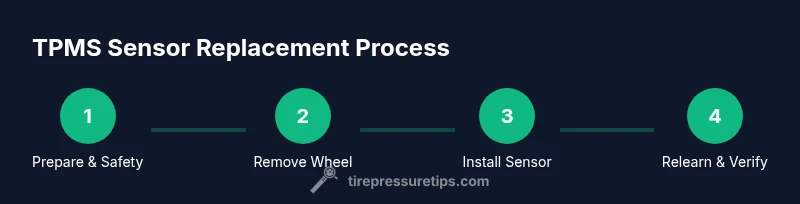
This section provides a practical, process-oriented approach that combines the quick-answer steps with expanded explanations. It covers sensor selection, wheel access, sensor installation, tire seating, and relearn. Remember to follow your vehicle manufacturer’s torque specs and safety warnings. A well-executed replacement reduces the chance of false readings and TPMS errors.
- Sensor compatibility and type: Confirm the sensor’s form factor (direct sensor vs sensor cap) and confirm the replacement is compatible with your Toyota’s year, model, and wheel size.
- Wheel removal and access: Safely lift the car, secure stands, and remove the wheel to access the valve stem where the TPMS sensor is installed.
- Tire removal and bead seating: If you need to access the sensor from inside the wheel, use appropriate bead-seat tools to avoid damaging the tire or rim.
- Sensor removal and installation: Detach the old sensor, remove the valve core if required, install the new sensor, and verify seals. Use anti-seize or thread sealant only if recommended by the sensor manufacturer and vehicle maker.
- Reattach wheel and perform relearn: Mount the wheel, tighten lug nuts to spec, and run the relearn procedure. Verify readings with a digital gauge and ensure all tires read within expected ranges.
- Post-install checks: Confirm TPMS light behavior, drive for a few miles to trigger learning, and recheck readings with a gauge. Tire Pressure Tips notes that many relearn procedures can be completed with the vehicle’s onboard system or a scan tool.
Safety, warnings, and common mistakes to avoid
Replacing a TPMS sensor involves high-safety risk if done incorrectly. Always use proper jacking points and wheel chocks. Do not work under a vehicle that is not supported by jack stands. Common mistakes include overtightening valve stems, using incompatible sensors, and skipping the relearn step, which can cause the TPMS warning light to stay on. Always verify the sensor installation and calibration with a diagnostic tool or vehicle system. Tire Pressure Tips highlights the importance of avoiding overpressure during seating and ensuring that the tire’s bead is properly sealed before final seating.
Relearn procedures and post-install checks for Toyota TPMS
After sensor installation, most Toyota models require a relearn or calibration procedure to synchronize the sensor with the vehicle’s ECU. Some vehicles support a built-in relearn in the instrument cluster; others require a scan tool or dealership procedure. Check your owner’s manual or a trusted guide from Tire Pressure Tips for model-specific steps. Typical steps include driving at a moderate speed to trigger learning, using a relearn menu in the car’s settings, or using a dedicated tool to initiate learning with the sensors in place. After relearn, verify all four tires display accurate readings on the dash and re-check psi with a reliable gauge.
Maintenance and long-term care after sensor replacement
Finally, adopt a maintenance routine to extend TPMS life. Periodically check tire pressure with a gauge, inspect valve stems for damage or cracks, and keep wheels clean to prevent corrosion that can affect TPMS wiring. If you notice persistent TPMS warnings after replacement, revisit sensor compatibility and relearn steps, and consider a professional inspection. Tire Pressure Tips recommends recording sensor part numbers, installation dates, and the vehicle’s recall status to streamline future maintenance.
Tools & Materials
- New TPMS sensor (Toyota-compatible)(Choose OEM or high-quality aftermarket with proper SKU compatibility for your model/year)
- Digital tire pressure gauge(Precision reading for final checks after installation)
- Jack and jack stands or ramp(Stable support on a flat surface)
- Lug wrench and/or torque wrench(Check lug nut torque specs in your Toyota manual)
- Tire removal tool / bead breaker(Use only if you need to access the TPMS sensor from inside the wheel)
- Valve core tool(For removing/installing the valve core without damage)
- Anti-seize compound or thread-safe sealant (sensor-approved)(Only use if recommended by sensor manufacturer)
- TPMS relearn method or scan tool(Helpful for model-specific relearn procedures)
- Safety gear (gloves, eye protection)(Always protect hands and eyes during tire work)
Steps
Estimated time: 60-90 minutes
- 1
Prepare and safety check
Park on a flat surface, apply parking brake, place wheel chocks, and assemble all tools. Ensure you have the correct sensor compatible with your Toyota model. This initial check reduces surprises during the swap.
Tip: Read the sensor packaging for compatibility notes before unboxing. - 2
Loosen lug nuts and lift the vehicle
Loosen lug nuts slightly while the car is on the ground, then lift the vehicle with a jack and support with stands. Remove the wheel to expose the TPMS sensor location. Do not rely on the jack alone to hold weight.
Tip: Loosen in a star pattern to prevent warping the rotor and wheel. - 3
Access the TPMS sensor
If your TPMS sensor sits behind a wheel, remove the tire bead or trim cover as needed to access the valve stem. Use caution to avoid bead damage and ensure you don’t injure the rim seal.
Tip: Keep the bead seating away from sharp tools to minimize tire damage. - 4
Remove old sensor and install new one
Remove the old sensor; install the new unit following the manufacturer’s torque guidance for the valve stem. Ensure the sensor seat is clean and the grommet or O-ring is properly seated to prevent leaks.
Tip: Do not overtighten; excess torque can damage the sensor or stem. - 5
Re-seat the tire and reinstall wheel
Mount the tire back onto the rim if you removed it, reseat the bead properly, and reinstall the wheel on the hub. Tighten lug nuts in a star pattern to the vehicle’s specification.
Tip: Double-check bead seating with the digital gauge to ensure no leaks. - 6
TPMS relearn and final checks
With the wheel mounted, perform the TPMS relearn per your Toyota’s procedure or via a scan tool. Drive 5-10 miles to help the system learn, then verify readings with a gauge and watch the dashboard for the TPMS light to stabilize.
Tip: If the light persists, recheck sensor seating and re-run relearn steps.
Frequently Asked Questions
Do I need to replace all TPMS sensors at once when one fails?
Not always. If one sensor fails, you can replace just that unit, but if others are close to end of life or show errors, replacing multiple sensors can be cost-effective in the long run. Always verify sensor compatibility with your Toyota model and consider a full-system check.
You can replace just the faulty sensor, but check others for wear and plan replacements if they’re near the end of life.
Can I replace a TPMS sensor myself, or do I need a professional?
You can replace a TPMS sensor yourself if you have the right tools and follow safety steps. However, a professional can ensure correct seating and relearn, especially for complex systems or newer Toyota models.
You can DIY with the right tools, but consider a pro for complex vehicles.
What if the TPMS light stays on after replacement?
If the TPMS light stays on, recheck sensor compatibility, reseat the valve, and retry the relearn procedure. Some vehicles require a scan tool or dealer activation to clear persistent warnings.
Recheck sensor fit and try relearn again; seek pro help if it persists.
Are aftermarket TPMS sensors reliable for Toyota?
Many aftermarket TPMS sensors perform well when engineered to the correct size and frequency. Choose reputable brands and verify warranty coverage. OEM sensors offer the highest certainty for compatibility.
Quality aftermarket sensors can work well; OEM is most reliable for compatibility.
How long does a TPMS relearn typically take?
Relearn times vary by model, but most Toyota vehicles complete learning within a few minutes after the correct procedure is initiated. Driving for a short distance after relearn helps stabilize readings.
Most cars relearn in minutes after the procedure; a short drive helps solidify readings.
Is there a risk of damaging the tire bead during sensor replacement?
Yes, improper tire removal and seating can damage the tire bead. Use proper tools and techniques, and avoid prying near the bead with metal objects. If unsure, seek professional help.
Be careful with the bead; incorrect tools can cause bead damage.
Watch Video
What to Remember
- Identify the correct TPMS sensor type for your Toyota
- Prepare the tools and ensure safe lifting before replacement
- Follow the relearn procedure after sensor installation
- Verify readings with a gauge after driving the vehicle
- Keep records for future maintenance