How to Change a Tire Pressure Sensor (TPMS): Step-by-Step Guide
Learn how to safely replace a tire pressure sensor (TPMS) and relearn your system. This practical guide covers when replacement is needed, required tools, a clear step-by-step process, safety tips, and post-replacement checks for accurate readings.


Goal: Learn how to safely replace a tire pressure sensor (TPMS) and re-learn the system so your TPMS light stays off. This guide covers when replacement is needed, the tools required, a step-by-step process, safety warnings, and post-replacement checks. By following these steps, you’ll restore accurate tire-pressure readings and maintain road-safety.
What is a TPMS sensor and why replace it?
A Tire Pressure Monitoring System (TPMS) sensor sits in or near each wheel to monitor tire pressure in real time. If a sensor or its associated battery fails, readings become unreliable and the TPMS warning light may illuminate. Replacing a faulty TPMS sensor restores accurate pressure data, supports better fuel efficiency, and helps prevent underinflation-related tire damage. In this section we’ll cover sensor types, how to identify a compatible unit, and the key considerations before you start. Remember, handling sensors requires care to protect the wheel and avoid damaging the tire bead. This guidance draws on Tire Pressure Tips’ practical expertise and aligns with common automotive best practices.
How TPMS sensors fail and what to watch for
Sensors can fail for several reasons: a weak battery, corrosion at the valve stem, physical damage from impacts, or wear from aging. Typical symptoms include a persistent warning light, fluctuating PSI readings, or an inability to relearn the system after replacing a tire or sensor. While some vehicles rely on indirect pressure monitoring, most modern cars use direct TPMS sensors in each wheel. If you notice any sensor-related warning, treat it as a safety issue and verify with a diagnostic scan when possible.
Tools and materials you’ll need
Before starting, gather essential tools and a sensor compatible with your vehicle. The replacement process typically requires a TPMS sensor, a valve-core tool, a torque wrench, wheel chocks, a jack and jack stands, a tire iron or impact wrench, a tire bead breaker (or professional tire equipment), TPMS relearn guidance for your vehicle, and safety gear such as gloves and eye protection. Using the right tools reduces risk and helps ensure a proper seal when the tire is remounted. See the Tools-Materials block for a complete list.
Safety first when working on tires
Tires and wheels carry sharp edges and high pinch points. Always work on a flat, stable surface, apply the parking brake, and chock the wheels opposite the one you’re lifting. Never work under a vehicle supported only by a jack; use stands. When disassembling wheels, wear eye protection and gloves, and keep track of small parts to avoid losing the sensor’s valve components. If you’re uncertain, seek professional assistance to avoid personal injury or wheel damage.
Locating the correct TPMS sensor and wheel
Identify which wheel requires sensor replacement by scanning for fault codes or visual inspection. Note the wheel position (front/rear, left/right) and type of valve stem. Sensor compatibility depends on the wheel and the vehicle’s year, make, and model. Many sensors are battery-powered and sealed, so replacement means installing a new unit with the correct stem size and sensing technology. Always confirm compatibility using the vehicle’s service manual or manufacturer guidance.
Replacing the sensor in the wheel assembly
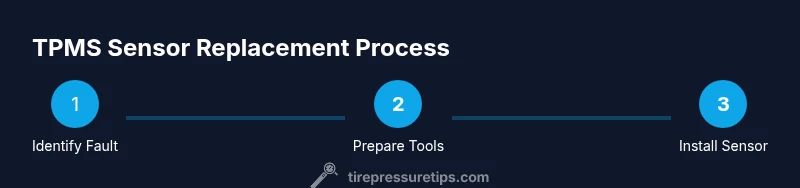
The replacement process generally involves removing the wheel, deflating the tire, breaking the bead, removing the old sensor, and installing the new unit in the valve stem. Ensure the sensor threads and sealing surfaces are clean. Use a torque-wrench to tighten the mounting nut to the specified torque and verify that the sensor seats correctly. After installation, reseat the tire bead and inflate to the recommended pressure, checking for leaks around the valve stem.
Relearn and calibrate TPMS
Many vehicles require a relearn procedure after sensor replacement. This can involve driving the car for a set distance or using a diagnostic tool to initiate the relearn. If your vehicle uses a dealer or aftermarket scan tool, follow the exact steps described by the manufacturer to teach the car new sensor IDs. Proper relearn ensures the TPMS monitors reflect the correct tire pressures and alerts operate as intended.
Verifying sensor readings and calibration
With the wheel reinstalled and the car lowered, check the TPMS readings using a scan tool or the vehicle’s on-board display. Compare the PSI values to the recommended pressures in your owner’s manual or door-jamb sticker. Take a short test drive of ten to fifteen minutes to confirm the readings stabilize and no warning lights reappear. If discrepancies persist, re-check the bead seal, sensor seating, and relearn status.
Common pitfalls and troubleshooting
Common mistakes include using an incorrect sensor type, over-tightening valve stems, or skipping the relearn process. If the TPMS light stays on or you see inconsistent readings, verify the battery in the new sensor, inspect for bead leaks, and consider rechecking the relearn steps. For indirect TPMS systems, ensure the wheel speed sensor data is not affected by hardware changes during replacement.
DIY vs professional service: balancing cost and risk
Replacing a TPMS sensor can be tackled at home for those with wheel-repair experience, but many drivers opt for a professional service to ensure proper sealing, correct relearn, and a risk-free tire assembly. A repair shop has the right tools to prevent bead damage and can confirm the system works with calibrated equipment. Weigh the time, effort, and safety considerations before deciding.
Maintenance tips to extend TPMS life
To extend the life of TPMS sensors, avoid unnecessary tire dismounts, check the wheels for damage frequently, and store replacement sensors in a safe place until needed. Keep a spare sensor or battery in your toolkit for emergencies, and perform periodic relearn checks after any tire rotation or replacement. Regularly inspecting valve stems minimizes leaks and helps maintain sensor accuracy.
Authority sources
- https://www.nhtsa.gov/road-safety/tires
- https://www.aaa.com/auto
- https://www.consumerreports.org/cars-tavings/tires-and-TPMS/
Tools & Materials
- Replacement TPMS sensor(Choose a sensor compatible with your wheel type and vehicle model; OEM or approved aftermarket options are recommended)
- Valve-core tool(For removing/replacing the valve core during sensor replacement)
- Torque wrench(To tighten sensor mounting and lug nuts to spec)
- Tire iron or impact wrench(To remove the wheel from the hub safely, depending on tool availability)
- Jack and jack stands(Stable support for lifting and working on the wheel)
- Tire bead breaker or access to professional equipment(Needed for bead removal in some TPMS sensor replacements)
- TPMS relearn tool or vehicle-specific procedure(Some cars require a scan tool or dealer procedure to relearn IDs)
- Safety gear (gloves, eye protection)(Protect hands and eyes during tire work)
- Owner’s manual or service guide(Helpful for model-specific torque specs and relearn steps)
Steps
Estimated time: 60-90 minutes
- 1
Gather tools and safety gear
Collect the TPMS sensor, valve-core tool, wheel chocks, jack, jack stands, torque wrench, bead breaker or tire machine, relearn tool, and safety gear. Verify sensor compatibility for your vehicle before starting. Having everything ready reduces delays and helps you work methodically.
Tip: Double-check sensor model compatibility against your vehicle’s VIN and wheel size. - 2
Park, chock, and lift the vehicle
Park on a flat surface, engage the parking brake, chock the opposite wheel, then lift the vehicle with a jack and secure it with jack stands. This provides a stable working environment and reduces the risk of the car shifting unexpectedly while you’re removing a wheel.
Tip: Never rely on a jack alone to hold up a vehicle; use stands for safety. - 3
Loosen lug nuts and remove the wheel
Loosen the lug nuts slightly while the wheel is still on the ground, then lift the vehicle and remove the wheel completely. Inspect the lug nuts and wheel studs for damage, and set the wheel aside where it won’t roll.
Tip: Keep track of lug nuts and note their location to ensure correct reassembly. - 4
Deflate and break the bead (if required)
Deflate the tire so the bead can be separated from the rim. Use the bead breaker or a professional tire machine to avoid damaging the rim or tire. Access the TPMS sensor at the valve stem and prepare for sensor removal.
Tip: Be mindful of potential bead seal damage; work slowly to minimize risk. - 5
Remove old sensor and install new one
Disconnect and remove the old TPMS sensor, then install the new unit in the correct valve stem. Clean mating surfaces, apply light anti-seize or lubricant if recommended, and hand-tighten before final torque to avoid cross-threading.
Tip: If the sensor requires replacement rings or gaskets, replace them with the correct parts to ensure a proper seal. - 6
Re-seat the tire bead and inflate
Re-seat the tire bead and inflate the tire to the vehicle’s recommended pressure. Check around the valve stem for leaks and ensure the tire bead sits evenly on the rim. Recheck the pressure after seating.
Tip: Use a tire inflator with a gauge to confirm exact pressure quickly. - 7
Reinstall the wheel and torque the lug nuts
Mount the wheel back onto the hub, then tighten the lug nuts in a crisscross pattern to the manufacturer’s torque specification. Lower the vehicle slowly and finish tightening on the ground if the tolerances require it.
Tip: Always follow the vehicle's torque sequence to prevent rotor or hub damage. - 8
Run the TPMS relearn procedure
Use your vehicle’s relearn procedure or a scan tool to teach the car the new sensor IDs. This step is essential for the TPMS to recognize the replacement sensor and display correct data on the dashboard.
Tip: Consult the vehicle owner’s manual for the exact relearn method, as procedures vary by model. - 9
Verify readings and complete a short drive
After relearn, drive for a short period to allow the system to stabilize and confirm that the TPMS shows the correct pressures. Re-scan with a tool if available to verify the sensor IDs and value accuracy.
Tip: If the light remains on after driving, recheck the bead seal, sensor seating, and relearn status.
Frequently Asked Questions
What is a TPMS sensor and what does it do?
A TPMS sensor monitors tire pressure in real time and sends data to the vehicle computer. It helps detect underinflation and triggers a warning when pressure is low. Replacing a failed sensor restores accurate readings and aligns the dashboard with the actual tire conditions.
A TPMS sensor tracks tire pressure and alerts you if it drops. Replacing a faulty sensor fixes incorrect readings and helps keep you safe on the road.
Can I replace a TPMS sensor myself?
Yes, with the right tools and basic tire-handling skills. The process involves removing a wheel, extracting the old sensor, installing a new unit, and relearning the system. If you’re unsure about wheel integrity or the relearn procedure, consider professional help.
Yes, you can do it yourself if you’re comfortable with tire work, but you may want a pro for the relearn step.
How do I know if my TPMS sensor is faulty?
Look for a persistent TPMS warning light, inconsistent tire readings, or failure to relearn after new tires. Diagnostic scans can confirm a sensor fault and help identify which wheel needs attention.
Watch for a constant warning light or readings that don’t add up; a diagnostic scan confirms sensor faults.
Is relearning required after sensor replacement?
Most vehicles require a relearn procedure to teach the car the new sensor IDs. Without relearn, the TPMS may not recognize the sensors or display accurate pressures.
Yes, you typically need to relearn the new sensor IDs for the system to work correctly.
How long does a TPMS sensor last?
Sensor life varies, but most direct TPMS sensors are designed to last several years. Battery wear and wheel exposure to corrosion can shorten life, so periodic checks are wise.
Sensors usually last a few years, but batteries and corrosion can shorten that; monitor performance.
What costs are involved in TPMS sensor replacement?
Costs vary by vehicle and sensor type; expect a range depending on OEM versus aftermarket sensors and labor if you have the work done. Always request a quote before proceeding.
Costs vary; talk to a shop for a clear quote and compare OEM versus aftermarket options.
Watch Video
What to Remember
- Identify sensor type and compatibility before purchase.
- Follow exact relearn steps to reset the system.
- Verify sensor data with a scan tool after a short drive.
- Use OEM or approved sensors for reliability.
- Check for leaks and bead seating during installation.