How to Change the Tire Pressure Sensor (TPMS)
Learn how to safely replace a TPMS sensor, choose the right sensor, perform the relearn, and verify readings for accurate tire pressure management.


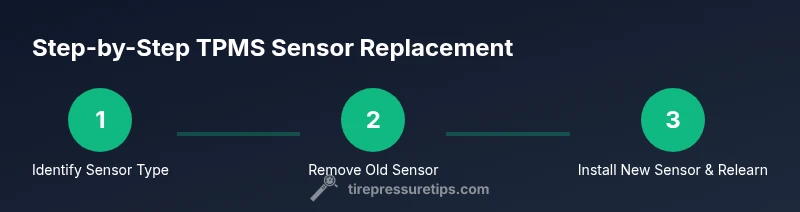
You can change a TPMS sensor by selecting the correct sensor type, removing the wheel, installing the new sensor, and performing a relearn procedure. The process requires the right parts, a relearn method, and careful torqueing. Consult your vehicle manual for model-specific steps, and ensure all safety precautions are followed.
Understanding TPMS sensors and why you might need to change one
TPMS sensors play a crucial role in maintaining safe tire pressures by warning you when a tire is underinflated. There are two primary types: direct TPMS sensors, which have a built-in sensor in the valve stem or wheel, and indirect TPMS systems, which infer pressure changes from ABS wheel-speed data. Replacing a sensor is often necessary when a direct sensor’s battery dies, the sensor is physically damaged, or tires are replaced and the old sensor is no longer readable. According to Tire Pressure Tips, understanding whether you have direct or indirect sensors helps you plan the replacement approach, required tools, and the relearn procedure. If you notice persistent false alarms, slow or inconsistent readings, or a warning light after tire service, a sensor replacement is likely needed. While indirect systems can sometimes be reset, most modern setups require a direct sensor replacement and a proper relearn to re-sync with the vehicle’s ECU. The end goal is reliable, accurate readings that prevent underinflation and improve road safety.
Direct vs indirect TPMS: what to know for replacement
Direct TPMS sensors are mounted at or inside the wheel and measure actual tire pressure with a tiny battery-powered sensor. Indirect TPMS uses ABS wheel-speed data to estimate pressure and often relies on software calibration rather than a physical sensor in every wheel. Replacement considerations include sensor compatibility with wheel type, vehicle make/model, and the relearn method your car requires. The Tire Pressure Tips analysis notes that-direct sensors require battery maintenance and periodic replacement, while indirect systems depend on the vehicle’s software and can be reset differently. Knowing which system your car uses helps you pick the right part and approach, avoiding misfires in readings after service.
Signs of a failing TPMS sensor and when to replace it
Common indicators that a TPMS sensor needs attention include a persistent tire pressure warning light, sudden drops in reported pressure, or readings that don’t align with a physical check. If you replace tires or wheels, or if you’ve driven through rough roads and the sensor has been damaged, replacement is often necessary. False warnings after rotations can also signal a worn sensor or weak battery in a direct TPMS unit. The goal is to restore accurate readings so you don’t over- or under-inflate a tire, which can compromise handling and fuel efficiency.
Sensor compatibility and choosing the right part
Choosing the right TPMS sensor means matching the sensor type to your wheel and vehicle, and ensuring the sensor’s frequency and valve stem design are compatible. Some sensors come with integrated temperature compensation, while others rely on external components. Always verify the sensor’s part number and compatibility with your wheel style, as incorrect sensors can lead to leaks or failed relearns. If in doubt, refer to the vehicle’s service manual or consult a professional for part matching.
Relearn and calibration basics
After installing a new TPMS sensor, the system must relearn to recognize the new unit. Relearn methods vary by make and model; some vehicles require a scan tool, while others use a specific sequence of pedal, dash, or wheel actions. In many cases you’ll drive for a short period after the relearn to allow the ECU to register the new sensor. Always follow the vehicle manufacturer’s instructions for language, sequence, and duration to ensure the sensor is correctly integrated.
Safety considerations and preparation
Before starting, park on a flat surface, apply the parking brake, and use wheel chocks. Wear safety gloves and eye protection, and never rely on a jack alone to support the vehicle; always use jack stands once the vehicle is raised. Ensure tires are not under pressure and are properly deflated only as required for removing the tire bead. If you are uncertain about sensor compatibility or the relearn procedure, seek professional assistance to prevent injury or sensor damage.
Common mistakes and troubleshooting during replacement
Frequent missteps include selecting an incompatible sensor, not properly seating the tire bead, or skipping the relearn step. Be careful not to overtighten the valve stem or damage the wheel when removing and reinstalling the tire. If the TPMS light stays on after replacement, double-check the relearn method and confirm that the sensor is correctly paired with the vehicle. Use a compliant scan tool to verify the sensor’s signal strength and data, and recheck after a short test drive.
What happens after you replace a TPMS sensor
After installation and relearn, the vehicle should display tire pressures accurately on the dashboard or via the infotainment system. Drive the car at normal speeds to confirm the system is reading correctly and to complete the relearn process, if required. If readings still don’t align with a manual pressure check, recheck installation details, sensor seating, and the relearn sequence. The aim is reliable, real-time pressure data that you can trust on daily commutes and long trips.
Tools & Materials
- New TPMS sensor (direct sensor)(Ensure compatibility with wheel and vehicle model; check the sensor's battery condition.)
- TPMS relearn tool or compatible scan tool(Needed to program the new sensor to the vehicle's ECU.)
- Torque wrench(For lug nuts and sensor mounting; use correct torque specs per vehicle.)
- Wheel removal tools (lug wrench or impact wrench)(To remove the wheel safely from the vehicle.)
- Jack and jack stands(Support the vehicle securely during wheel removal.)
- Safety gloves and eye protection(Personal protection during tire work.)
- Soap, water, or tire lubricant(Help bead seating; optional but handy for easier tire mount/dismount.)
Steps
Estimated time: 45-60 minutes
- 1
Identify sensor type and wheel position
Determine whether you have a direct TPMS sensor or an indirect system, and locate each wheel’s sensor position. This helps you plan the parts and the relearn method needed for your vehicle. Having a clear map of sensor locations reduces the risk of misidentifying wheels during reinstallation.
Tip: Take photos of sensor positions before disassembly for reference. - 2
Secure the vehicle and loosen lug nuts
Chock the wheels and loosen the lug nuts while the vehicle is still on the ground. Then lift the car with a jack and secure it with jack stands. This prevents the wheel from shifting when you remove it and ensures your safety during the work.
Tip: Never rely on the jack alone; use stands for stability. - 3
Remove wheel and access the old sensor
Remove the wheel from the hub and deflate the tire as needed to access the TPMS sensor. Disconnect the electrical connector and unscrew the sensor from the wheel. Keep the sensor and components organized to avoid misplacing parts.
Tip: Handle the sensor carefully to avoid damaging wiring. - 4
Install the new TPMS sensor
Thread the new sensor into the valve stem area, torque to the recommended specification, and reconnect the electrical harness. Ensure the sensor is seated properly and the valve stem is straight to prevent leaks.
Tip: Ensure the sensor is seated and the valve stem is straight. - 5
Re-seat the tire bead and mount the wheel
Mount the wheel back onto the hub, re-seat the tire bead evenly, and inflate to the recommended pressure before torquing lug nuts to spec. Check that the tire beads set evenly and there are no leaks around the bead area.
Tip: Check for bead leakage with soapy water around the bead. - 6
Perform relearn and verify readings
Use the vehicle’s relearn procedure or a compatible scan tool to program the new sensor, then drive the vehicle as required by the procedure to complete the relearn. Verify that tire pressures display accurately and match manual checks.
Tip: Refer to the owner’s manual for model-specific relearn steps.
Frequently Asked Questions
Do I need to replace all TPMS sensors at once?
Not always. Replace only the failing sensor unless multiple units show signs of failure or age. This keeps costs reasonable while preserving accuracy.
Usually you replace the failing sensor; replace others only if they are failing or near end of life.
Will I lose TPMS data if I replace a sensor?
Replacing a sensor requires relearning to re-link the new unit with the car’s ECU. Without relearn, the TPMS may not read properly.
You’ll need to relearn the sensor so the car can read it.
Can I change a TPMS sensor myself?
Yes, it’s possible if you have the right tools and follow the relearn procedure. If you’re unsure, a professional service ensures proper installation.
DIY is possible with proper tools and steps.
Do I need a special tool to relearn?
Many vehicles support relearn with built-in procedures and basic scan tools. Check your owner's manual or contact a dealer for model-specific steps.
Some cars don’t need special tools; check your manual.
What costs are involved for TPMS sensor replacement?
Costs vary by sensor type and labor. Expect sensor price plus potential labor; actual quotes vary by shop and vehicle.
Costs vary; consult local shops for quotes.
What’s the difference between direct and indirect TPMS?
Direct TPMS uses a physical sensor in the tire; indirect TPMS infers pressure from wheel speed data. Direct sensors typically require relearn after replacement.
Direct sensors are physical; indirect use wheel data.
Watch Video
What to Remember
- Choose the right TPMS sensor for your vehicle
- Perform a proper relearn after replacement
- Torque nuts and sensor correctly to spec
- Verify readings after completion
- Consult vehicle manual for model-specific steps