Porsche TPMS: Diagnose, Reset, and Maintain
A comprehensive, step-by-step guide to diagnosing, relearning, and maintaining Porsche TPMS systems. Learn sensor types, common faults, model-specific relearn procedures, and safety tips to keep tires properly pressurized.


To handle Porsche TPMS, learn how to read sensor warnings, verify tire pressures, and relearn sensors after service. This guide walks you through checks, relearn procedures, and safe maintenance so your TPMS stays accurate and reliable for Porsche drivers. You’ll understand common faults, when to replace batteries, and how to avoid false alerts during daily driving.
Understanding Porsche TPMS and Why It Matters
Porsche TPMS is designed to alert you when tire pressure falls outside the recommended range. For drivers, this system helps prevent under-inflation, improve safety, and protect tire wear. According to Tire Pressure Tips, accurate TPMS operation depends on healthy sensors, proper battery levels, and regular tire-pressure checks. The Tire Pressure Tips team found that many TPMS faults originate from battery drain or sensor corrosion rather than a defective module, so proactive maintenance matters.
In many Porsche models, the system is tightly integrated with the vehicle's ABS and stability control electronics, which means a TPMS warning can also reflect issues in the wheel modules or in the communication network. Understanding how the sensors function, what triggers a warning, and how to relearn after maintenance is essential for keeping your tires at the correct pressure. Regular checks not only improve fuel efficiency and handling but also extend tire life and reduce the risk of a blowout. This article walks you through sensor types, common faults, relearn steps, and maintenance best practices for Porsche TPMS.
TPMS Sensor Types Common in Porsche Vehicles
Most Porsche cars use a direct TPMS in each wheel, where a tiny sensor sits inside the tire and sends pressure data to the car's central computer. Some older models or certain configurations may rely on an indirect TPMS, which estimates pressure by analyzing wheel rotation. Direct sensors provide precise readings and can help pinpoint a slow leak, but they require battery power and can be damaged by corrosion or valve issues. Indirect systems avoid battery constraints but depend on wheel speed sensors and ABS data, making them less specific. In either case, sensor placement is at the valve stem on each wheel, with four sensors typically installed on a four-wheel setup. If a sensor battery fails, the system may show a warning even when the tire is properly inflated. Regular inspection of valves, rims, and sensor seals helps prevent false alarms.
Diagnosing TPMS Faults: Common Scenarios and How to Test
TPMS faults arise from several common causes. A dead sensor battery is a frequent culprit; corrosion at the sensor stem, damaged valve cores, or improper wheel installation can also trigger warnings. Start by verifying actual tire pressures with a trusted gauge when the light is on. If pressures are within spec, inspect the wheel area for corrosion and check for damaged valve stems or leaks using soapy water. If the issue persists, scan the vehicle with a TPMS-capable tool to read fault codes and confirm which sensor or module is at fault. Note that some Porsche models require a relearn after changing tires or rotating wheels; until relearn completes, the warning may stay on. If the light stays on after a relearn, the sensor may be failing legitimately and needs replacement.
Step-by-Step Relearn Overview for Porsche TPMS
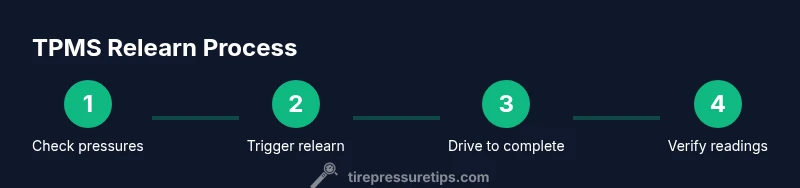
Relearning TPMS in Porsche vehicles can vary by model year and options, so always consult the owner's manual. A typical relearn sequence involves confirming all four tires are at the recommended pressures, using an OBD or specific TPMS tool to initiate the relearn, and then driving the car for a short route to allow sensors to register. Some models support relearn through the car's infotainment menu by selecting Tire Pressure Monitor or TPMS Learn and following on-screen prompts. Expect a 10–20 minute process from start to finish, with an initial diagnostic check, the relearn command, and a post-drive verification. If the car fails to relearn after several attempts, contact a dealer or a Porsche-certified workshop for assistance.
Maintenance and Safety Considerations
Keeping Porsche TPMS in good condition starts with proper tire maintenance. Check pressures when tires are cold and use a calibrated gauge for accuracy. Replace batteries in direct TPMS sensors only when you have reliable evidence of depletion, as failed batteries can cause false alerts. Inspect wheels for corrosion on sensor stems and ensure valve caps are present and undamaged. When performing tire rotation or service, ensure technicians relearn sensors or confirm a successful relearn, since an incomplete relearn can trigger warning lights. Also remember that TPMS is a safety feature; it complements but does not replace direct, manual tire pressure checks.
What to Do If You Test and TPMS Remains Faulty
If you verify tire pressures and the TPMS warning persists, begin with a thorough sensor inspection or battery test. Replace any faulty sensors or corroded stems, and ensure the wheel sensors are correctly seated. After replacements, perform a relearn following the car's procedure. If you still have issues, it may be necessary to involve a Porsche-trained technician who can diagnose the system’s communications network and module health. In the meantime, drive cautiously with attention to tire condition and pressure.
Porsche-Specific Considerations: Model Variations
Porsche models vary in how they implement TPMS and relearn routines. Entry-level sports cars may use different sensor types and battery life expectations compared with SUVs like the Macan or Cayenne. Some models require dealer-level tools or software to complete a relearn, while others allow owner-initiated relearns through the infotainment system. Always check the Porsche owner's manual for the exact relearn procedure for your year and model. Remember that temperature changes, heavier loads, and frequent high-speed driving can alter tire pressures, so seasonal checks are important. By understanding model-specific variations, you can plan maintenance and avoid misinterpretations of warning lights.
Tools & Materials
- OBD-II TPMS-compatible scanner(Supports Porsche relearn commands and sensor readouts)
- Tire pressure gauge (digital preferred)(Calibrated to measure in psi, bar, or kPa)
- Air compressor with pressure gauge(To bring tires to exact recommended pressures)
- Service manual or OEM Porsche relearn guide(Model-year specific instructions)
- Soapy water spray and brush(For locating leaks around TPMS sensors and valve stems)
Steps
Estimated time: 45-60 minutes
- 1
Prepare and verify warnings
Turn on the car, observe the TPMS warning, and verify actual tire pressures with a calibrated gauge. This baseline helps determine if the warning is real or a sensor fault.
Tip: Always check all four tires when they are cold for an accurate baseline. - 2
Inspect tires and sensors
Visually inspect valve stems, rims, and sensor housings for damage or corrosion. If you detect leaks, test with soapy water to confirm.
Tip: Look for cracked stems or corroded sensor contacts during inspection. - 3
Read TPMS fault codes
Use a TPMS-capable scanner to read fault codes, identify faulty sensors, and note the sensor IDs for later reference.
Tip: Record IDs for future replacements and documentation. - 4
Trigger relearn
Initiate relearn via the scanner or car menu per model year; confirm that the car recognizes sensors.
Tip: Ensure all tires are within a few psi of target during relearn. - 5
Drive to complete relearn and verify
Drive for about 10–15 minutes at varied speeds to allow sensors to register, then recheck pressures.
Tip: Check after driving that all four readings match the target pressure within ±2 psi. - 6
If issues persist
If TPMS remains faulty, replace failed sensors and re-learn; consult a Porsche-certified technician if needed.
Tip: Do not drive long with an unresolved TPMS warning.
Frequently Asked Questions
What is Porsche TPMS and how does it work?
Porsche TPMS consists of sensors in each wheel that monitor tire pressure and communicate with the vehicle's computer. When pressure deviates from the target, a warning lights up on the dash. Direct TPMS uses wheel sensors, while indirect TPMS estimates pressure through tire rotation data. Either way, regular maintenance helps ensure accuracy.
Porsche TPMS uses wheel sensors to monitor tire pressure and warn you if it’s too low or too high. There are direct and indirect versions, and regular maintenance helps keep it accurate.
How do I relearn Porsche TPMS?
Relearn methods vary by model year. Typically, you confirm pressures are in range, use a TPMS tool or the car menu to start relearn, and then drive at moderate speeds for 10–20 minutes to complete the process. Always check the owner's manual for model-specific steps.
Check pressures, start relearn with your tool or the car menu, then drive for 10 to 20 minutes to finish relearning the sensors.
Why is the TPMS light on after inflating tires to spec?
Possible causes include a faulty sensor battery, a damaged valve stem, a slow tire leak, or an incomplete relearn. It can also reflect a sensor that wasn’t properly seated after wheel work. Recheck pressures and reattempt relearn if needed.
If the light stays on after inflation, it could be a faulty battery or sensor, a leak, or an incomplete relearn. Try rechecking and relearning.
Can I reset TPMS without a dealer?
Yes. Many Porsche models allow owner-initiated relearns using a compatible scanner or via the infotainment system. Some later models also support dealer-only resets. Always consult the manual for model-specific steps.
You can usually relearn TPMS yourself with a compatible tool or the car’s menu, but some models require a dealer. Check the manual.
How long do TPMS sensors last?
Direct TPMS sensors are designed to last several years, but battery life can be a limiting factor. If a sensor is older or shows frequent faults, replacement is often the best path.
Sensors typically last several years, but batteries wear out. If faults persist, replacement is common.
What should I do if a TPMS sensor is damaged?
Replace the damaged sensor and perform a relearn. Ensure the new sensor is correctly paired and seated. If you’re unsure, seek a Porsche-certified technician for proper installation.
If a sensor is damaged, replace it and relearn. If unsure, have a Porsche-certified tech handle it.
Watch Video
What to Remember
- Verify real tire pressures before addressing TPMS warnings
- Use a TPMS-capable scanner to read fault codes
- Perform a full relearn after tire changes or sensor replacement
- Inspect sensor batteries and valve stems for corrosion
- Follow model-specific relearn steps from the Porsche manual