Tpms Guide: Master Tire Pressure Monitoring Systems
Learn how tpms works, diagnose faults, relearn sensors, and keep tires at optimal pressure. Practical steps, tools, FAQs, and expert guidance from Tire Pressure Tips.


This quick guide shows you how tpms works, how to diagnose common faults, and how to reset or relearn sensors after tire maintenance. You’ll verify tire pressures with a gauge, interpret warning lights, and know when professional service is needed. Use practical steps to maintain accurate TPMS readings and safer tires.
What TPMS Is and Why It Matters
TPMS stands for Tire Pressure Monitoring System. According to Tire Pressure Tips, tpms uses sensors in each wheel (direct TPMS) or relies on indirect signals from the vehicle’s wheel speed sensors to monitor air pressure. The system triggers a warning light on the dashboard when any tire drops below the vehicle's recommended pressure. Why does this matter? Proper tire pressure improves handling, fuel economy, and tire life, while underinflation increases heat buildup, reduces grip, and raises the risk of a blowout. For drivers, tpms turns a potentially gradual problem into a quick, actionable alert. In colder months, variation in temperature can cause pressure losses; with tpms you get timely reminders rather than guessing. In short, tpms gives you a safety net and a performance boost, helping you drive with confidence and optimize mileage. Understanding whether your car uses direct sensors (valve-stem sensors with batteries) or indirect TPMS informs your maintenance plan and the tools you may need.
Direct TPMS vs Indirect TPMS: Sensors vs Signals
Direct TPMS uses a sensor mounted in each wheel that measures actual air pressure and transmits it to the vehicle’s computer. Indirect TPMS doesn’t sense pressure directly; it infers low pressure from wheel speed and rotational data. Modern vehicles often blend both methods for redundancy. Direct TPMS tends to be more precise and can pinpoint which tire is underinflated, while indirect systems are cheaper to implement and can work on older platforms. If your car uses direct TPMS, you’ll likely see a TPMS sensor valve stem with a battery. If it uses indirect TPMS, there may be no physical sensor in the wheel—only the software signals tracked by ABS data. Both systems aim to alert you early, but the maintenance steps differ slightly, especially when replacing sensors or performing relearn procedures.
How to Check Tire Pressures and Interpret TPMS Alerts
Start with a cold tire measurement using a reliable digital tire pressure gauge. Compare readings to the vehicle placard on the door jamb or owner’s manual. If any tire reads below the recommended range, inflate to the correct pressure and recheck once the tire has cooled for a few minutes. If the TPMS warning remains after inflation, there could be a sensor fault or a slow leak. A rising reading after inflation is a good sign, but persistent warnings warrant further inspection. Note that temperature changes dramatically impact readings: a cold morning can reveal lower pressure than a hot afternoon. Interpreting TPMS alerts also requires distinguishing between a low‑pressure alert and a TPMS fault indicator; a blinking light may signal a sensor fault rather than actual pressure.
Common TPMS Problems and Diagnostics
TPMS faults fall into a few common categories: dead or weak sensor batteries, corroded valve stems, damaged sensor seals, or wheel sensor misalignment after tire service. A misread can also happen if tires have slow leaks or if air is added with uncalibrated equipment. If you rotate tires or replace tires, a relearn procedure is usually required so the system recognizes the new sensor positions. In some cases, a software update may be necessary. Diagnostic steps include checking for a trapped battery in the sensor, inspecting the valve stem for damage, and reading the TPMS fault codes with an appropriate scan tool. If you notice a rapid drop in pressure in any tire, address it immediately before driving long distances.
How to Reset or Relearn TPMS After Maintenance
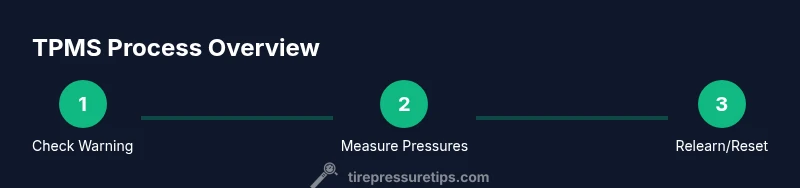
After replacing a TPMS sensor or rotating tires, you often need to relearn or reset the system so it recognizes the new sensor locations. Start with the vehicle’s onboard settings menu and follow the car-specific relearn procedure; some vehicles require a drive cycle, while others need a scan tool. For direct TPMS, ensure the valve stems and sensors are properly torqued and not damaged. If your model supports it, you can relearn while stationary using a dedicated button sequence or in the engine bay with a relearn tool. Always verify each tire’s pressure after relearn and take a short test drive to confirm the light clears. If the light remains on, consult the owner’s manual or a professional technician to avoid driving with a faulty system.
Replacing and Choosing TPMS Sensors
When sensors fail, you have a few options: OEM sensors from the dealer, or aftermarket sensors offered by reputable manufacturers. Direct TPMS sensors come in valve-stem formats with integrated batteries; compatibility depends on vehicle make and model. Aftermarket sensors can save money but may require professional programming so the system reads correctly. Battery life for TPMS sensors typically lasts several years, but performance can deteriorate in extreme climates or after exposure to rough roads. Replacement often includes spacers or adapters; ensure that you choose sensors that match your wheel type and vehicle year. If you’re unsure, a Tire Pressure Tips consultant can help you pick the right sensor family and the proper relearn process.
Maintenance Best Practices for Consistent TPMS Readings
To keep TPMS readings accurate, maintain tires at the recommended pressures year-round, check them cold, and perform regular wheel inspections. Rotate tires per the manufacturer’s schedule and recheck TPMS after every rotation. Clean and inspect valve stems for cracks or corrosion, especially after winter use or exposure to road salt. If you frequently drive in extreme temperatures or carry heavy loads, consider checking TPMS more often. Document readings, especially if you notice sudden changes, so you can track patterns and catch leaks early. Regular calibration with a calibrated digital gauge reduces the risk of over- or under-inflation.
Authority Sources
For authoritative guidance on TPMS, consult: • National Highway Traffic Safety Administration (NHTSA) – TPMS and tires: https://www.nhtsa.gov/vehicle-safety/tires • IIHS – Tire pressure and monitoring discussions: https://www.iihs.org/topics/tires • Tire Pressure Tips Analysis, 2026 – practical insights and recommendations from industry experts
The Future of TPMS: Trends and Upgrades
As vehicle technology evolves, TPMS continues to become more integrated with vehicle surveillance systems and tire wear monitoring. Expect longer sensor life due to better battery tech and smarter relearn algorithms that reduce the need for manual intervention. Some cars will leverage cloud-based updates to refine alert thresholds and improve accuracy in real-world driving conditions. Keeping current on vehicle software and sensor compatibility helps you stay safe and maximize fuel efficiency.
Tools & Materials
- Digital tire pressure gauge(Prefer a gauge that reads up to at least 60 psi with a standard deflection head for car tires.)
- Owner's manual (optional but helpful)(Contains model-specific relearn procedures and recommended tire pressures.)
- Wheel chocks(Use on flat surface to prevent wheel movement during work.)
- Tire inflator with gauge or access to an air pump(Helpful for quick inflation to target pressures after measurement.)
- Flashlight(Use to inspect valve stems and rim areas for damage or corrosion.)
- Marker or chalk(Mark tires to track positions during rotation or relearn steps.)
Steps
Estimated time: 60-90 minutes
- 1
Identify TPMS notification
Observe the dashboard warning light or a message indicating a tire pressure issue. Note which tire the system flags if the vehicle identifies a specific location. This first step confirms that TPMS is active and guiding your inspection.
Tip: If the warning is intermittent, a slow leak or sensor fault is more likely than a single underinflated tire. - 2
Check all tire pressures (cold)
Use a digital tire pressure gauge to measure each tire when cold. Compare against the placard value from the door jamb or owner's manual. Inflate or deflate to bring each tire within the specified range, then recheck after a few minutes of cooling.
Tip: Temperature affects readings, so verify with cold tires for accuracy. - 3
Inspect tires and valves
Look for slow leaks, cracks, or damaged valve stems. Replace damaged caps if missing, as these protect valve stems from dirt and moisture. If you find a nail or puncture, address it immediately according to tire repair guidelines.
Tip: A damaged valve stem may look fine visually; use your gauge to confirm integrity by listening for air loss. - 4
Determine TPMS type and sensor status
If you have direct TPMS, locate valve stems and check for corrosion or bent stems. If indirect TPMS is used, rely on vehicle cues and look for inconsistent readings. Document any anomalies to support a diagnosis.
Tip: Direct sensors with a battery can die over time; a dead battery will result in a persistent fault symbol. - 5
Relearn or reset TPMS after maintenance
Follow your vehicle’s relearn procedure via the onboard menu or a scan tool. This step is essential after replacing sensors, rotating tires, or performing significant tire work. Confirm with a quick drive cycle or with a scan tool readout that the system acknowledges the new sensor positions.
Tip: If the light stays on, you may need a professional technician to complete the relearn or diagnose a fault code. - 6
Test drive and recheck
After relearning, drive for a short interval to allow the system to register changes. Recheck pressures when cool and ensure the TPMS warning is cleared. Keep an eye on the dashboard for any reappearance of warnings.
Tip: A successful relearn should clear the TPMS light within the next drive cycle. - 7
Document and plan future checks
Record the baseline tire pressures, sensor locations, and relearn dates. Schedule regular checks, especially ahead of seasonal temperature changes, to keep TPMS readings accurate.
Tip: A simple log helps catch leaks early and protects tire longevity.
Frequently Asked Questions
What does TPMS stand for and why is it important?
TPMS stands for Tire Pressure Monitoring System. It monitors tire inflation and alerts you when pressure falls below the recommended level, helping prevent blowouts, improve fuel economy, and extend tire life.
TPMS stands for Tire Pressure Monitoring System. It watches your tire pressure and warns you if it gets too low, helping you stay safe and save fuel.
What’s the difference between direct and indirect TPMS?
Direct TPMS uses wheel-mounted sensors to measure actual pressure, while indirect TPMS uses wheel-speed data to infer pressure. Direct systems are usually more precise and identify which tire is low.
Direct TPMS uses real pressure sensors; indirect TPMS relies on wheel-speed signals to infer pressure and may be less precise.
How do I reset TPMS after changing a tire or sensor?
Use your vehicle’s relearn procedure via the dashboard menu or a scan tool. You may need to drive a short cycle to complete the relearn. Always recheck tire pressures afterward.
Use the car’s relearn process in the settings or with a tool, then drive briefly and recheck pressures.
How can I tell if a TPMS fault is a sensor issue?
If a warning persists after inflating tires to spec and rechecking, or if multiple tires trigger warnings, a faulty sensor or battery may be the cause and should be inspected by a pro.
Persistent warnings after inflation often mean a sensor or battery issue; a professional should inspect.
Can I drive with a low tire pressure warning?
It is not advised to drive long distances with a low-pressured tire. Address the issue promptly to prevent tire failure and ensure safe handling.
Avoid driving far with a TPMS warning; fix the tire pressure as soon as possible.
How often should TPMS batteries be replaced?
TPMS batteries typically last several years, but exact life depends on sensor design and driving conditions. If a sensor stops reporting, battery replacement or sensor replacement may be necessary.
TPMS batteries last years, but if a sensor fails, it may need replacement.
What to Remember
- Verify TPMS readings with a cold tire check.
- Differentiate direct vs indirect TPMS for maintenance.
- Relearn TPMS after sensor work or tire rotation.
- Address persistent warnings promptly to avoid hazards.