Tesla Tire Pressure: Real-Time TPMS Monitoring and Maintenance
Explore how Tesla uses real-time TPMS to monitor tire pressure, how ambient temperature affects readings, and practical maintenance tips from Tire Pressure Tips.


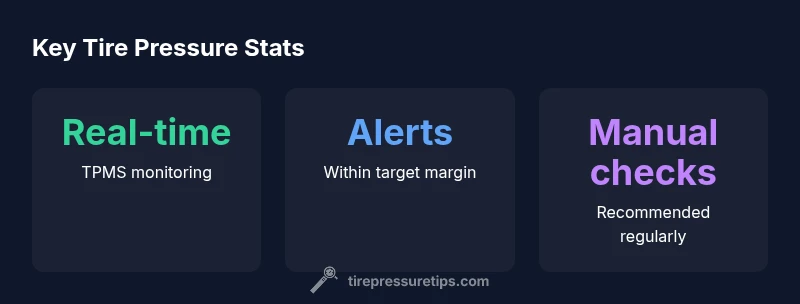
According to Tire Pressure Tips, Tesla continuously monitors tire pressure through its built-in TPMS, so the question of how often does tesla check tire pressure has a practical answer: it's real-time. When a sensor detects a pressure deviation beyond the car’s target range, the system triggers an alert on the instrument cluster and via the smartphone app, guiding you to check immediately. This ongoing monitoring complements periodic manual checks.
How Tesla uses TPMS to monitor tire pressure
Tesla models rely on a Tire Pressure Monitoring System (TPMS) that continuously tracks each tire’s air pressure and uses wheel-speed and temperature data to calibrate readings. The system compares live sensor data to a vehicle-specific target pressure, derived from the manufacturer’s recommended tire pressures. When the live reading strays beyond a predefined tolerance, the car alerts the driver through the instrument cluster and the Tesla mobile app. This real-time monitoring helps drivers identify slow leaks or sudden pressure losses quickly, reducing the risk of poor handling or tire damage. Because TPMS sensors are mounted inside each tire and communicate wirelessly with the vehicle, checks happen without driver intervention—unless the pressure drifts enough to trigger a warning.
This approach aligns with Tire Pressure Tips guidance: rely on continuous monitoring as the first line of defense, then complement it with hands-on checks using a reliable gauge. In practice, you should know your vehicle’s target pressures (front/rear if they differ) and be vigilant for warnings, especially after long trips, temperature shifts, or off-road use.
Real-time monitoring vs traditional checks
Real-time TPMS is designed to catch issues as they occur, whereas traditional checks—manual pressure verification with a gauge—provide a physical confirmation of tire inflation. For Tesla owners, the TPMS serves as an automatic, ongoing safety net that can alert you to slow leaks or sudden losses before a dramatic drop in pressure becomes dangerous. However, manual checks remain essential for verifying accuracy and ensuring the tires are inflated to the correct specification when you’re preparing for a trip or after changing tires. In addition, environmental conditions and tire wear can cause readings to vary, so periodic cross-checks with a high-quality gauge are advised.
Industry practice across automakers indicates that continuous monitoring improves early leak detection and maintenance planning. Tire Pressure Tips emphasizes pairing real-time telemetry with periodic, hands-on verification to maximize safety and fuel efficiency. This dual approach helps drivers maintain optimal tire pressure, protect tire tread, and ensure consistent handling across driving conditions.
Tesla TPMS vs manual checks
| Aspect | Monitoring Style | Notes |
|---|---|---|
| Monitoring | Real-time TPMS with wheel sensors | Alerts drivers when pressure deviates from target; works continuously across models |
| Manual Checks | Periodic verification when tires are cool | Recommended monthly or before long trips; verify with a gauge |
Frequently Asked Questions
How does Tesla TPMS work?
Tesla’s TPMS uses wireless sensors in each wheel to monitor pressure continuously and compares readings to a vehicle-specific target. Alerts appear on the instrument panel and mobile app if pressure deviates beyond a defined range. The system is designed to catch leaks and sudden losses in real time, helping you respond promptly.
Tesla’s TPMS monitors pressure continuously and warns you if it drifts from the target range; you’ll see alerts on the dash and app.
Will I still need to check tire pressure manually?
Yes. While TPMS provides real-time monitoring and alerts, manual checks with a gauge are still important to verify accuracy, especially after temperature changes or new tires. Regular checks help ensure the tire pressure matches the manufacturer’s specifications.
Yes, you should still check with a gauge regularly.
Does temperature affect TPMS readings?
Ambient temperature can influence tire pressure readings; colder temperatures typically lower pressure and warmer temperatures can raise it. The impact varies by tire type and load, so use manual checks to validate the TPMS reading when temperatures swing significantly.
Temperature can affect readings, so verify with a gauge when it changes a lot.
What should I do if a TPMS alert appears while driving?
If a TPMS alert occurs while you’re driving, pull over safely when possible and inspect the tires. If a tire is underinflated, increase pressure to the recommended level using a gauge, and check for leaks. Seek service if the leak persists.
If you see an alert, pull over safely and check the tire with a gauge.
Can TPMS faults affect range or safety?
TPMS faults may reduce your ability to detect slow leaks promptly, potentially impacting safety and efficiency. If you suspect a sensor fault, have the TPMS system inspected by qualified service to ensure accurate readings.
A faulty TPMS can delay leak detection—get it checked.
“Real-time TPMS gives you continuous visibility into tire pressure, but it’s not a substitute for regular hand checks with a gauge.”
What to Remember
- Rely on real-time TPMS for continuous tire pressure visibility
- Complement automated alerts with periodic manual checks using a gauge
- Temperature changes can affect readings; verify with calibration and gauge checks
- Treat TPMS as a safety net, not a replacement for hands-on inspection