Tesla Tire Pressure Gauge: A Practical Guide
Learn how to choose and use a tesla tire pressure gauge, interpret TPMS readings, and maintain optimal tire pressure for safety, fuel efficiency, and tire longevity.


Want accurate tire readings for your Tesla? A dedicated tire pressure gauge makes it easy to verify TPMS readings and keep tires at the proper pressure. This guide shows how to choose a Tesla-friendly gauge, how to read measurements, and how to maintain your tires for safety, efficiency, and longevity.
Why a Tesla Tire Pressure Gauge Matters
For Tesla owners, accurate tire pressure matters more than ever because of low-profile tires, performance handling, and the sensitivity of TPMS sensors. According to Tire Pressure Tips, relying solely on the TPMS warning can be risky—the system is designed to alert you after a pressure drop, not to calibrate daily inflation. A dedicated tire pressure gauge lets you verify the actual pressure in each tire and catch slow leaks before they become flats or energy inefficiencies. When you measure cold tires, the reading becomes a reliable baseline, since driving heats up air and inflates readings. With a gauge in your trunk or glove compartment, you can check pressures before long trips and after rapid temperature swings. For Teslas, maintaining the recommended pressure helps preserve tire wear, optimize regenerative braking efficiency, and ensure consistent handling on curves and highways. Digital gauges offer quick readings and a visual trend, while analog dials can be easier to read in bright sun. The key is consistency: check, compare to the placard, and adjust as needed, then recheck to confirm the change took hold.
Choosing the Right Tesla Tire Pressure Gauge
Selecting a gauge that suits a Tesla means prioritizing accuracy, compatibility with low-profile tires, and ease of use. Analog dial gauges are reliable and simple, but digital gauges often provide faster readings and a clear numeric display that’s easy to read from the driver’s seat. Look for a gauge with a snug valve stem connection, a bleed button to fine-tune pressure without removing the gauge, and a design that fits your glove compartment or trunk space. Battery life matters for digital models, so bring a spare battery or choose a model with a long-lasting battery. For Teslas specifically, consider gauges that read within a reasonable range around common passenger tire pressures and that display readings clearly in bright or dim light. As you shop, compare models based on durability, readout visibility, and how quickly they stabilize after you press the tire valve. According to Tire Pressure Tips, a well-chosen gauge reduces guesswork and helps you maintain consistent tire condition across seasons.
Reading and Interpreting PSI Readings
Interpreting PSI readings starts with measuring cold tires and using the vehicle placard as the target. Each axle on a Tesla may have different requirements; read the placard on the driver’s door jamb or consult the owner’s manual for exact figures. When you attach the gauge, ensure a firm seal around the valve stem so air can’t escape and skew the reading. Note the current PSI, then compare it to the recommended range. If the pressure is low, inflate in small increments and recheck; if it’s high, bleed air gradually until you’re within the target range. Remember that TPMS readings can lag behind actual pressure changes, so a manual gauge check is the most direct method for accuracy. Consistency matters: check pressure regularly, especially after temperature swings or road trips. For Teslas, maintaining the recommended PSI helps with handling, tire wear, and energy efficiency on highway drives.
Temperature Effects on Tire Pressure Readings
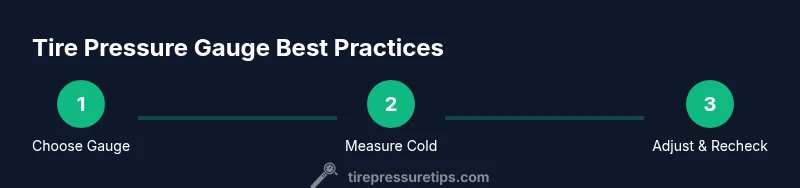
Tire pressure is sensitive to ambient temperature. Colder weather lowers tire pressure, while warm temperatures raise it. When you’re planning a long drive or seasonal storage, factor in temperature changes and recheck pressure after a weather shift. This is particularly important for Teslas, where battery performance and regenerative efficiency can benefit from stable tire pressure. Use your gauge to establish a baseline when tires are cold, then verify again after exposure to typical daily temperatures or after long drives. A consistent routine—check cold, compare to placard, adjust, recheck—helps you avoid pressure-related performance issues across the year.
Common Pitfalls and How to Avoid Them
- Relying solely on TPMS: TPMS is a warning system, not a precise gauge. Always verify with a dedicated tire pressure gauge.
- Reading hot tires: Pressures rise with heat; always measure cold for an accurate baseline.
- Using a worn or uncalibrated gauge: Verify calibration against a known reference and replace an old gauge.
- Neglecting the valve stem: Damaged or leaky stems skew readings; inspect before inflating.
- Over-inflation: Inflate in small steps and recheck to avoid tire blowouts.
Maintenance, Calibration, and Storage Tips
Keep your gauge accurate by calibrating it against a known standard or comparing it with a trusted gauge every few months. Digital gauges benefit from fresh batteries and a protective case to prevent damage. Store in a cool, dry place away from direct sunlight to prevent battery degradation or dial impairment. Clean the nozzle after inflating to prevent debris from affecting measurement. A simple, well-maintained gauge travels with you and reduces surprises on the road, especially when weather shifts in your region.
Practical Checklist for Tesla Owners
- Check cold tires before trips and after temperature changes.
- Choose a gauge with clear readouts and a reliable seal.
- Confirm the Tesla door jamb placard values and adjust accordingly.
- Recheck the pressure after inflation or deflation to confirm stability.
- Replace worn seals and batteries as needed to maintain accuracy.
Tools & Materials
- Tire pressure gauge (analog or digital, preferably with a bleed valve)(Choose a model with a secure valve stem fitting and a clear display)
- Owner's manual or door placard with recommended PSI per axle(Use as the target reading reference)
- Glove box or trunk storage for gauge(Keep gauge readily accessible for quick checks)
- Rag or tissue(Wipe valve stem and gauge nozzle before measuring)
Steps
Estimated time: 10-15 minutes
- 1
Prepare Your Gauge and Vehicle
Gather your tire pressure gauge, confirm fresh batteries if digital, and locate the recommended PSI values on the door placard. Ensure the tires are cool before starting for the most accurate measurement.
Tip: Practice a quick wipe of the valve stem with a rag to ensure a clean seal. - 2
Check Tires When Cold
Pause after driving; cold tires provide the baseline pressure. If you’ve just driven, wait at least three hours or measure first thing in the morning.
Tip: A cold measurement is your best reference point for target PSI. - 3
Remove Valve Cap and Attach Gauge
Carefully remove the valve cap and place the gauge on the valve stem. Apply steady pressure to avoid air leaks and ensure an accurate reading.
Tip: If using an analog gauge, read the needle at eye level for accuracy. - 4
Read the PSI and Compare
Read the gauge display and compare to the placard value. If it’s within range, you’re done. If it’s low or high, prepare to adjust.
Tip: Small adjustments make the most difference; inflate or deflate in small increments. - 5
Inflate or Deflate to Target
Add air in short bursts or release air until the target is reached. Recheck after each adjustment.
Tip: For Teslas with air suspension, avoid rapid changes near extreme temps to prevent pressure fluctuation. - 6
Recheck and Finalize
Reattach the gauge and verify the final reading. Replace the valve cap and store the gauge securely.
Tip: Keep a small log of readings for trend tracking over seasons.
Frequently Asked Questions
What is a Tesla tire pressure gauge, and why do I need one?
A Tesla tire pressure gauge is a handheld tool used to measure the actual air pressure in each tire. It helps you verify readings and detect leaks or slow loss that the TPMS alone might not catch. Keeping accurate readings supports safety, tire wear, and energy efficiency.
A tire pressure gauge gives you the real pressure in each tire, so you can verify what the car’s TPMS shows and catch slow leaks early.
Can I rely on the Tesla TPMS readings instead of a gauge?
TPMS is a warning system, not a precise measurement. Use a gauge to confirm actual pressure, especially after temperature changes or long trips.
TPMS warns you, but a gauge confirms the exact pressure for safety and efficiency.
How often should I check tire pressure on my Tesla?
Check at least once a month and before long trips, especially after weather shifts. Always measure when tires are cold for accuracy.
Check monthly and before trips, ideally when tires are cold.
What is the best type of gauge for Teslas?
A digital gauge with a clear readout or a robust analog gauge with a good seal works well. Choose one that fits Teslas’ low-profile tires and is easy to read in sunlight.
A digital gauge with a clear display or a reliable dial gauge works well for Teslas.
How do I calibrate a tire pressure gauge?
Compare readings against a known reference gauge or a service station gauge. If readings differ, recalibrate or replace the device.
Check it against a trusted reference and recalibrate if readings don’t match.
What if tire pressure drops after inflation?
Recheck after a few minutes as the air settles. Temperature changes or valve leaks can cause small decreases.
If pressure drops after inflation, recheck because it may settle or indicate a leak.
Watch Video
What to Remember
- Check tires when cold for accuracy
- Use the placard as the inflation target
- Choose a gauge designed for Teslas and low-profile tires
- Recheck after adjustments to confirm stability