How Long for Tire Pressure Light to Turn Off
Discover how long it takes for the tire pressure light to turn off after inflating to the correct pressure, and learn step-by-step reset methods for TPMS. Practical tips from Tire Pressure Tips to keep you safe on the road.


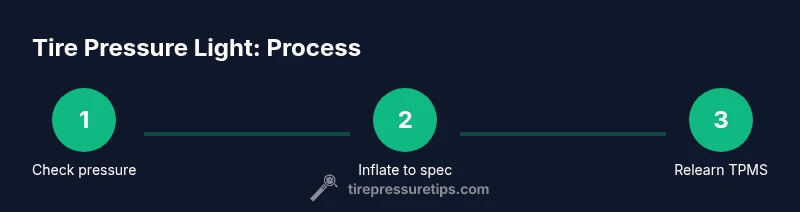
To turn off the tire pressure light, first verify all tires are inflated to the vehicle’s recommended pressure. Then drive for several minutes to allow TPMS to relearn the new pressures; on many cars the light will reset automatically. If it remains on, recheck all tires, inspect for leaks, and consult your owner’s manual or a tire technician to reset the system.
Understanding the Tire Pressure Light
The tire pressure light on your dashboard is part of the vehicle’s TPMS, which monitors tire pressure and inflation consistency. It is not a warning that all tires are flat, but an alert that one or more tires may be under-inflated or over-inflated compared to the manufacturer’s specification. When you see the light, the first step is to confirm that all tires—including the spare on some models—are inflated to the recommended level listed on the door jamb sticker or in the owner's manual. The Tire Pressure Tips team notes that temperature changes, sudden pressure losses, and sensor faults can trigger the light even if the tire looks fine. After inflating, many modern TPMS systems will reassess automatically as you drive, while some require a manual reset.
Key takeaway: a proper inflation check is your first line of defense, and understanding your vehicle’s relearn process helps you decide whether the light should turn off on its own or needs a manual reset.
How TPMS Learns and Turns Off
TPMS works by reading sensor data from each wheel and comparing it to a target pressure. If readings drift beyond a safe range, the light may come on. Once you adjust pressure to the recommended level and drive for a short period, the system can relearn the new baseline. The exact process depends on your vehicle’s make and sensor type (direct TPMS vs indirect TPMS). Some vehicles reset automatically after opening and closing a door; others require a specific in-vehicle menu or a key-on/engine-off cycle. According to Tire Pressure Tips, understanding your car’s reset procedure is essential because a failed relearn is a common reason the light stays on even after inflation.
Practical note: check your owner’s manual for your exact relearn sequence, as it can vary by car model and sensor design.
Factors That Influence When the Light Turns Off
Several factors influence how quickly the light turns off. Temperature changes, tire wear, and whether you’ve replaced a tire or sensor can affect the relearn process. If one tire had a slow leak and you inflated it, the TPMS might need additional drive time to relearn the new pressure. If tires were recently rotated or replaced, a dedicated relearn procedure may be required. Extreme weather, large pressure variances between cold and warm conditions, and sensor aging can also delay the reset. The takeaway is to ensure all tires are within specification, then follow the vehicle’s reset steps.
Practical steps you can take before calling a technician
Begin with a cold tire check using a reliable gauge. Compare readings to the door jamb sticker and adjust each tire to the recommended pressure. After inflation, drive the vehicle at safe speeds for a few minutes to allow the TPMS to relearn. If the light does not turn off, consult your owner’s manual for the exact reset method or visit a tire professional for a precise relearn procedure. Keep notes of any leaks or damaged sensors for when you seek help.
Common Mistakes That Keep the Light On
- Assuming the light will turn off automatically without inflating to the correct pressure. Always verify the exact target pressure before driving.
- Overfilling tires in an attempt to 'fix' the light. Over-inflation can trigger more TPMS warnings or cause uneven wear.
- Ignoring slow leaks from damaged valves, punctures, or wheel damage. These issues can keep the light on even after inflation.
- Trying to reset without following the vehicle’s specific procedure. Reset steps vary by model, and an improper reset can leave the light active.
When to Seek Professional Help
If you’ve inflated all tires to the recommended levels, followed the relearn procedure, and the light remains on, there may be a sensor fault, damaged valve stem, or a failing TPMS module. A tire service professional can diagnose with a scan tool, check sensor batteries, and confirm the system is functioning correctly. Regular maintenance checks by a pro can prevent intermittent warnings and ensure accurate tire monitoring.
Quick Reference: What to Do If the Light Flashes or Stays On
Flashing indicators typically signal a sensor fault or transitory error. If the light is solid, it usually means at least one tire is still not within the recommended range or the relearn didn’t complete. In either case, perform a full inflation check, inspect for leaks, and attempt the relearn sequence again using your car’s manual. If in doubt, a professional diagnostic can prevent unsafe conditions on the road.
Using a Tire Pressure Gauge and Maintaining TPMS
A precise digital gauge tends to be easier to read than an analog one, reducing under- or over-inflation mistakes. Keep your gauge in the glove box and check tires when they are cold for consistent readings. Regularly inspect TPMS sensors for corrosion or damage, especially after curb impacts or tire services. Routine maintenance reduces the likelihood of false warnings and helps you keep your tires at the proper pressure.
Tools & Materials
- Tire pressure gauge(Digital or analog; use the vehicle’s recommended pressure label as a reference)
- Air compressor or access to a service station(Needed to bring tires to the recommended pressure)
- Owner’s manual or vehicle TPMS reset procedure(Important for model-specific reset steps)
- Soap water or spray bottle(Useful for checking slow leaks around valves and rims)
- Notebook or vehicle log(Record readings and any warnings for reference)
Steps
Estimated time: 30-60 minutes
- 1
Find the recommended tire pressure
Locate the recommended tire pressure value on the driver’s door jamb sticker or in the owner’s manual. This value represents the target you should aim for when inflating each tire.
Tip: Use the cold-tire measurement for accuracy; pressures change with heat. - 2
Check all tires with a gauge
Measure each tire’s current pressure using a reliable gauge. Compare with the recommended value and note any tires that are low or high.
Tip: Don’t rely on the dashboard readout alone; it’s less precise than a manual gauge. - 3
Inflate to the recommended pressure
Add air to any tire that’s below the recommended value until it matches the target. If a tire is over-inflated, let a bit of air out until it’s within range.
Tip: Do not exceed the maximum pressure printed on the tire sidewall. - 4
Reset the TPMS if needed
Some vehicles reset automatically after inflation, others require a specific in-car menu option or a key-on engine-off cycle. Follow your owner’s manual steps exactly.
Tip: If your car requires a manual reset, perform it after all tires are at the target pressure. - 5
Drive to relearn the system
Take a short drive to allow the TPMS to relearn the new pressures. Avoid aggressive driving during this relearn window.
Tip: Check the dashboard after a few miles to see if the light has turned off. - 6
Verify the light is off
If the light remains on, recheck each tire for correct pressure and inspect for leaks or sensor issues. If unresolved, seek professional help.
Tip: Document any prior resets or readings to show a technician.
Frequently Asked Questions
Why won't the tire pressure light turn off after inflating the tires?
Some vehicles require a specific relearn procedure or driving pattern for the TPMS to recognize the new pressure. If the light persists, double-check all tires and consult the owner’s manual for your model’s reset steps.
If the light stays on after inflating, check the tire pressures again and follow your manual’s reset steps or seek professional help.
Is it safe to drive with the TPMS light on?
Driving with under-inflated tires can be unsafe and reduces fuel efficiency and handling. If you cannot quickly bring tires to the recommended pressure, limit speed and get the tires checked as soon as possible.
It’s best to get tires inflated to specification as soon as you can; drive carefully if you must continue.
Do I need to reset TPMS after inflating to the correct pressure?
Many modern cars reset automatically after inflation, but some require a manual reset. Check your vehicle manual for the exact procedure and perform it if required.
Some cars reset on their own after inflation; others need a manual reset, so check the manual.
Can a faulty TPMS sensor trigger the light even when pressures are correct?
Yes. A bad sensor or battery can cause erroneous warnings. If readings appear inconsistent, have the TPMS system tested by a professional.
A bad sensor could trigger the light; get it checked if readings seem off.
What should I do if the light keeps flashing?
A flashing light often indicates a system fault or sensor issue. Stop driving safely and have the vehicle inspected by a tire professional promptly.
If it’s flashing, stop and get a professional look at the TPMS.
Watch Video
What to Remember
- Verify all tires are at the recommended pressure before assuming the light is invalid.
- Relearn the TPMS after inflation by driving or using the correct reset method.
- If the light persists, inspect for leaks or faulty sensors and consult a professional.
- Keep a TPMS maintenance mindset to prevent false warnings in the future.