Audi Tire Pressure Malfunction: Troubleshooting and Fixes
A practical, urgent guide to diagnosing and fixing audi tire pressure malfunction. Learn quick checks, TPMS insights, and safe, step-by-step fixes to keep your Audi handling and efficiency solid.


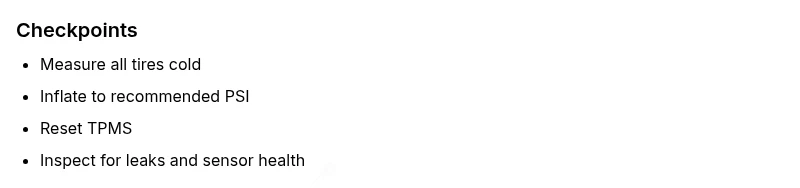
Most Audi tire pressure malfunction scenarios begin with underinflated tires or a faulty TPMS sensor. Start by checking all tire pressures with a reliable gauge, inflate to the Audi-recommended PSI for your model, and then reset the TPMS. If the warning stays on, inspect for leaks, damaged valve stems, or sensor faults, and seek professional service if needed.
Understanding audi tire pressure malfunction
When drivers see an audi tire pressure malfunction warning, it can shake confidence and impact handling, fuel economy, and tread life. According to Tire Pressure Tips, most malfunctions stem from simple, addressable issues—especially underinflation or a failing TPMS sensor. In an Audi, the dashboard warning may appear as a TPMS light, a message in the driver information display, or a combination of both. The goal is to verify tire pressures, confirm the readings are current, and rule out sensor faults before assuming a tire is flat or unsafe. This section helps you distinguish between a temporary fluctuation and a true malfunction, so you can act quickly and safely.
Common causes at a glance
Several frequent culprits can trigger an audi tire pressure malfunction:
- Underinflated tires: The most common driver-related cause, leading to imprecise readings and altered handling.
- TPMS sensor issues: Batteries die or sensors drift, causing false alarms or no alarm at all.
- Leaks and punctures: Slow leaks or bead leaks can silently destabilize pressure.
- Temperature effects: Colder mornings or rapid temperature swings can lower tire pressure temporarily and trigger warnings if readings are close to the threshold.
Identifying the exact cause starts with accurate readings and a careful inspection of each tire. Remember to check cold tires (before driving) for the most reliable measurements.
Tools and checks you can perform now
Before calling for help, gather a few simple tools and perform basic checks:
- A reliable tire pressure gauge (analog or digital) and your vehicle’s recommended PSI chart (found in the owner’s manual or B-pillar sticker).
- A clean, dry surface to inspect tires for cracks, nails, or punctures.
- Optional: a battery-powered TPMS relearn tool if your manual supports at-home relearn.
- A notebook to record pressures for all four tires and spare if applicable.
Carefully read each tire’s sidewall for maximum pressure ratings and ensure you’re inflating to the correct value for your load and speed rating. If you notice any tire damage, avoid driving and seek professional service.
Understanding temperature effects on tire pressure
Tire pressure is sensitive to ambient temperature. A chilly morning can drop PSI, while a hot road can slightly increase it. This is especially relevant for Audi owners who park outside and drive varied routes. Allow tires to cool before taking a reading for accuracy and avoid inflating to a “hot” pressure; instead use the cold reading for the target PSI. If readings vary significantly between checks, there may be a slow leak or a sensor fault that requires attention.
TPMS: sensors, batteries, and relearn basics
TPMS sensors live in the wheel assembly and communicate with the car’s computer. A weak battery, sensor drift, or a malfunctioning receiver can produce incorrect warnings. If you cannot clear a persistent warning after inflating to spec, the TPMS may need a relearn or sensor replacement. Always follow the Audi owner's manual procedures or consult a dealer for TPMS relearn steps. Safety remains the priority when sensor faults are suspected.
When to seek professional help and what to expect
If you fail to stabilize readings after inflation, or if you notice tire damage, it’s time to consult a professional. A trained technician can verify TPMS sensor health, check for leaks with specialized equipment, and confirm alignment with Audi’s specifications. A dealer can perform a full relearn, reset counters, and confirm that the system reads accurately across all four corners.
Preventing future audi tire pressure malfunctions
Proactive maintenance reduces the risk of recurring warnings:
- Check tire pressures regularly, especially during seasonal changes.
- Use a high-quality gauge and measure when tires are cold.
- Inspect valve stems and wheel rims for damage.
- Schedule regular TPMS checks during service visits and replace sensors as needed.
Following these practices supports consistent readings and safer driving.
Steps
Estimated time: 30-60 minutes
- 1
Check all tires with cold readings
Use a reliable gauge to measure each tire’s PSI when tires are cold. Compare against the Audi-recommended PSI from the owner’s manual or door jamb sticker. Record the values for reference.
Tip: Cold readings are the most accurate; drive a short distance and recheck later only after tires cool down. - 2
Inflate to spec
Inflate each tire to the recommended PSI based on load and speed. Do not overinflate beyond the max rating on the sidewall. Recheck all four tires after inflation.
Tip: Double-check the pressure on all four tires to ensure uniformity across the axle. - 3
Reset or relearn TPMS
Follow the Audi manual’s TPMS relearn procedure or use the vehicle’s menu to reset the system. Drive the car for at least 10 minutes at highway speeds to allow the system to relearn readings.
Tip: If you’re unsure, a dealer or qualified tech can perform the relearn quickly. - 4
Inspect for leaks
Physically inspect tires for nails, cuts, or punctures. Check the valve stems for stiffness or cracking. Use soapy water to detect slow leaks around the bead and valve area.
Tip: Slow leaks may require wheel removal to inspect the bead seat. - 5
Check sensor and battery health
If warnings persist after inflation, the TPMS sensor or battery may be at fault. Do not ignore persistent warnings; sensor faults can lead to incorrect readings and unsafe driving conditions.
Tip: A battery replacement may be quick and inexpensive compared with a full sensor replacement. - 6
Test drive and recheck
Take a short test drive and recheck the tire pressures after the car has cooled down. Ensure all readings converge and the TPMS light behaves as expected.
Tip: Logging readings helps you spot patterns and anomalies. - 7
Decide on professional help
If the problem remains, arrange service with an Audi specialist or a tire shop familiar with TPMS. They can diagnose sensor faults, relearn the system, and verify wheel calibration.
Tip: Professional help saves time and ensures safety when TPMS components fail. - 8
Prevent future incidents
Incorporate regular tire pressure checks into your routine, especially during weather shifts. Periodically replace TPMS batteries or sensors per manufacturer recommendations and keep records.
Tip: Set a monthly reminder to check pressures and system status.
Diagnosis: Tire pressure warning or inconsistent TPMS readings on Audi
Possible Causes
- highUnderinflated tires
- mediumTPMS sensor battery or fault
- lowTemperature-related pressure changes
- mediumSlow leak or puncture at a tire bead
Fixes
- easyCheck pressures with a reliable gauge and inflate to the vehicle's recommended PSI,
- easyReset TPMS after inflating; follow your Audi's relearn procedure in the owner's manual.
- mediumInspect tires for leaks, nails, or damaged valve stems and address leaks or replace damaged components as needed.
- hardIf TPMS continues to misbehave or a tire shows damage, consult a dealer or independent Audi specialist for sensor diagnostics and possible sensor replacement.
Frequently Asked Questions
What does a TPMS warning mean for my Audi, and how urgent is it?
A TPMS warning indicates a tire pressure issue or sensor fault. Treat it as urgent; verify pressures and inspect tires. If the warning remains after correction and TPMS reset, seek professional service to avoid unsafe driving conditions.
A TPMS warning means tire pressure or sensor issues. Check the tires and reset TPMS; if it stays, get professional help quickly.
Can I fix audi tire pressure malfunction myself?
You can perform basic checks like measuring pressures and resetting TPMS. However, persistent warnings or suspected sensor faults require professional diagnosis to ensure accuracy and safety.
You can attempt basic checks, but for persistent warnings, it's best to have a professional diagnose TPMS and tire health.
Why do tire pressures change with temperature in my Audi?
Tire pressure changes with ambient temperature due to gas laws. Colder temperatures can lower PSI, triggering warnings if readings hover near the threshold. Always rely on cold readings for accuracy.
As temperature changes, air pressure in tires changes too. Use cold readings to judge if tires are at the right pressure.
Is it safe to drive with a TPMS fault or a leaking tire?
Driving with a known tire leak or TPMS fault is not safe. Reduce speed and distance, then seek professional inspection to prevent blowouts or loss of control.
Drive cautiously and seek professional help soon if you suspect a leak or TPMS fault.
How often should I check Audi tire pressures?
Check tire pressures monthly and before long trips, especially during weather changes. Use a reliable gauge and confirm readings with cold tires.
Check monthly and before trips, especially with temperature shifts, using a good gauge.
What should I do if TPMS readings still don’t match actual tire pressure?
If TPMS readings don’t match actual pressures after relearn, have the sensors tested or replaced at a dealership or qualified tire shop.
If readings don’t match after relearn, have sensors tested and replaced if needed.
Can a slow leak in a single tire trigger TPMS alerts for all tires?
Usually a single tire leak will trigger the TPMS for that wheel rather than all tires. If multiple warnings appear, a system-wide fault may be present.
Usually one leak triggers one tire's TPMS; multiple alerts may indicate a system issue.
Watch Video
What to Remember
- Check all tires when cold for accurate readings.
- Inflate to the Audi-recommended PSI, then reset TPMS.
- Inspect for leaks and sensor faults if warnings persist.
- Use TPMS relearn or professional service to restore accuracy.
- Maintain regular tire pressure checks to prevent future malfunctions.