Audi Tyre Pressure: A Practical Guide for Audi Owners
A practical, step-by-step guide to checking and maintaining Audi tyre pressure, including TPMS, seasonal adjustments, and safety reminders from Tire Pressure Tips.


Goal: verify and maintain the correct audi tyre pressure using the door placard or owner's manual, TPMS alerts, and a reliable gauge. Start with cold tires, inspect all four positions, and adjust each tire to the manufacturer-recommended pressure. This quick answer points you to a detailed, step-by-step approach designed for safe handling, fuel efficiency, and even tire wear.
Audi Tyre Pressure Essentials for Audi Owners
Maintaining correct audi tyre pressure is a foundational safety habit for every Audi owner. Proper tyre pressure improves handling, braking, comfort, and fuel efficiency. The Tire Pressure Tips team emphasizes that tires operate best when inflated to the manufacturer’s specification, which is printed on the door jamb placard and in the owner's manual. For Audi vehicles, the exact values depend on model, tire size, load, and driving conditions. The term audi tyre pressure refers to the pressure in all four tires as recommended by the vehicle maker; TPMS alerts help you monitor this even when you can't gauge it by feel. Regular checks prevent uneven wear and reduce the risk of sudden flats. Keeping the pressure in spec also helps the TPMS sensors function correctly, so you receive timely warnings when tires deviate from the norm.
To get the most accurate readings, always start from a cold tire state and use a quality gauge. In this guide, Tire Pressure Tips walks you through how to check, adjust, and maintain audi tyre pressure across common driving scenarios, with practical tips and a safety-first mindset.
Audi-Specific Tire Pressure Basics
Audi models share a core approach to tyre pressure, but the exact figures are model and tire-size dependent. Always verify the front and rear values on the door placard and in the owner's manual, noting that some Audi vehicles have different recommended pressures for front versus rear axles. When you change tire sizes or wheels, re-check the spec because the tire footprint affects inflation needs. The goal is consistent contact with the road, predictable steering response, and even tire wear. TPMS helps flag underinflation or overinflation between service visits, but you should not rely solely on the light—a physical check with a gauge confirms what the car is telling you.
Reading and Interpreting TPMS Alerts
TPMS provides real-time feedback about tire pressure, but it doesn’t replace manual checks. A TPMS warning usually indicates underinflation, overinflation, or a slow leak. If the light comes on, presume a variance from the recommended audi tyre pressure. In some cases, the TPMS reset after inflating may be required, especially after rotating tires or replacing sensors. You can verify TPMS readings by measuring cold tire pressure with a gauge and comparing to the placard numbers. If there’s a mismatch, adjust the tire pressure and drive a short distance to let the system recalibrate, then recheck with the gauge for accuracy.
How to Check Tyre Pressure Accurately
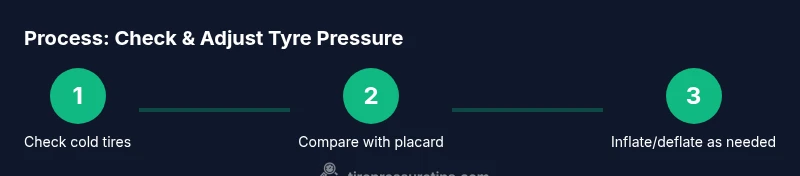
Checking audi tyre pressure accurately begins with a cold tire check. Remove the valve cap, press the gauge onto the valve stem firmly, and take a steady reading. Repeat for each tire, including the spare if you want complete coverage. Compare each reading to the vehicle’s recommended value on the placard. If a tire is underinflated, inflate slowly in small increments, pausing to recheck after each adjustment. If a tire is overinflated, release air gradually and recheck until you reach the target. Always replace valve caps after checking to prevent dirt entry and potential leaks. For accuracy, perform checks when temperatures have stabilized, and avoid checking immediately after a high-speed run, which heats tires and can skew readings.
Seasonal and Driving Condition Adjustments
Seasonal temperature shifts influence tire pressure. Cold weather causes air to contract, reducing pressure, while warm days increase it. If you drive frequently with heavy loads or on high-speed highways, the recommended audi tyre pressure may shift slightly to accommodate heat build-up and tire footprint changes. Never guess—consult the placard and use a gauge. If you routinely carry cargo or passengers, check pressure more often and adjust as needed. The goal is to maintain a consistent contact patch and predictable handling under varied conditions.
TPMS Maintenance and Calibration for Audi
TPMS sensors monitor tire pressure, but they require periodic maintenance. Batteries in sensor units have finite life, and sensors can fail or drift over time. Regularly check for TPMS warnings and schedule sensor diagnostics during routine maintenance. If a TPMS fault code appears, don’t ignore it; refer to the owner’s manual or a qualified technician to inspect sensors, wheels, and valve stems. After repairing or rotating tires, it may be necessary to perform a TPMS reset or relearn procedure, depending on the Audi model. Keeping sensors clean and free of residue improves signal reliability and reduces nuisance warnings.
Common Pitfalls and How to Avoid Them
Common mistakes include inflating while hot, using a single gauge for all tires, and neglecting the spare tire. Inflating hot tires yields artificially high readings, which mislead you about true pressures. Always measure when cold, then adjust accordingly. Use the same gauge for consistency and recheck after adjustments. Don’t ignore the spare; some Audi owners forget to check it, which can leave you stranded with an underinflated spare. Lastly, avoid the temptation to “eyeball” tire pressures—consistent, gauge-based checks save time and money in the long run.
Tools, Maintenance Schedule, and Safety
A reliable tire pressure gauge is essential, with digital gauges offering quick readings and built-in memory for multiple tires. An air compressor or access to a service station makes maintaining audi tyre pressure straightforward. Maintain a schedule: check monthly and before long trips, and recheck after temperature extremes or changes in loading. Safety comes first: overinflated tires can reduce traction and cause a harsher ride, while underinflated tires increase rolling resistance and heat buildup. When in doubt, consult your Audi manual or a Tire Pressure Tips technician for model-specific guidance.
AUTHORITY SOURCES
- https://www.nhtsa.gov/road-safety/tires
- https://www.nhtsa.gov/road-safety/tires-and-rpms
Reference guidelines from official sources help you understand tire care principles and how TPMS interacts with audi tyre pressure. Always cross-check the placard on your vehicle with the user manual for your specific Audi model.
Tools & Materials
- Tire pressure gauge (digital or analog)(Choose a gauge with clear readings and a range suitable for typical passenger tires)
- Air compressor or access to service station(Needed to adjust pressure to the recommended values)
- Owner's manual and door placard(Contains model-specific audi tyre pressure values)
- Valve caps(Keep caps on to prevent dirt and leaks)
- Car jack and wheel chocks (optional for checks away from service station)(Only if you plan to inspect tires without professional help)
Steps
Estimated time: 20-30 minutes
- 1
Gather the tools and locate the spec
Collect a reliable tire pressure gauge, access the Audi door placard and owner's manual, and confirm the tire size associated with your wheels. Knowing the exact Audi tyre pressure spec prevents guesswork when inflating.
Tip: Double-check both front and rear specs; some models have different targets per axle. - 2
Check tires when cold
Park in a shaded area and wait for at least an hour after driving before measuring. Warm tires can show inflated readings that don’t reflect the true cold pressure.
Tip: If you’ve just driven, wait until tires cool before taking readings. - 3
Remove valve caps and attach gauge
Take off the valve caps and firmly attach the gauge to the valve stem. Read the pressure and note the number for each tire.
Tip: Ensure the gauge seal is snug to avoid air leaks during measurement. - 4
Compare to the spec
Compare each tire’s reading to the Audi tyre pressure value on the placard or in the owner's manual. Identify whether each tire is underinflated or overinflated.
Tip: Record measurements to track changes over time. - 5
Inflate or release air as needed
If underinflated, add air in small increments, then recheck. If overinflated, release air gradually and recheck until you reach the target.
Tip: Always inflate in small steps to avoid overshooting the mark. - 6
Recheck all tires
After adjusting, recheck each tire to confirm it’s within the target range. Don’t forget the spare if you check it regularly.
Tip: Recheck the readings after about 5 minutes of settling to account for sensor adjustments. - 7
Reinstall valve caps and record
Put caps back on and log the final pressures. This helps you notice any future slow leaks if readings drift.
Tip: Keep a small notebook or digital log for quick reference. - 8
Reset or relearn TPMS if required
Some Audi models require a TPMS relearn after changing tires or performing certain maintenance. Check the owner’s manual for steps, or consult a technician.
Tip: A successful relearn ensures TPMS warnings remain accurate.
Frequently Asked Questions
Why is my TPMS light on even though tires look fine?
A TPMS warning can indicate underinflation, a slow leak, or a sensor fault. Use a gauge to verify each tire’s pressure and compare with the placard values. If readings are correct but the light remains, have the TPMS system inspected by a technician.
The TPMS light can trigger for underinflated tires or sensor issues. Check with a gauge first, then consult a technician if the light stays on after inflation.
Can I rely on a portable gauge instead of the built-in TPMS?
Yes, a portable gauge is a reliable way to confirm tire pressure. Use it regularly to verify TPMS alerts and ensure the readings match the manufacturer’s spec. Always follow up with a professional if a discrepancy appears.
A portable gauge is a solid check, but keep an eye on TPMS warnings and get professional help if readings don’t align with the spec.
What should I do if I can't reach the recommended pressure on a warm day?
Inflation readings on warm days can be higher than cold readings. If you’re adjusting in warm weather, recheck after tires have cooled to confirm alignment with the spec.
Inflation changes with temperature; recheck when cold to ensure accuracy.
Do tires lose pressure in cold weather?
Yes, cold weather can reduce tire pressure. Check and top up as needed when temperatures drop, and recheck once the tires have acclimated to the new ambient conditions.
Cold weather lowers tire pressure, so check regularly in winter.
How often should I check tyre pressure?
Check at least once a month and before long trips or heavy loads. More frequent checks are prudent in extreme temperatures or after tire service.
Check monthly and before trips, especially in extreme weather.
Can running with low tire pressure damage TPMS sensors?
Prolonged underinflation can cause heat buildup and sensor strain. While TPMS helps, it’s best to maintain correct pressure to protect tires and sensors.
Low pressure plus heat can stress sensors, so keep you tires properly inflated.
Is there a difference between 'tire pressure' and 'aud tyre pressure'?
No difference in concept: both refer to the air pressure inside tires. Audi tyre pressure simply emphasizes the brand-specific targets provided by Audi for your model.
They’re the same concept; Audi tyre pressure just points to model-specific targets.
Watch Video
What to Remember
- Know your Audi tyre pressure spec from placard and manual.
- Check tires when cold and measure with a reliable gauge.
- Adjust each tire to the specified value and recheck.
- Incorporate TPMS relearn when necessary after tire work.
- Maintain a simple log for ongoing pressure monitoring.