Tire Pressure on Audi A4: A Practical Guide for Safe Driving
Learn how to check, set, and maintain tire pressure on your Audi A4. Find official targets, TPMS basics, seasonal adjustments, and step-by-step guidance for safer driving and better fuel efficiency.


On an Audi A4, the correct tire pressure is set by the vehicle’s OEM target found on the door jamb sticker or in the owner's manual. Check tires cold and use a gauge to compare against that target; TPMS helps monitor pressure, but a manual check ensures accuracy.
Understanding Audi A4 Tire Pressure Basics
Tire pressure is the force exerted by the air inside each tire against the tire walls. For the Audi A4, the ideal pressure is defined by the OEM target, which can vary with tire size, load, and driving conditions. The general rule is to keep tires within the manufacturer’s recommended range rather than chasing a single number. In practice, you’ll notice that minor fluctuations happen with temperature changes, road conditions, and even the time of day. The Tire Pressure Tips team emphasizes that consistent checks, especially when seasons shift or you swap tires, help you avoid underinflation or overinflation that can affect handling, tire wear, and fuel economy.
According to Tire Pressure Tips, maintaining correct tire pressure is essential for safety, fuel efficiency, and tire longevity. Start with the official target and verify readings when the tires are cold to get an accurate baseline. Remember that TPMS is a helpful alert system, but it does not replace the precision of a manual pressure check. A routine that combines both approaches is the most reliable way to keep your Audi A4 performing at its best.
Finding the Official Tire Pressure Target for Your Audi A4
Every Audi A4 may have a slightly different target depending on trim, wheel size, and load. The most reliable source is the door jamb placard located on the driver’s side, which lists front and rear pressures for cold tires. The owner’s manual is also a definitive reference if you need additional context or if the placard is unreadable. When you know the target values, write them down or log them in a maintenance app so you can compare them quickly in the future. If you frequently switch between winter and summer tires, note the separate targets for each setup.
Additionally, some Audi forums and official dealership resources can confirm targets for model years or configurations not clearly listed on the placard. Use reputable sources and cross-check to ensure you’re following the exact specifications for your vehicle. Regularly reviewing these targets is part of a proactive tire maintenance routine, and it helps you stay aligned with Audi’s safety standards.
Why TPMS Matters on the Audi A4
Tire Pressure Monitoring Systems (TPMS) are designed to alert you when a tire crosses a predefined pressure threshold. They are invaluable for catching underinflation quickly, especially on long drives or in extreme temperatures. However, TPMS indicators do not replace the precision reading of a hand-held gauge. A tire can be above or below the exact target yet still trigger a TPMS warning, depending on the sensor’s programmed thresholds and the tire volume. In practice, TPMS should be used as a supplemental check rather than the sole method of verification. The Tire Pressure Tips team notes that relying solely on TPMS can lead to complacency and occasional misreadings, especially if sensors become faulty or slow to update after pressure changes.
How to Conduct a Reliable Tire Pressure Check (Manual Guide)
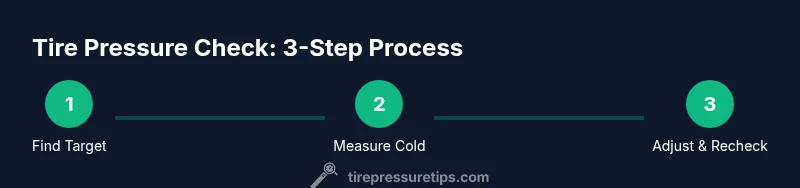
A careful manual check involves measuring cold tires with a calibrated gauge, then aligning readings with the OEM target. You’ll want to measure each tire, record the numbers, and adjust in small increments (about 1–2 psi at a time) until you reach the target. After adjustments, recheck all tires to confirm stability. If you notice persistent discrepancies between readings or the TPMS warning remains active after inflation, there may be a sensor issue or slow leak that requires professional inspection.
Common Mistakes and Pitfalls for Audi Owners
Common missteps include checking pressure after a drive, using an inaccurate gauge, inflating to the tire’s maximum pressure instead of the target, and neglecting seasonal changes. Don’t forget to recheck after ambient temperature shifts or after loading the car with passengers and cargo. Regularly inspecting tires for wear, checking valve stems for leaks, and ensuring wheel rims are free of debris also contribute to accurate readings and longer tire life.
Seasonal and Load Considerations for Tire Pressure
Temperature dramatically affects tire pressure. In colder weather, pressure readings can drop, while hot days can increase readings. When your Audi A4 carries heavy loads or more passengers, the target pressure can shift to accommodate the extra weight. A practical approach is to measure cold, account for seasonal adjustments, and adjust the target if your tires or wheels change. The goal is to maintain the target specified by Audi for your current tire configuration and load.
Extended Maintenance: Monitoring and Recalibration
Establish a routine—check monthly and before long trips. Keep a log of readings and any changes you observe, especially after tire rotation or replacement. If you notice frequent fluctuations or a TPMS alert that doesn’t align with your measurements, seek a professional inspection to rule out leaks or sensor problems. A proactive habit saves money on fuel, reduces uneven tire wear, and supports safer handling on the road.
Tools & Materials
- Tire pressure gauge (digital or analog)(Choose psi units; ensure accuracy by calibration if needed.)
- Audi A4 owner's manual or door jamb placard(Primary source for OEM target pressures.)
- Air source (air compressor or gas station pump with gauge)(Needed to adjust tire pressure precisely.)
- Notepad or digital logging tool(Record target pressures and readings for trend tracking.)
- Tire tread depth gauge (optional)(Useful for assessing overall tire health alongside pressure.)
Steps
Estimated time: 15-25 minutes
- 1
Find the official tire pressure target
Locate the door jamb placard on the driver’s side or consult the owner’s manual. Note the cold tire pressures for both front and rear wheels. If your vehicle uses different values for front and rear tires, record both. This target is your reference point for all future checks.
Tip: Double-check both front and rear values; some Audi A4 configurations differ by axle. - 2
Measure tires when cold
Ensure the car has been parked for at least 3 hours or overnight. Remove the valve cap and place the gauge on the valve stem. Take readings for all four tires and compare with the target values.
Tip: Avoid measuring after a highway drive; heat inflates readings and skews results. - 3
Read pressures with the gauge
Record the readings for each tire in psi, then calculate how far each is from the target. If a reading is off by more than a small margin, prepare to adjust in small increments.
Tip: Read one tire at a time to prevent confusion and ensure accuracy. - 4
Adjust with care
Add air slowly, checking after each small increment. Stop when you approach the target value, then finish with a final read to confirm alignment.
Tip: Inflating by 1 psi at a time reduces the risk of overinflation. - 5
Recheck all tires
After adjusting, recheck each tire to confirm stability. If TPMS shows a warning, allow the system to reset or drive a short distance to refresh.
Tip: Recheck at the same temperature conditions as your initial measurement. - 6
Record and monitor
Log the new readings and the date. Note any changes due to weather or load. Revisit the target whenever you replace tires or alter wheel sizes.
Tip: Keep a simple tire maintenance journal for quick future reference.
Frequently Asked Questions
Where can I find the tire pressure target for my Audi A4?
The target is listed on the door jamb placard on the driver’s side and in the owner’s manual. It shows separate figures for front and rear tires for cold conditions.
Check the door jamb placard or the owner's manual for the exact numbers.
Should I rely solely on TPMS to know my tire pressure?
TPMS alerts you to significant pressure changes but can miss small variances. Always verify with a gauge when possible.
TPMS helps, but a manual check is still important.
Why does tire pressure change with temperature?
Air expands when warm and contracts when cold, causing pressure to rise or fall. Measure when tires are cold for a stable baseline.
Temperature changes affect pressure; measure cold for accuracy.
Is it safe to inflate tires to the maximum rated pressure?
No. Max pressure is the limit, not the target. Inflate to the Audi’s recommended target for safety and handling.
Don’t inflate to the max; use the target pressure.
How often should I check my Audi A4 tire pressure?
Check at least monthly and before long trips. Recheck after temperature shifts or tire changes.
Check once a month and before trips.
Watch Video
What to Remember
- Check tires when cold for accuracy.
- Refer to the OEM target on the placard/manual.
- Use TPMS in addition to manual checks.
- Log readings to monitor trends over time.