Audi TT Tyre Pressure: Check, Set & Maintain Safe Inflation
Master Audi TT tyre pressure with practical checks, TPMS insights, and a maintenance routine. Learn how to measure, adjust, and monitor for safety, handling, and efficiency.


You will learn how to check Audi TT tyre pressure, adjust inflation to the vehicle’s specification, and verify TPMS readings. Gather a digital or dial gauge, locate the recommended psi from the door jamb sticker or owner’s manual, and note ambient temperature, as pressure shifts with temperature. Follow the step-by-step guide to maintain safe, efficient driving.
Why Audi TT tyre pressure matters for performance and safety
According to Tire Pressure Tips, maintaining correct Audi TT tyre pressure is not just about avoiding a flat; it directly influences handling, braking performance, tire wear, and fuel economy. Front and rear pressures can differ based on load and driving style, so it’s essential to use the manufacturer’s specification for your model year. Proper inflation improves grip in wet conditions, reduces rolling resistance, and helps the ABS and traction systems operate as designed. In addition, consistent inflation distributes wear evenly, extending tire life and preserving cornering feel. Seasonal and daily temperature changes also affect pressure, so it’s wise to check pressure when tires are cold and before long trips.
For most drivers, the difference between underinflation and recommended pressure is noticeable in steering response and ride quality. Underinflated tires tend to overheat and wear on the outer edges, while overinflation can reduce traction on wet or uneven surfaces. By making small, precise adjustments to match the OEM specification, you support consistent handling and safer braking distances. Keep in mind that TPMS alerts should prompt a pressure check, not a guess, and that the aim is to stay within the rated range specific to your Audi TT’s wheels and load.
How to locate the correct tyre pressure for your Audi TT
Your Audi TT’s tyre pressure specification is printed on the door jamb sticker and is also listed in the owner’s manual. The sticker typically shows separate values for the front and rear tyres, and sometimes for different load conditions or tire sizes. Always follow the recommended cold-inflation pressure (the tyre should be cold before measuring). If you replace tires or wheels, verify the new pressures against the vehicle’s spec because different wheel diameters and tire widths can alter optimal PSI. Remember that the pressure value is in psi (or kPa in some markets) and should be consistent across both sides of the axle unless the manufacturer states otherwise.
TPMS explained: how sensors affect pressure readings
Tire Pressure Monitoring Systems (TPMS) monitor air pressure and alert you when a tire drops below the recommended level. There are direct TPMS sensors inside each tire and indirect systems that infer pressure from wheel speed sensors. Either way, a TPMS warning means you should stop safely and inspect the tires. Temperature, a slow leak, or a sensor fault can trigger TPMS alerts, so don’t assume the warning is only about low pressure. After addressing the issue, reinitialize the TPMS if required by your model. In the Audi TT, TPMS is designed to protect performance and safety by prompting timely checks before you drive aggressively or during wet conditions.
Temperature and seasonality: how weather changes tyre pressure
Air is compressible, so tyre pressure changes with temperature. Colder days typically lower the PSI reading, while hot days raise it. When you park in the sun or drive long distances, heat builds inside the tire and slightly increases pressure. The practical takeaway: measure pressure when the tires are cold, ideally before a drive, and recheck after a few hours of driving only if you suspect a discrepancy. If you notice rapid changes in reading with the same gauge, have the TPMS and valve stems inspected for leaks or faults.
Tools and safe workflows for measuring tyre pressure
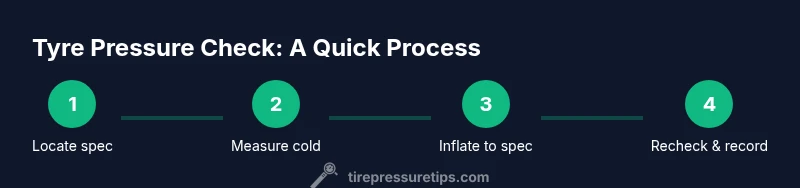
To measure Audi TT tyre pressure accurately, you’ll need a reliable pressure gauge, the vehicle’s door sticker or owner’s manual, and a way to inflate or deflate to the target pressure. Use a gauge that provides both psi and kPa units. Check cold tires on a level surface, remove the valve cap, press the gauge onto the valve stem until you get a steady reading, and compare with the spec. If adjustment is needed, add air in small increments and recheck. Don’t over-tighten valve caps, and keep a clean rag handy to wipe off dust that can hide a leak. When inflating, never exceed the maximum pressure shown on the tire sidewall and always adjust both tires on an axle to the same target.
Common mistakes and how to avoid them
Common mistakes include inflating while the tires are hot, using an inaccurate or worn gauge, and neglecting to check the spare if your Audi TT uses a full-size spare with a similar tire. Another pitfall is ignoring differences between front and rear pressures or failing to factor load changes (passengers, luggage, or roof racks). Finally, after replacing tires or wheels, re-check all pressures because changes in wheel size or construction can alter recommended PSI. Adopting a routine helps prevent these errors.
Seasonal maintenance and a simple upkeep routine
Develop a monthly maintenance habit: check all four tires when cold, note readings, and adjust to the exact OEM specification. In winter, check pressures more frequently as ambient temperatures can cause larger swings. Before long trips or track days, verify the pressures again after tires warm up slightly from highway speeds to avoid underinflation or overinflation. Keeping the tires inflated to spec ensures even wear, predictable handling, and optimal fuel efficiency for your Audi TT.
Tools & Materials
- Digital tire pressure gauge (with psi and kPa)(Prefer one with a built-in calibration check)
- Owner’s manual or door jamb tire pressure sticker(Cold-reading reference)
- Air compressor or access to a gas station air pump(Ensure the pump can read back in psi/kPa)
- Valve cap wrench or small tool(Tighten firmly after reading)
- Clean cloth or rag(Wipe valve stem and gauge connection)
- Notebook or phone note app(Record readings for trend monitoring)
- Safety equipment (gloves, eye protection)(Basic safety when inflating to high pressures)
Steps
Estimated time: 20-30 minutes
- 1
Park on level ground and prepare
Ensure the car is off, on a flat surface, with the parking brake engaged. Gather your tools and remove valve caps. This sets a stable baseline for accurate readings.
Tip: Chock the wheels opposite the tire you’re checking to prevent movement. - 2
Check tires cold and locate target pressure
Before measuring, wait for the tires to cool for at least three hours or after a stationary period to avoid heat-inflated readings. Read the OEM spec for each tire (front/rear) from the door sticker or owner’s manual.
Tip: If you just drove, wait until tires cool to measure; difference can be dramatic. - 3
Remove valve caps and attach gauge
Carefully remove the valve cap and press the gauge onto the valve stem. Read the measurement and compare to the target pressure.
Tip: Keep the valve cap in your pocket to avoid losing it; ensure a clean seal to prevent leaks. - 4
Inflate or deflate to target pressure
Add air in small increments or release air until the gauge shows the exact target. Recheck after adjusting to confirm stability.
Tip: Prefer multiple small adjustments over large changes to avoid overshooting the target. - 5
Recheck both tires on each axle
Inflate both tires on the same axle to the same specification, then recheck for consistency. Don’t forget the spare if applicable.
Tip: Record the final readings for future reference and trend tracking. - 6
Secure caps and clean up
Tighten valve caps fully and wipe away any residue. Return the car to normal readiness and store your tools.
Tip: Dispose of or store caps safely to avoid losing them on the road.
Frequently Asked Questions
How often should I check Audi TT tyre pressure?
For typical use, check monthly and before long trips. Inspect also after significant temperature changes or after tire replacement. Always verify with the door sticker and owner’s manual.
Check monthly and before long trips; inspect after big temperature shifts or tire changes.
Can TPMS give incorrect readings?
Yes. TPMS readings can be affected by sensor faults, slow leaks, or temperature changes. If TPMS warns and readings are marginal, measure with a gauge and consult a technician if readings keep deviating.
TPMS can misread due to sensor faults or leaks; verify with a gauge and seek service if readings stay off.
What should I do if the tire looks underinflated but reads as okay?
Recheck using a reliable gauge, ideally when cold. If readings remain inconsistent across tires or over time, inspect for leaks, punctures, or valve issues.
Double-check with a trusted gauge; if inconsistent, inspect for leaks or valve faults.
Is it safe to drive with underinflated tires?
Driving on underinflated tires increases heat buildup and can compromise handling and braking. Stop and check pressure as soon as practical to restore to spec.
No, underinflated tires can be unsafe; check pressure and restore to the recommended level promptly.
Should I inflate to the maximum rating printed on the tire?
No. The recommended pressure is set by the vehicle manufacturer, not the tire maximum. Always follow the door sticker or owner’s manual for your Audi TT.
Don’t inflate to the tire’s maximum pressure; use the vehicle’s recommended spec.
Watch Video
What to Remember
- Check cold tires to ensure accuracy
- Inflate to OEM spec for front and rear tires
- Use a reliable gauge and recheck after adjustment
- Temperature impacts readings; recheck in stable conditions
- Document readings for maintenance history