What If Tyre Pressure Is High? Quick Troubleshooting Guide
Urgent, practical guide to diagnosing and fixing high tyre pressure. Learn checks, safe air release, and maintenance tips to protect handling, wear, and TPMS accuracy.


High tyre pressure can compromise grip and ride quality. Quick fix: check against your vehicle’s recommended PSI, release air in small bursts until you reach the target, then recheck with a gauge. If you’re unsure, stop and seek guidance or visit a service center. Avoid overcorrecting—calibrate gradually and verify with cold tires.
What high tyre pressure means for your car
When what if tyre pressure is high happens, your car's handling, ride comfort, and wear patterns can suffer. High pressure reduces the tire's contact patch, making steering feel skittish and increasing the risk of center-tire wear. According to Tire Pressure Tips, this situation is often caused by inflating tires when they are hot or following a misread gauge. In any case, the safest approach is to verify your vehicle's recommended PSI and adjust accordingly. For most drivers, the first clue is not a loud bang but a firmer ride. The gauge may show a number at or above the limit; this is a red flag to slow down and reassess before driving far. Remember: accurate measurement is more important than speed, and a wrong reading can push you toward unsafe inflation.
Immediate safety and performance risks
Overinflated tires change how a vehicle behaves in corners and braking. The belt becomes stiffer, reducing grip on wet or loose surfaces and increasing the chance of a loss of control. A harsh ride wears out the center tread faster, and in extreme cases, sidewalls may become damaged by road debris. Even with a perfectly inflated tire, excessive pressure can mask impending tire defects because the tire's sidewall is less able to absorb impacts. Always treat a high PSI reading as a safety alert and recheck with a cold tire before making any driving decisions.
How to measure tire pressure accurately
First, wait until the tires are cold (at least three hours since driving). Remove the valve cap and press the gauge onto the valve stem, taking a steady reading. Compare the result to the vehicle’s door jamb placard or owner's manual; many cars specify a range. Use a trusted gauge (dial or digital) and repeat the check on all four tires. If readings vary significantly between tires, inspect for leaks or valve stem issues. Temperature changes can cause pressure to rise by a few PSI, but dramatic jumps indicate a measurement or gauge problem. Keep a log of readings to identify trends over time.
Step-by-step: Safely reduce tire pressure
- Park on a flat surface, turn off the engine, and apply the parking brake. 2) Remove the valve cap from the tire with the highest reading. 3) Press the gauge onto the valve and listen for air release; let a little air out, then recheck. 4) Repeat until the tire reads within the recommended range. 5) Replace the valve cap and recheck all tires to ensure consistency. 6) Check for even tread wear and recheck tire pressure after a short drive to allow the tires to warm up slightly. 7) If you notice the tire continues to rise beyond the target, stop and seek professional help.
Fine-tuning to vehicle specifications
Your vehicle's recommended PSI is in the door jamb placard and the owner's manual; this value is set to balance handling, comfort, and tire life. Load, speed, and weather affect the ideal pressure, so adjust accordingly. Under heavier loads or hot conditions, the high end of the range may be appropriate. Always calibrate after a full set of adjustments and re-check the other tires. If you regularly see high readings, consider a TPMS recalibration or sensor service.
Prevention and maintenance tips
Set a monthly reminder to check tire pressure when tires are cold. Use a quality gauge, and keep the air pump or at a service station handy. Rotate tires as recommended and inspect for leaks, punctures, or valve stem damage that can cause inaccurate readings. Keep the tires inflated to the vehicle-spec range to maximize fuel efficiency and safety. A well-maintained tire pressures improve braking, handling, and wear patterns.
When to seek professional help
Seek professional help if you cannot bring high tire pressure under control, if TPMS keeps warning after adjustments, or if you notice sidewall bulges, cracks, or unusual wear. A tire service professional can check for leaks, inspect TPMS sensors, and verify that inflation equipment is accurate. Do not drive long distances on overinflated tires, and consider replacing tires if they've sustained long-term damage.
Steps
Estimated time: 15-30 minutes
- 1
Park and safety check
Find a flat surface, engage parking brake, and wear gloves. Inspect for obvious damage before handling tires.
Tip: Wear eye protection and keep children away from the area. - 2
Identify highest reading tire
Use a gauge to measure all four tires cold, noting the tire with the highest PSI.
Tip: Record the PSI for each tire to track changes. - 3
Release air gradually
Attach the gauge, press to release a small amount of air, then recheck. Repeat until near target.
Tip: Make small adjustments—it's easier to add air back than remove too much. - 4
Recheck all tires
Once one tire reaches target, check the others to ensure even levels across the axle.
Tip: Don’t forget the spare tire if it’s regularly used. - 5
Replace caps and confirm
Screw valve caps back on and verify readings again after a short drive.
Tip: Drive slowly at first to allow tires to settle. - 6
Record and monitor
Log the readings and monitor for any creeping changes over the next weeks.
Tip: Keep the log in your vehicle or phone notes.
Diagnosis: Tire pressure reads high on gauge or TPMS alert while vehicle seems fine
Possible Causes
- highOverinflation by maintenance or pumping while hot
- mediumTemperature increase after driving causing pressure rise
- lowTPMS fault or sensor misread
- lowIncorrect gauge used or wrong unit
Fixes
- easyRelieve pressure gradually to the recommended level
- easyRecheck when tires are cold; adjust as needed
- mediumInspect TPMS sensors for faults or leaks
- easyConsult a professional if pressure remains high after adjustments
Frequently Asked Questions
What should I do if my TPMS shows high tire pressure?
If TPMS shows high PSI, first verify all tires are within the recommended range using a cold reading. If needed, release air gradually and recheck. If the warning persists, have the system inspected by a professional.
If your TPMS shows high PSI, check all tires cold and adjust gradually, then seek professional help if it won't settle.
Can high tire pressure cause a blowout?
Overinflation can contribute to damage and increase blowout risk, especially on hot days or rough roads. Inspect tread wear and maintain proper inflation to reduce danger.
Yes, overinflation increases blowout risk under certain conditions.
Does weather affect tire pressure?
Yes. Temperature swings can change tire pressure by a few PSI. In hot weather pressure rises; in cold weather it drops. Regular checks help keep inflation correct.
Weather affects tire pressure; check after temperature changes.
Is it safe to release air on a hot tire?
No. Release air only after the tire has cooled to avoid inaccurate readings and underinflation. Always recheck when cold.
No, wait for the tire to cool before releasing air.
How often should I check tire pressure?
Check at least once a month and before long trips. Use a cold reading and compare to the recommended PSI on the placard.
Check monthly and before trips.
Watch Video
What to Remember
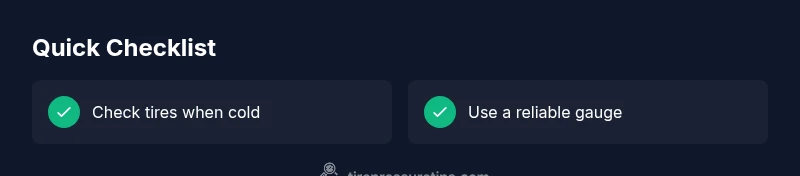
- Check tires when cold for accurate readings
- Always match target PSI to vehicle spec
- Adjust in small increments to avoid under/over-correction
- Use TPMS as a guide, not the sole metric
- Seek professional help if high readings persist