Driving on Low Tire Pressure: Safe Troubleshooting Guide
Learn how to diagnose and fix driving on low tire pressure with practical checks, inflation steps, and maintenance tips from Tire Pressure Tips.


Driving on low tire pressure is risky and should be addressed immediately. The most likely cause is a slow leak or puncture, often worsened by temperature changes or recent mileage. Quick fix: pull over safely, check tire pressure with a gauge, inflate to the vehicle’s recommended PSI, and inspect for embedded objects or sidewall damage. If the warning persists, seek professional inspection.
Why Driving on Low Tire Pressure Is Hazardous
Driving on underinflated tires compromises safety in several ways. The most immediate risks are reduced steering response, increased tire flexing, and a higher chance of a blowout at speed. According to Tire Pressure Tips, low tire pressure can cause heat buildup in the sidewalls, uneven wear, and poorer braking performance. In practice, even a small drop in PSI can change how the tire contacts the road, especially in cornering or during emergency maneuvers. For everyday driving, this means longer stopping distances, poorer handling, and worse fuel economy. If you notice a warning light or feel unusual vibrations, treat it as urgent and stop to check the tires as soon as you can. Remember: driving on low tire pressure is a safety issue that affects you and others on the road.
How to Check Tire Pressure and Interpret TPMS Readings
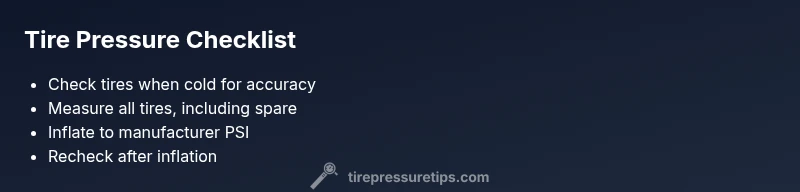
Accurate tire pressure checks require a cold tire or after at least three hours of not driving. Use a reliable tire gauge and compare readings to the vehicle manufacturer’s recommended PSI, which is found on the door jamb sticker, in the owner's manual, or on the placard in the glovebox. TPMS (tire pressure monitoring system) alerts you if a tire’s pressure falls significantly below the recommended level, but it cannot tell you the exact PSI. If a tire reads low on the gauge, inflate to the recommended PSI and then recheck. After inflation, re-run the gauge on all tires to ensure even inflation and check for slow leaks. If you cannot access a gauge, find a safe place to stop and contact roadside assistance.
Common Causes of Low Tire Pressure
- Slow leaks from nails, screws, or road debris
- Temperature changes that lower PSI, especially in cold weather
- Valve stem leaks or loose caps
- Bead leaks or wheel damage after hitting potholes
- Incorrect initial inflation or overinflation after a new tire
Understanding these causes helps you diagnose quickly. If you notice a rapid drop in pressure, treat it as an emergency and seek immediate help.
Immediate Steps If You Suspect Low Pressure While on the Road
- Find a safe place to pull over and turn on hazards if necessary
- Visually inspect tires for obvious damage or objects stuck in tread
- Check the pressure with a gauge if you can safely reach it
- If a tire is significantly low, limit speed and avoid highway driving
- Consider using your spare if you notice a rapid deflation or obvious damage. Safety first: keep at a moderate speed and avoid aggressive maneuvers.
Safe Inflation Techniques and PSI Targets
- Use a clean, accurate gauge and be mindful of temperature when measuring
- Inflate each tire to the manufacturer-recommended PSI; never exceed the sidewall maximum
- After inflating, check the pressure again and adjust as needed
- If you don’t have access to air, call roadside assistance or a tow to a nearby service center. Remember, correct inflation improves handling, tread life, and fuel economy.
Long-Term Maintenance and TPMS Awareness
Regular tire pressure checks reduce the risk of sudden deflation and unsafe driving conditions. The Tire Pressure Tips team recommends practicing monthly checks, especially before long trips or seasonal temperature changes. Keep an eye on TPMS sensor life and battery status, and recalibrate after tire changes or rotations. Proper rotation and balanced wheels distribute wear evenly, helping maintain consistent pressure readings. Treat TPMS as a safety net, not a stand-alone gauge; always verify with a handheld gauge.
When to Seek Professional Help
If you cannot identify a cause of persistent low pressure or notice rapid deflation, seek professional help promptly. A technician can inspect tire integrity, repair punctures, replace valves, and verify TPMS calibration. Do not drive long distances on a tire that loses pressure quickly, as this can lead to a blowout or loss of control. The Tire Pressure Tips team emphasizes safety and recommends a quick diagnostic at a shop when in doubt.
Steps
Estimated time: Estimated total time: 25-40 minutes
- 1
Park safely and prepare tools
Find a safe place, turn on hazards, and gather a tire gauge, inflator if available, and a flashlight. Ensure the vehicle is in park, the parking brake is engaged, and you are not blocking traffic.
Tip: Keep reflective vest or bright clothing handy for roadside stops. - 2
Check tires when cold
Wait for tires to cool or check before driving. This ensures the gauge readings reflect true PSI rather than heat-induced expansion.
Tip: Measure all four tires plus spare if present. - 3
Read PSI and compare
Read the PSI on each tire and compare to the vehicle’s recommended PSI found on the door jamb sticker or owner’s manual. Note any tire that reads low.
Tip: If one tire is notably lower, it's your priority. - 4
Inflate to recommended PSI
Inflate each tire to the recommended PSI, taking care not to exceed the tire’s maximum sidewall pressure. Recheck after inflation to ensure accuracy.
Tip: Use a proper gauge; don’t rely on memory or feel alone. - 5
Inspect for damage
Look for punctures, cuts, bulges, or embedded debris around the tire, valve stem, and bead area. If you find damage, replace the tire or seek professional help.
Tip: If you must drive again, keep speeds moderate and avoid highways. - 6
Check TPMS status
Verify TPMS readings and sensor status after inflation. If the warning persists, a sensor or calibration issue may exist.
Tip: Note which tire triggered the warning for reference at service. - 7
Plan next steps
If you cannot identify a fix or the pressure drops again quickly, arrange a professional inspection and avoid long trips until resolved.
Tip: A quick shop visit can prevent dangerous blowouts.
Diagnosis: Driver notices a TPMS warning or a digital gauge shows low PSI on one or more tires.
Possible Causes
- highSlow leak from nail, screw, or road debris
- mediumTemperature changes that lower PSI
- lowValve stem leaks or loose caps
Fixes
- easyInspect tire for punctures or objects, patch or replace as needed
- easyInflate tires to the specified PSI using a reliable gauge
- mediumCheck TPMS calibration and battery; replace sensor if needed
- hardConsult a professional for suspected bead leak or tire damage
Frequently Asked Questions
What PSI counts as low for most passenger cars?
Low PSI is when a tire reads below the manufacturer’s recommended value. Use the door jamb placard or owner's manual to confirm the exact target for your vehicle. Always verify with a handheld gauge for the final reading.
Low PSI means the tire reads below the car’s recommended target. Check the placard and verify with a gauge.
Can I drive with a TPMS warning?
You can drive briefly to reach a safe location, but avoid long trips or high speeds. TPMS warnings indicate unsafe pressure levels; stop and inspect as soon as practical.
You can drive a short distance to a safe spot, but don’t push it—check the tires as soon as you can.
How often should I check tire pressure?
Check tire pressure at least monthly and before long trips, and inspect after major temperature changes or tire repairs.
Check at least monthly and before long trips, especially after temperature changes.
Will low tire pressure cause faster wear?
Yes. Low pressure increases tire flex, leading to uneven wear and reduced tread life over time.
Yes, it wears tires faster and unevenly.
Should I inflate to the max PSI on the sidewall?
No. Always inflate to the vehicle manufacturer’s recommended PSI, not the sidewall’s maximum. Overinflation can reduce grip and ride quality.
No—use the recommended PSI, not the maximum on the sidewall.
What if I suspect a slow leak but can’t find it?
If you suspect a slow leak, inspect with soapy water around the valve, stem, and bead. If it doesn’t seal, replace or patch the tire and have it checked by a pro.
Try soapy water to detect slow leaks, then get it professionally checked if it persists.
Watch Video
What to Remember
- Check tires cold to read accurate PSI
- Inflate to manufacturer PSI, not max sidewall PSI
- Inspect for punctures or leaks when low pressure is detected
- Use TPMS as a guide, verify with a gauge