How to Get Rid of the Low Tire Pressure Light: A Practical Guide
Learn how to diagnose, reset, and maintain tire pressure to turn off the low tire pressure light safely with a step-by-step, safety-first approach from Tire Pressure Tips.


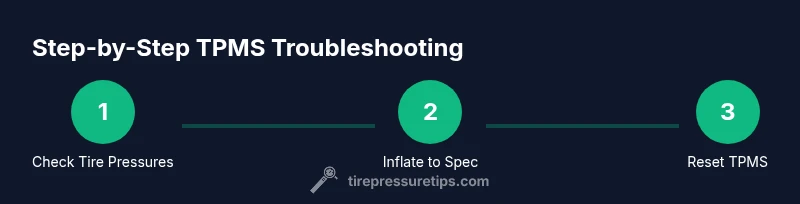
If you’re wondering how to get rid of low tire pressure light, start by confirming that all tires are inflated to the vehicle’s recommended PSI shown on the door jamb sticker or in the owner's manual. If readings are correct, reset the TPMS if your car supports it, then drive a short distance to allow recalibration. If the light returns, recheck all tires and inspect for leaks or sensor issues.
Understanding TPMS and the Low Tire Pressure Light
Tire Pressure Monitoring Systems (TPMS) are designed to alert you when a tire drops below the manufacturer’s recommended pressure. The low tire pressure light is a safety feature, not a nuisance. Understanding what triggers the light helps you respond quickly and correctly. In most vehicles, the light comes on when one or more tires fall several PSI below the target value, or when a TPMS sensor fails. The Tire Pressure Tips team emphasizes that the light can also illuminate due to rapid temperature changes, recent tire rotation, or a sensor fault. The key is to verify actual pressure before reacting and to follow your vehicle’s reset procedure if needed. By treating this light as a precise signal, you protect tire wear, fuel efficiency, and handling.
Context and goals: You want to ensure safe driving, avoid unnecessary inflation, and keep TPMS healthy for accurate readings. This section explains how TPMS works, the difference between a light caused by underinflation and one caused by a sensor fault, and why timely action matters for safety and performance.
Common Causes of a False or Stuck Light
A malfunctioning TPMS sensor, a slow leak in a tire, or a temporary temperature-induced change can trigger the light without a dangerous drop in pressure. Sometimes, after rotating tires or changing wheels, the system may need a reset to recalibrate. Environmental factors like cold mornings, driving with underinflated tires for extended periods, or air loss from a puncture can cause the light to activate. In some cases, the light stays on due to a faulty sensor battery or a dead TPMS module in the wheel. The Tire Pressure Tips guidance encourages a methodical approach: verify real pressure first, then diagnose sensor integrity if readings are unchanged.
Why this matters: Addressing false readings promptly avoids unnecessary inflation and potential overinflation when you misread the tire condition.
Step-by-Step Home Checks You Can Do
Performing a systematic home check helps you decide whether you need to inflate, repair, or replace a tire. Start by turning the ignition to ON (but do not start the engine) and locating the TPMS indicator. If it’s illuminated, proceed to check each tire’s pressure with a reliable gauge. Do the checks when tires are cold, as driving warms air and can give a false high reading. Compare each tire’s pressure to the value listed on the door jamb sticker or owner’s manual. If a tire is significantly low, inflate it and recheck. If the light remains, you’ll need to inspect for leaks or switch to professional testing. Remember to inspect the spare tire if your vehicle uses a full-size spare with TPMS capability.
Why this matters: A calm, methodical check prevents guesswork and reduces the risk of driving with underinflated tires.
Safe Tire Pressure Measurement and Inflation Techniques
Safety first: use a stable surface and engage the parking brake. Remove the valve cap and attach a reliable gauge to read the current pressure. If the tire is below the recommended level, inflate gradually, checking pressure as you go. Do not exceed the maximum pressure stamped on the tire sidewall; the door jamb sticker provides the safe target for tire inflation. After inflating, recheck all four tires and ensure valve stems are intact and not leaking. For motorcycles or specialized tires, refer to the manual for exact procedures. After confirming proper inflation, you may drive normally; the TPMS should recalibrate after a short drive if it was previously triggered by underinflation.
Why this matters: Accurate readings prevent over- or under-inflation, preserving tire life, fuel efficiency, and handling.
Resetting the TPMS After Correcting Pressure
Many modern cars require a TPMS reset after inflating or rotating tires. The reset process varies by make and model and is often found in the vehicle’s settings menu or owner's manual. In some cars, simply driving for 10–15 minutes above 30 mph (48 km/h) with corrected tire pressures can trigger recalibration automatically. If your vehicle uses a physical TPMS reset button, press it according to the manual, wait for the confirmation light or chime, and then re-check the pressures. If the light persists, it may indicate a sensor fault or leak that requires professional diagnosis.
Why this matters: A proper reset ensures the system accurately tracks each tire’s pressure, avoiding false warnings.
When the Light Persists: Next Troubleshooting Steps
If the light stays on after all tires are properly inflated and a reset has been attempted, the problem may lie with a TPMS sensor, a damaged valve stem, or a slow tire leak. Inspect each tire for embedded objects, cuts, or punctures and check for uneven wear that might indicate alignment issues or a suspension problem. If you have recently changed wheels or tires, confirm that the new tires have TPMS sensors or that the system has been properly programmed to recognize the new sensors. A professional diagnostic may identify a failed sensor battery, a corroded sensor, or a problem with the TPMS control module. The Tire Pressure Tips team recommends scheduling a check if the light persists beyond a short drive after inflation and reset.
Why this matters: Persistent warnings can indicate slow leaks or sensor failures that compromise safety and performance.
Maintenance Habits to Prevent Reoccurrence
Preventive habits save time and reduce risk. Regularly check tire pressures at least monthly and before long trips, especially when weather changes dramatically. Keep a portable air gauge in your glove box and note pressures in a small notebook or mobile app. Ensure valve caps are tight and inspect for cracked rims, which can cause slow leaks. If you frequently drive in temperature extremes, consider checking pressures more often, since ambient temperature affects readings. Finally, keep your vehicle’s software and TPMS calibrations up to date by following the manufacturer’s maintenance schedule. The Tire Pressure Tips team emphasizes that consistent checks protect tire life and vehicle safety.
Why this matters: Proactive checks reduce the likelihood of sudden pressure drops and false alarms.
Understanding Temperature Effects on Tire Pressure
Pressure in tires changes with temperature: when air heats up, it expands and pressure rises; when it cools, it contracts. This means a tire that’s looked fine in warm weather may read low in the morning chill, triggering the light even without a puncture. The best practice is to check pressures when tires are cold and to recheck after substantial temperature changes or long drives. Keeping a log of readings corresponding to weather conditions helps you detect patterns and plan maintenance accordingly. The Tire Pressure Tips approach is to use the door jamb sticker as the constant reference and adjust for seasonal changes by checking more frequently in extreme temperatures.
Why this matters: Temperature-aware checks prevent overreacting to short-term fluctuations and help you maintain safe tire pressure year-round.
How to Decide When to Seek Professional Help
If you’ve verified proper inflation, attempted a reset, and the light remains, it’s time to seek professional help. A technician can perform a precise TPMS diagnostic, inspect sensors for battery failure, and check for slow leaks that aren’t obvious to the naked eye. If you recently changed tires or wheels, verify that the TPMS is configured for the new setup. In some cases, a faulty TPMS sensor needs replacement, sensor re-programming, or a module update. The Tire Pressure Tips team notes that professional assessment can save you from driving with a potentially compromised system and prevent long-term tire or wheel damage.
The Bottom Line: A Practical, Safety-First Approach
By combining accurate pressure checks, proper inflation techniques, and understanding TPMS reset procedures, you can confidently address the low tire pressure light. The aim is not just to turn off the light but to ensure each tire operates within its designed pressure for optimal safety and performance. Regular maintenance, awareness of temperature effects, and timely diagnostics help keep you on the road with confidence.
Tools & Materials
- Digital tire pressure gauge(Choose a gauge that reads both PSI and BAR; ensure accuracy before inflating.)
- Portable air compressor or access to an air pump(Needed to adjust tire pressures to the recommended level.)
- Vehicle owner’s manual or tire pressure sticker(Reference for exact PSI values and TPMS reset steps.)
- Notebook or mobile app to log readings(Helpful for tracking changes over time.)
- Safety gear (gloves, flashlight)(Useful when inspecting tires and wheels in dark or tight spaces.)
Steps
Estimated time: 25-45 minutes
- 1
Identify the TPMS light and target values
Locate the TPMS warning light on your dashboard and check the door jamb sticker or owner's manual for the recommended PSI. Confirm which tire is causing the prompt by performing a quick cross-check of readings across all tires.
Tip: If the light is blinking, consult the manual; it may indicate a system fault rather than a tire underinflation. - 2
Check all tires with a reliable gauge
With tires cold, use a quality gauge to measure each tire’s pressure. Compare readings to the recommended values. Note any tire reading well below the target.
Tip: Record readings in your log to track slow leaks over time. - 3
Inflate to recommended PSI
Inflate any underinflated tires in small increments, then re-check pressure after a short pause. Do not exceed the tire’s maximum pressure or the door jamb sticker value.
Tip: If you are unsure of the exact target, use the sticker as your primary reference. - 4
Reset the TPMS if required by your vehicle
Some cars require a TPMS reset after inflating, rotating tires, or changing wheels. Use the vehicle’s menu or a dedicated button as described in the manual, and watch for confirmation indicators.
Tip: Not all cars have a reset; driving for a short distance may recalibrate in some models. - 5
Drive to complete recalibration
After inflation and reset, drive 5–10 minutes at highway speeds to allow the TPMS to recalibrate. If the light returns, proceed to further diagnostics.
Tip: Temperature changes post-drive can affect readings; recheck after cooling down. - 6
Diagnose persisting warning or sensor issues
If the light remains after all tires are properly inflated and reset attempts fail, inspect for leaks, damaged valve stems, or sensor faults. A professional diagnostic can identify battery failure or sensor problems.
Tip: Don’t ignore a persistent warning; it can indicate a safety risk or slow leak.
Frequently Asked Questions
What does the low tire pressure light mean?
The low tire pressure light signals that one or more tires may be underinflated or that there is a TPMS sensor issue. It’s a safety alert to check tire pressure and ensure proper inflation. Do not ignore the warning; verify actual pressure before driving.
The light means a tire may be underinflated or there could be a sensor issue. Check the pressure and inflate to the recommended value before driving further.
Can I drive with the light on?
If the light is on due to underinflation, limit driving until tires are inflated. A persistent warning could indicate a sensor fault or a slow leak, which requires inspection. When in doubt, pull over safely and verify pressures.
If it’s deflated, don’t drive far. If it stays on after inflation, get it checked.
How do I know what PSI to inflate to?
Use the door jamb sticker or your owner's manual for the exact PSI target. The recommended value applies to cold tires. Do not rely on “feeling right” or previous measurements, as it varies by model and load.
Check the sticker for the exact PSI target and inflate accordingly.
My light goes on and off even after inflating—what should I do?
A fluctuating light may indicate a slow leak, a faulty sensor, or an incorrect reset. Recheck pressures when cold, inspect for punctures, and consider professional diagnostics if the issue recurs.
If the light keeps flashing after inflation and resetting, get a TPMS diagnostic.
How do I reset the TPMS light?
Reset methods vary by vehicle. Some require a button, others a menu option, and some recalibrate automatically after driving. If you can’t find reset instructions, consult the manual or dealer.
Reset methods differ by car; check your manual or vehicle settings.
Are TPMS sensors replaceable and how much do they cost?
TPMS sensors can be replaced if their batteries or housings fail. Costs vary by vehicle and sensor type. A technician can determine if a sensor needs replacement and handle programming for your rims.
Sensors can fail and may need replacement; costs vary by car and sensor type.
Watch Video
What to Remember
- Check all tires, not just the suspect one.
- Inflate to the official door jamb value and avoid overinflation.
- Reset TPMS only if your vehicle supports it and follow the manual.
- Drive briefly to allow recalibration after inflation.
- Seek professional help if the light persists after checks