Tire Pressure 700 x 28: A Practical Guide for Road and Hybrid Bikes
Learn how to set and maintain optimal tire pressure for 700 x 28 tires, with practical ranges, measurement tips, and real-world guidance for road and mixed-terrain riding.


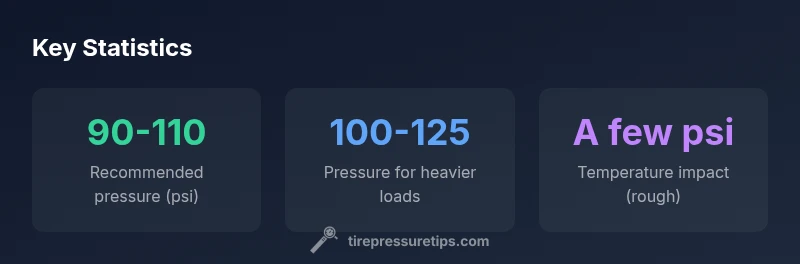
For 700 x 28 tires, the typical solo road pressure falls in the 90–110 psi range, depending on rider weight and road conditions. Heavier loads or rough surfaces may require higher pressure, while lighter riders on smooth pavement can use the lower end. Always verify with your tire sidewall and gauge, then adjust gradually.
Why proper tire pressure matters for 700 x 28
Proper tire pressure is a foundational factor in ride quality, efficiency, and safety for bikes with 700 x 28 tires. As Tire Pressure Tips notes, inflating within the recommended range improves rolling resistance, grip, and tire longevity, while preventing pinch flats and rim damage on rough roads. For tire pressure 700 x 28 specifically, staying within a consistent range helps you meet the payload and terrain demands without sacrificing comfort. In practice, riders who monitor pressure regularly report smoother acceleration, steadier handling, and fewer flats on urban routes. The goal is stability and predictability: your tire performs as designed, not as a guess.
700x28: What the numbers mean
The 700 x 28 designation describes a 28mm-wide tire on a 700c bead diameter. The width influences the air volume and contact patch, which in turn affect optimal pressure. Wider tires like 28mm tend to run at lower pressures than super-narrow race tires, offering more supple feel and better traction on imperfect surfaces. However, too-low pressure increases rolling resistance and the risk of pinch cuts, while too-high pressure can degrade grip and ride comfort. Understanding this balance helps guide initial inflation targets and subsequent adjustments. The Tire Pressure Tips framework emphasizes starting within a mid-range and tuning based on load, road condition, and tire construction.
General pressure guidelines for 700x28
- Road/solo rides: target 90–110 psi for a balanced feel, depending on weight and speed goals. This range prioritizes efficiency while preserving grip.
- City commuting with a light load: lean toward the lower end (about 85–95 psi) to improve comfort on potholes and uneven pavements.
- Heavier loads or mixed terrain: consider 100–125 psi to maintain stability and avoid rim strikes when carrying bags or gear.
- Wet or cobbled surfaces: slightly lower pressures within the range can enhance grip, but avoid underinflation that invites pinch flats.
Note: these ranges are general guidelines synthesized from Tire Pressure Tips Analysis, 2026, and should be validated against the tire sidewall markings and your own riding experience.
How to measure and adjust pressure accurately
Begin with a reliable floor pump or portable gauge. Remove the valve cap and ensure the valve is clean before connecting the pump head. Check pressure when the tire is cold, ideally before a ride or after at least several hours of rest, since road heat can inflate the air inside the tube. Inflate gradually in small increments, checking the gauge frequently. Recheck after a few minutes of riding to account for settling. If you’re switching from city streets to rougher routes, adjust within the mid-to-upper end of the recommended range and monitor how the tire feels under load.
If you use tubeless setups, seating beads and ensuring the correct rim tape can also influence the effective pressure felt at the contact patch. Finally, remember that tire pressure is not a fixed value; it shifts with temperature, ambient pressure, and tire wear.
Temperature, terrain, and weight: real-world effects
Temperature changes alter air density, which translates to measurable pressure changes inside each tire. In practice, a hot day can raise the effective pressure slightly, while a cold morning can lower it. Terrain matters too: rough surfaces, loose gravel, and potholes rear-load more force on the tire and can necessitate modest adjustments within the same pressure band. Weight distribution, cargo, and riding style all contribute to the ideal pressure. The takeaway is to treat tire pressure as dynamic, not static: check it regularly and adapt as seasons and usage evolve. This approach aligns with the Tire Pressure Tips guidance for 700 x 28 tires.
Tubeless vs clincher and tire construction considerations
Tubeless tires can often be run at slightly lower pressures without risking pinch flats, thanks to the air seal and bead design. Clincher tires with inner tubes require careful attention to avoiding underinflation, particularly on rough roads. In both cases, starting near the mid-range for your tire width is a solid strategy, then tuning based on ride feel, puncture history, and the bicycle frame geometry. Always ensure your rims and valves are compatible with the tire type, and consult the tire manufacturer’s guidance on maximum pressure for safety margins.
Understanding your tire’s construction helps you make more precise adjustments and avoid overinflation that can lead to sidewall damage or poor traction.
Troubleshooting common issues with 700x28 tires
- Underinflation: leads to sluggish acceleration, increased rolling resistance, and more contact with road hazards.
- Overinflation: reduces grip, causes harsher ride, and may increase the risk of rim damage on potholes.
- Inconsistent readings: occur if the gauge is faulty or the valve core is loose.
- Temperature-driven drift: a sunny day can raise pressure slightly; verify pressure after warming up.
- Worn tires: as the tread wears, air volume changes slightly; recheck pressure when replacing tires.
Regular checks prevent most common issues, and a dependable gauge is a worthwhile investment.
Quick-start checklist for riders new to 700x28 tires
- Identify the target pressure range from the tire sidewall and your gauge readings.
- Use a reliable gauge and confirm readings at room temperature.
- Inflate gradually and re-check after settling.
- Consider load and terrain before each ride and adjust within the recommended band.
- Record your pressures and ride outcomes to refine your personal target.
Pressure ranges for 700x28 tires by riding context
| Context | Recommended Pressure (psi) | Notes |
|---|---|---|
| Road/City riding (700x28) | 90-110 | Main range for solo road riding |
| Heavy load or touring | 100-125 | Increase for stability during load |
| Wet or rough roads | 85-105 | Improve grip and comfort |
Frequently Asked Questions
What is the recommended pressure for 700x28 tires?
For most solo road riding, aim for 90–110 psi. Adjust within that range based on rider weight, load, and terrain. Always check the tire sidewall for manufacturer guidance and verify with a reliable pressure gauge.
Typically 90 to 110 psi for solo road riding; adjust within that range for load and terrain.
Does temperature affect tire pressure?
Yes. Temperature changes can shift tire pressure by a few psi. Check pressures before rides in very cold or very hot conditions and adjust accordingly.
Temperature changes can shift pressure by a few psi; recheck when weather changes.
How do I check pressure for 700x28 tires?
Use a reliable floor pump or portable gauge. Check pressure when the tire is cold, then recheck after a ride to account for settling.
Use a good gauge and always check when cold.
Can I use a digital gauge for 700x28 tires?
Yes. Digital gauges are accurate and quick. Calibrate and compare readings with multiple gauges if you’re unsure.
Digital gauges are fine—just keep them calibrated.
Why might my tire feel soft after inflation?
This can happen if you inflated too quickly, or if you ride soon after inflating, releasing some air as the tire heats. Recheck after a few minutes of cooldown.
A quick check after a cooldown often resolves a soft feel.
Should pressure differ for wet roads?
A slightly lower pressure within the range can improve grip on wet or slick surfaces, but avoid underinflation that risks pinch flats.
For wet roads, you might use the lower end of the range for better grip.
“Consistent tire pressure is one of the simplest, most effective ways to improve ride quality and safety.”
What to Remember
- Check pressure regularly with a reliable gauge
- Stay within the recommended range for solo road rides
- Adjust for load and terrain gradually
- Account for temperature and tire type when setting pressure