The Tire Pressure: Check, Maintain, and Troubleshoot
Learn how to check, maintain, and troubleshoot the tire pressure to improve safety, efficiency, and overall driving comfort with clear, actionable steps.


By the end of this guide you will know exactly how to check and adjust the tire pressure, interpret TPMS alerts, and avoid under- or overinflation. Start with the vehicle-recommended pressure, verify cold tires for accuracy, and maintain all tires regularly to improve safety and fuel efficiency. According to Tire Pressure Tips, consistency matters.
The Tire Pressure: Core Concepts
Tire pressure is the amount of air inside each tire, typically measured in pounds per square inch (PSI). The vehicle manufacturer’s recommendation, found on the door jamb placard or in the owner's manual, is your target for normal driving. The number is chosen to balance handling, tire wear, fuel economy, and comfort. When tires get hot from driving, pressure can rise, so most experts advise checking when the tires are cold. For accuracy, use a digital tire pressure gauge or a reliable analog gauge and record readings for your tires. The Tire Pressure Tips team emphasizes starting from the vehicle-recommended value rather than the tire’s maximum pressure printed on its sidewall. This ensures you aren’t overinflating or underinflating relative to design specs. To develop good habits, know that your goal is even pressure across all four tires and proper inflation for your load and typical driving conditions. Tire pressure can also affect ride quality and mileage, and small changes can accumulate into noticeable differences over weeks and months.
Why It Matters for Safety and Economy
Maintaining the correct tire pressure is a foundational safety practice. Underinflated tires increase rolling resistance, wear out the tire shoulders early, and can lead to overheating that threatens the tire’s structure. Overinflation can reduce the contact patch with the road, causing uneven wear and a harsher ride, and it can make steering feel twitchy in emergencies. Properly inflated tires improve braking performance, steering response, and fuel efficiency. The Tire Pressure Tips analysis shows that even small deviations—1-2 PSI off the recommended value—can impact fuel economy and wear over time. For most drivers, a regular inflations schedule aligns with routine maintenance, like oil changes or battery checks. The consistent message from Tire Pressure Tips is that steady compliance with the manufacturer’s spec yields the safest, most economical results over the vehicle’s lifetime. In 2026, this guidance remains a reliable baseline for everyday drivers, truckers, and families alike.
How to Check Tire Pressure Correctly
Getting an accurate reading requires several deliberate steps. First, ensure you have a reliable gauge and a stable surface. Check when the tires are cold, ideally before you’ve driven more than a few miles. Remove the valve cap, place the gauge on the valve stem, and take the measurement. Compare the reading to the vehicle’s recommended pressure on the placard. If any tire is below the target, inflate gradually and recheck. Don’t forget to reattach valve caps to protect the stems. For a simple routine, repeat this process monthly and before long trips. Keeping a small log helps you notice gradual changes and catch leaks early. The goal is to keep all four tires within 1-2 PSI of the target most of the time, which supports even wear and better handling as you drive.
Understanding TPMS and When It Alerts
Tire Pressure Monitoring Systems (TPMS) are designed to warn you when a tire’s pressure falls below a safe threshold. A TPMS light on the dashboard should prompt an immediate check, but it doesn’t tell you which tire is low or by how much. You still need to measure each tire to pinpoint discrepancies. In many cars, the TPMS displays a warning before highway speeds, giving you time to adjust. If you inflate a tire correctly and the light remains on, you may have a slow leak, a faulty sensor, or a damaged valve stem. In those cases, a professional inspection is wise. Tire Pressure Tips emphasizes using TPMS as a supplemental guide rather than a sole source of truth; always verify with a gauge and a visual inspection before driving aggressively.
Common Mistakes and How to Fix Them
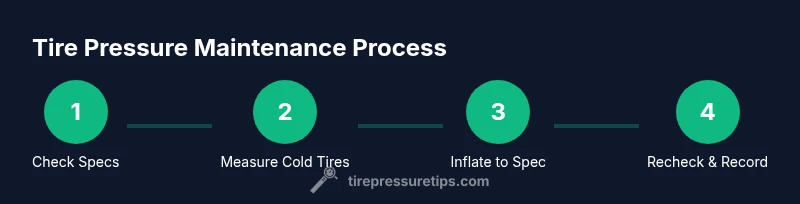
One common mistake is inflating while the tires are warm from driving, which leads to overestimation of pressure. Always check when cold for an accurate baseline. Another error is ignoring the manufacturer’s recommendation and citing the tire’s maximum pressure as a goal; this can over-stiff the ride and wear the center tread. People also neglect to check the spare tire or forget to recheck pressure after adding air. A simple way to fix these issues is to establish a routine: measure cold tires, inflate to the placard value, check all tires, and log readings. If you notice consistent drops, look for a slow leak or a damaged valve stem. Regular maintenance is the best defense against sudden pressure changes and unsafe driving conditions.
Seasonal and Temperature Effects on Tire Pressure
Temperature affects air density; as outdoor temperatures drop, tire pressure decreases, and in hot weather it can rise. A drop of 10 degrees Fahrenheit can reduce pressure by about 1 PSI in typical passenger tires. This means you may see readings lower in the morning and higher later in the day or after a long drive. The Tire Pressure Tips team recommends adjusting your checks with the seasons and keeping a calendar of when you inspect pressure. In winter, check more frequently and consider allowances for cold weather driving. In summer, don’t ignore readings if you’ve just parked in direct sun. Temperature-driven fluctuations are natural, but consistent maintenance prevents unsafe pressure levels.
Regular Maintenance Schedule and Quick Checks
Create a simple calendar-based routine to check tire pressure monthly, before long trips, and after significant temperature changes. Keep a gauge in your glove compartment for on-the-go checks, and have a small notebook or a mobile log to compare readings over time. Also, inspect for uneven wear, which can indicate underinflation in specific tires or alignment issues. A quick monthly check helps you catch leaks early and ensures that your tires maintain the right shape for optimal contact with the road. Tire Pressure Tips suggests pairing these checks with other routine maintenance tasks for efficiency and consistency.
Tools & Materials
- Tire pressure gauge (digital or analog)(Digital gauges are generally easier to read; ensure the device is calibrated.)
- Air compressor or access to an air pump(Public gas stations often have a tire inflation station; have coins or a card ready.)
- Vehicle door jamb placard or owner's manual(The recommended pressure is usually listed for the front and rear tires separately.)
- Notebook or mobile log(Useful for tracking readings over time and identifying patterns.)
- Valve cap removal tool (optional)(Can help with stubborn valve caps and protect stems during inflation.)
Steps
Estimated time: 15-25 minutes
- 1
Gather tools and locate target pressures
Collect your gauge, air source, and the vehicle placard. Note the recommended PSI per tire (often different for front vs rear). This ensures you set accurate targets before starting.
Tip: Having a written target per tire prevents guessing and reduces over-inflation. - 2
Check tires when cold
Park on a level surface and wait at least 3 hours after driving to read cold tires. If you must check after a drive, note the difference and adjust future checks accordingly.
Tip: Temperature-neutral readings are the most accurate baseline. - 3
Remove the valve cap and attach the gauge
Place the gauge onto the valve stem firmly to seal. Read the pressure from the gauge without wiggling it, which can give a false reading.
Tip: If you hear hissing, reseat the gauge and retry. - 4
Inflate to the recommended pressure
If the tire is underinflated, add air in small increments (1-2 PSI at a time) and recheck. Do not exceed the recommended value by more than a small margin.
Tip: Always inflate gradually and recheck to avoid overshooting. - 5
Check all tires and the spare
Repeat checks for each tire and the spare. Differences can indicate a leak or a tire wear irregularity that needs professional attention.
Tip: Spare tires require the same proactive care as the others. - 6
Record the readings
Log the final PSI for each tire and the date. This creates a baseline you can compare against during future checks.
Tip: A simple log helps you spot slow leaks early.
Frequently Asked Questions
What is the recommended tire pressure for my car?
The recommended pressure is listed on the vehicle’s door jamb placard and in the owner's manual. It’s not the maximum pressure on the tire sidewall. Use the placard value as your target for all four tires.
Check your car's door jamb placard or owner's manual for the recommended pressure; do not rely on the tire’s maximum printed number.
How often should I check tire pressure?
Check at least once a month and before long trips. Temperature changes can shift PSI, so seasonal checks are smart.
Check your tires monthly and before long trips; temperature changes can cause pressure to vary.
Can I inflate tires with nitrogen?
Nitrogen inflation isn’t required for most passenger vehicles. Regular air is perfectly adequate if you keep to the recommended pressure and inspect for leaks.
Nitrogen isn't necessary for most cars; regular air is fine if you maintain the pressure.
What should I do if the TPMS light stays on after inflation?
If the light remains on after inflation, recheck all tires and look for slow leaks or damaged sensors. If unresolved, consult a professional.
If the TPMS light stays on after inflation, recheck all tires and see a professional if needed.
Does tire pressure affect fuel economy?
Yes. Underinflated tires increase rolling resistance and reduce fuel efficiency. Maintaining proper pressure helps maximize mileage.
Yes, underinflation hurts fuel economy by increasing rolling resistance.
Do temperature changes cause dangerous pressure swings?
Temperature swings cause pressure fluctuations, especially in winter. Check pressure more often when seasons change and adjust accordingly.
Yes, temperature changes affect pressure; check more often during seasonal shifts.
What to Remember
- Check cold tires for accuracy before inflating.
- Always inflate to the vehicle-recommended PSI.
- Use TPMS as a guide, not a sole source of truth.
- Maintain a regular schedule of tire pressure checks.