Tire Pressure on Tire: A Practical How-To Guide
Learn how to check tire pressure on tire, interpret TPMS readings, and maintain proper inflation for safety, efficiency, and tire wear. Follow our step-by-step instructions, needed tools, common pitfalls, and expert tips from Tire Pressure Tips.


By following this guide, you will learn how to accurately check tire pressure on tire, interpret TPMS readings, and adjust inflation for safety, efficiency, and tire life. You will need a gauge and an inflator, and remember: readings should be taken when tires are cold. This steps-based approach helps drivers maintain optimal pressure consistently.
Why correct tire pressure matters
Maintaining the correct tire pressure is a foundational safety habit for every driver. Proper inflation affects grip, braking response, tire wear, and fuel efficiency. Under-inflated tires run hotter, wear on the edges, and can increase rolling resistance, while over-inflated tires wear the center of the tread and reduce grip on wet surfaces. Getting it right reduces the chance of flats and blowouts on the road. According to Tire Pressure Tips, the simplest way to protect tire safety and performance is to make pressure checks a regular, short routine. The concept of tire pressure on tire emphasizes that the pressure you see printed on a label should be matched on the actual tires when cold, since heat and driving can skew readings. This article uses a practical, step-by-step approach to help you check, interpret, and adjust inflation with confidence, even if you are new to tire care. In addition, treating tire pressure as a regular maintenance task can improve overall vehicle performance, from steering feel to braking confidence. As you read, you’ll notice how small adjustments make big differences—this is why Tire Pressure Tips emphasizes consistent checks as part of a broader maintenance routine.
Understanding the impact of proper inflation goes beyond a single trip. Correct pressure helps prevent uneven tread wear, ensures a larger contact patch under load, and preserves tire shape during cornering. It also helps preserve fuel economy by reducing rolling resistance, which can save money over the long term. While it’s tempting to rely on a single reading, remember that tire pressure fluctuates with ambient temperature, road conditions, and driving patterns. This is a core reason why the Tire Pressure Tips team recommends checking pressure when tires are cold and before extended driving. The goal is to establish a habit: park, check, adjust, and document. If you own a modern car with TPMS, readings will guide you, but you should still verify with a gauge for accuracy. The phrase tire pressure on tire denotes the practical outcome of your checks—maintaining a safe, balanced inflation level on every tire. Keep reading for a practical, steps-focused method you can apply at home or on the road, with clear reasons behind each action.
Understanding TPMS and readings variations
TPMS, or Tire Pressure Monitoring System, is designed to alert you when pressure drops too far in one or more tires. There are two main types: indirect TPMS, which uses wheel speed data to infer pressure changes, and direct TPMS, which measures actual pressure with sensors inside the tires. Both types influence how you interpret readings. Temperature affects tire pressure; as tires warm up from driving, pressure rises, while cold starts drop the reading. This is why gas-station checks after a long drive can be misleading if you measure immediately after a trip. The Tire Pressure Tips Analysis, 2026, emphasizes that TPMS warnings should prompt a follow-up check with a gauge regardless of the displayed number. A reliable practice is to check the pressure when the tires are cold and compare the gauge reading to the vehicle’s recommended specification. If TPMS readings and manual gauge readings disagree, trust the gauge and investigate potential sensor faults or valve stem issues. Being aware of TPMS limitations helps you avoid over-reliance on the display and reinforces the value of a physical measurement. The Tire Pressure Tips Team stresses that your ultimate goal is consistent, safe inflation that supports tire longevity and fuel efficiency without sacrificing handling.
Tools and prep for checking tire pressure on tire
Before you start, gather a few essential tools: a reliable tire pressure gauge, an air inflator or compressor, and a clean rag to wipe the valve stem when taking a reading. If you own a modern vehicle, your TPMS is likely monitoring each tire; however, readings can be off if you measure hot tires or after driving. Prepare a simple notebook or app log to record the current pressures and the target pressures for each tire. Place the car on a level surface, set the parking brake, and remove any jewelry or loose items that could distract you during the process. Checking the spare tire is a best practice too, especially for drivers who carry a space-saver or a full-size spare. The tools you’re about to use should provide accurate readings to within a small fraction of a PSI, helping you achieve a precise inflation target. When you’re ready, take stock of your environment: avoid extreme heat or direct sun, since heat can temporarily raise readings. The Tire Pressure Tips guidance recommends keeping a dedicated gauge in your glove compartment for quick checks, so you can maintain tire pressure on tire without needing to borrow a gauge from a neighbor or a gas station. Finally, remember that your readings should reflect the cold-tire baseline for accuracy and consistency.
How to measure and adjust: a practical procedure
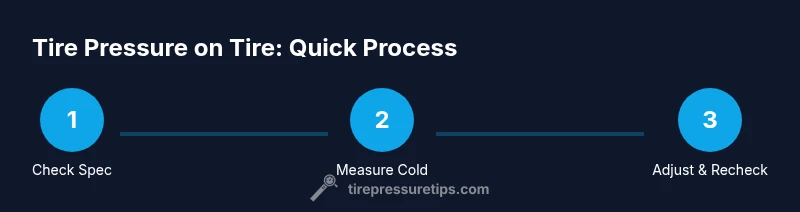
When you measure tire pressure, start with the tire cold and parked for at least a few hours to stabilize temperature. Locate the vehicle’s recommended pressure in the door jamb placard or manual and record the numbers for front and rear tires. Attach your gauge to the valve stem, press firmly to get an accurate reading, and compare it to the recommended value. If the measurement is too low, add air in small increments, then recheck after each adjustment. If it’s too high, release air slowly until you approach the target range. After adjusting, recheck all four tires and the spare to ensure consistency. If TPMS is illuminated, perform a final check with a gauge to confirm you’ve achieved the correct pressure, as sensors can lag or be at fault. In every step, keep in mind the practical benefit of correct tire pressure on tire: safer handling, better road feel, and longer tire life. Tire Pressure Tips recommends continuing to monitor regularly and adjusting for changes in temperature, load, and driving style. A disciplined routine reduces the risk of under- or over-inflation, helping you avoid costly wear and unexpected issues on the road.
Common mistakes and maintenance routine
A frequent pitfall is relying solely on TPMS or a single gauge reading. Always verify with a manual gauge, especially after seasonal changes or after inflating with a high-volume compressor. Another mistake is ignoring the spare tire; even space-saver spares require periodic pressure checks. Waiting too long between checks is also common; a quick monthly check aligns with manufacturer guidance and supports safer driving. When inflating, avoid over‑inflation by inflating in small increments and deflating if you overshoot the target. Temperature can affect readings, so consider checking in the morning or after the vehicle sits overnight. The Tire Pressure Tips Team notes that inflating to the correct pressure improves fuel economy, tire wear, and cornering stability. To maintain ongoing accuracy, log each tire’s pressure and the date you checked it, so you can identify drift over time. Finally, replace worn or damaged gauges or hoses, as poor accuracy undermines all other steps. Adhering to these practices creates a reliable maintenance habit that protects safety and performance on every trip, reinforcing the idea that tire pressure on tire is not a one-off task but a ongoing one.
Seasonal changes and safety considerations
Temperature swings have a meaningful effect on tire pressure. In colder months, pressures drop, and in hot months, pressures rise. As a result, checks should be performed more frequently during transition seasons. If you drive longer distances or carry heavy loads, inflation targets may shift slightly to accommodate the extra weight. Always aim to bring tires to the recommended range when cold, then validate after a short drive or a period of cooling to ensure the tires do not gain or lose pressure too quickly. A well-calibrated TPMS can warn you of dangerous declines, but it should not replace a manual gauge check. The Tire Pressure Tips analysis highlights that routine checks help you detect slow leaks, valve stem issues, or punctures early, reducing the risk of a blowout while preserving fuel efficiency and tire life. In addition, keep an eye on weather forecasts; humidity and temperature changes can influence tire behavior, so plan adjustments accordingly. By integrating seasonal awareness into your routine, you’ll stay safer and more confident while driving, and you’ll extend the life of your tires through stable, accurate pressures all year long.
Tools & Materials
- tire pressure gauge(Prefer a digital gauge for precision; keep spare batteries if needed)
- air compressor or inflator(Ensure it has a built-in gauge or bring a separate gauge for cross-checking)
- valve stem tool or clean rag(Rag helps wipe the stem before reading; remove dirt to improve accuracy)
- notebook or digital log(Record tire pressures, target values, and dates for trend tracking)
- spare tire pressure gauge(Useful backup if your primary gauge fails)
Steps
Estimated time: 20-30 minutes
- 1
Identify the recommended tire pressure
Locate the vehicle’s recommended front and rear tire pressures on the door jamb sticker or in the owner's manual. Note any differences between the axles and between the tire sizes if you have a spare or temporary tire. This establishes your target for all subsequent steps.
Tip: Always start from the cold baseline; readings taken after driving give higher numbers and can mislead you. - 2
Gather and inspect your tools
Assemble a reliable gauge and an inflator. Check the gauge for accuracy by testing it on a known-pressure source if possible. Ensure the inflator’s nozzle fits the valve stems cleanly to prevent leaks while inflating.
Tip: A digital gauge can reduce misreadings; use a metal stem cover if you have one to protect the valve. - 3
Check all tires while cold
Park the car on a level surface and wait several hours since last drive before taking readings. Remove dust or dirt from the valve stems so readings aren’t affected by debris. Read each tire’s pressure with the gauge and compare to the vehicle’s recommended values.
Tip: Do not rely on a gauge reading taken after a drive, as heat increases pressure readings and can mislead you. - 4
Inflate or deflate to target pressure
If a tire is low, add air in small increments and recheck after each addition. If high, release air gradually, rechecking the pressure after each adjustment. Repeat until all four tires are within target ranges, including the spare if you check it regularly.
Tip: Aim for a small margin around the target; avoid chasing an exact decimal unless you have precise equipment and conditions. - 5
Recheck and let tires settle
After inflation, wait a few minutes to let the tire settle, then recheck. If you’ve adjusted, do a second reading to confirm stability. This reduces drift due to temperature changes and valve stem settling.
Tip: If you’ve inflated in a high-pressure environment, move to a cooler area before rechecking to prevent heat-related overestimates. - 6
Check spare tire and record results
Don’t forget the spare tire; it also needs to hold a reasonable pressure. Log the readings and the date so you can track trends over time. Review your tire pressure on tire routine and set a reminder for monthly checks or seasonal shifts.
Tip: Make a quick notebook entry or digital note so you don’t forget when to re-check. - 7
Final sanity check
Do a final pass on all tires, including any unique models or sizes present on your vehicle. If TPMS readings differ widely from gauge readings, consider a sensor check or valve stem inspection. The goal is consistent, safe inflation for every tire.
Tip: If TPMS warnings persist, consult a professional to verify sensor health or potential leaks.
Frequently Asked Questions
Why is checking cold tire pressure important?
Cold readings reflect the car’s intended pressures and aren’t affected by heat from driving. This ensures consistency and safety across trips. Always start measurements after tires have cooled.
Check tire pressure when the tires are cold to get an accurate baseline and keep readings consistent.
How often should I check tire pressure?
Aim to check monthly and before long trips, especially when changing seasons. Temperature shifts can cause noticeable pressure changes, so regular checks help prevent under- or over-inflation.
Check your tires once a month and before long trips to account for seasonal changes.
What if TPMS shows a warning but my gauge reads normal?
TPMS can alert to slow leaks or sensor issues. If readings are normal on a gauge, recheck after cooling and consider inspecting sensors or valves if the warning persists.
If TPMS warns but readings seem normal on a gauge, recheck and inspect the TPMS system for faults.
Can I inflate tires to the maximum sidewall pressure on the tire?
No. Always inflate to the manufacturer’s recommended range, not the maximum sidewall value. Over-inflation can reduce grip and cause uneven wear.
Never inflate to the maximum sidewall rating; use the recommended range instead.
Should I check the spare tire pressure as well?
Yes. The spare also needs to be ready for use in an emergency. Check it periodically and ensure it holds adequate pressure.
Yes—don’t forget the spare; verify its pressure periodically.
What tools do I need for accurate tire pressure checks?
A reliable gauge and a calibrated inflator are essential. Optional items include a valve core tool and a log to track readings over time.
You’ll want a good gauge and inflator; keep a log to track changes.
Watch Video
What to Remember
- Check cold tires against the vehicle spec before driving.
- Use a reliable gauge and inflate in small steps.
- TPMS supplements, not replaces, manual readings.
- Keep a simple log of tire pressures for trend tracking.
- Regular checks extend tire life and improve safety.