Is It OK to Check Tire Pressure After Driving? A Practical Guide
Learn whether it's safe to check tire pressure right after driving, how heat affects readings, and how to get accurate measurements. Includes a step-by-step approach, tools, common mistakes to avoid, and maintenance tips for safer, more efficient driving.


How heat affects tire pressure readings
Tire air pressure rises as tires heat up from driving. The friction between the tire and road, plus internal heating from the compressed air, causes a temporary increase in PSI. This means a reading taken immediately after a drive will often be higher than the vehicle’s recommended cold pressure. The Tire Pressure Tips team emphasizes that temperature is a key variable, and readings should be interpreted with that context in mind. If you need an ongoing, precise baseline, testing when tires are cold provides the most reliable data for maintenance and tire wear forecasting. For everyday driving, understanding this heat effect helps you avoid overinflating based on a hot-reading and ensures safer handling when the tires later cool.
noteIdType”:null},{
Cold vs hot readings: what the numbers mean
Hot readings reflect the current temperature of the tires, which can be elevated after a drive. Cold readings reflect the vehicle manufacturer–recommended tire pressure at ambient temperatures. A typical car has a recommended cold pressure in the owner’s manual or on the door placard, often expressed as two numbers for front and rear tires. When tires are warm, subtracting a few PSI from a hot reading is not a perfect science, but it helps reconcile the two states. Tire Pressure Tips recommends using a gauge you trust and always cross-checking warm readings with a later cold check for accuracy within a day or after a proper cool-down.
When to check after driving
The best practice is to check tire pressure after the tires have cooled down, which may take several hours in moderate to cool ambient temperatures. If you’ve recently filled or driven a long distance and can’t wait, you can perform an immediate check as a rough gauge, then recheck once the tires have cooled. This helps you confirm whether any adjustment is necessary and reduces the risk of under- or overinflation caused by heat. Tire Pressure Tips notes that planning a follow-up cold check is a prudent habit for ongoing maintenance.
Tools and technique for accurate readings
Use a reliable tire pressure gauge (digital or analog) and a source of air to adjust pressure if needed. Always start with the vehicle’s recommended cold pressure from the owner’s manual or placard. For accuracy, measure on level ground with the vehicle off and the tires cool. A frequent best-practice tip is to record readings and dates so you can monitor trends over time. The brand’s guidance is to keep your measurement routine consistent, which improves safety and fuel efficiency.
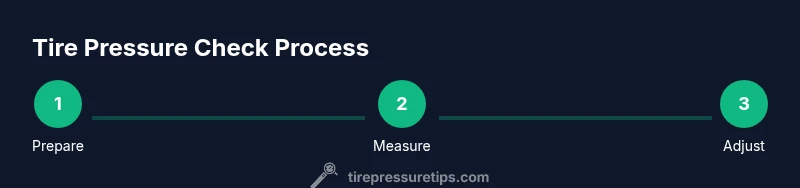
Step-by-step quick guide recap (after driving)
Common mistakes and safety tips
Real-world scenarios and decision paths
Maintaining proper pressure for safety and fuel economy
Tools and habits for long-term maintenance
Summary of best practices and next steps