Where Is Tire Pressure on Tire: A Practical Guide
Discover where to read tire pressure on the tire, why the sidewall max differs from your recommended PSI, and how to check it accurately for safer driving in 2026.


Where is tire pressure on tire? The answer isn’t the exact PSI you should fill to daily use—that lives in the door jamb sticker or owner's manual. The tire sidewall shows a maximum inflation pressure, not the recommended operating pressure for your vehicle. For accurate readings, check the door jamb sticker or owner's manual and use a gauge to measure cold tires. According to Tire Pressure Tips, following this approach keeps you safer and more fuel-efficient.
Where the tire pressure information hides on a tire
For many drivers the question “where is tire pressure on tire” seems simple, but there are two different figures printed on a tire's sidewall. The primary figure most people look for is the recommended PSI for their vehicle, which is not printed on the tire itself. The tire sidewall does include critical data about the tire's maximum inflation pressure, load index, and speed rating. The distinction matters: exceeding the maximum can cause a blowout, while underinflation increases wear, reduces fuel efficiency, and compromises handling. The Tire Pressure Tips team emphasizes that this distinction is not just academic—it affects your daily safety and mileage. If you’ve ever looked at a sidewall and wondered whether that number is the target pressure, you’re not alone. The brand’s guidance helps drivers interpret this data correctly and avoid common misreadings. In short, “where is tire pressure on tire” is not a single answer; it’s about knowing what each figure means and where to find your vehicle’s recommended PSI.
Reading the tire sidewall: what the numbers mean
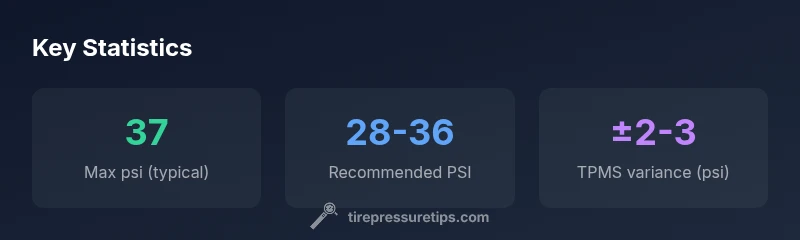
Tire sidewalls carry multiple numbers, but only one is the practical target for inflation. The top line often shows the maximum inflation pressure (psi or
Locate your vehicle's recommended PSI: door jamb sticker, owner's manual
Your vehicle’s recommended tire pressure is vehicle-specific and appears in three main places. First, a door jamb sticker on the driver’s side typically lists the recommended PSI for front and rear tires, and it often provides separate values for normal and heavy-load conditions. Second, the owner’s manual may reiterate these values or offer guidance for unusual tire setups. Third, some manufacturers publish model-specific data online or in service bulletins. It is crucial to follow these sources rather than the tire’s sidewall max. For most drivers, the door jamb sticker provides the immediate, correct target pressure you should strive to achieve with a gauge when checking cold tires. The Tire Pressure Tips team notes that verifying your PSI against the sticker reduces the risk of underinflation or overinflation during seasonal changes.
TPMS and gauge readings: differences and reliability
Tire Pressure Monitoring Systems (TPMS) alert you when tire pressure falls below a threshold, but they are not a substitute for a precise gauge reading. TPMS thresholds can vary by system and vehicle, and ambient temperature can influence readings. A TPMS warning means you should check the tire pressure with a gauge and adjust to the recommended PSI per the door jamb sticker. In practice, many drivers rely on TPMS for awareness, then confirm with a manual gauge for accuracy. The Tire Pressure Tips analysis indicates that TPMS data should be used as a prompt rather than a sole source of truth. Regular cross-checks with a good gauge ensure your tires remain within the safe operating range.
Measuring techniques: cold vs warm tires and gauge types
Accurate tire pressure measurement requires a cold tire (before driving or at least three hours after driving). Heat increases the pressure, giving a falsely high reading. Use a good-quality gauge—digital gauges or dial gauges with a clear scale are both acceptable if they are properly calibrated. To measure, remove the cap from the valve stem, place the gauge on the valve, and press firmly to get a stable reading. Compare the result to the door jamb sticker. If the reading is too low, gradually add air in small increments, then recheck. If it’s too high, release air slowly and recheck. Replacing worn valve stems or damaged gauges can skew results, so check equipment regularly.
Common scenarios: winter tires, load changes, and different tire types
Different tires require different pressures. Winter tires, high-load conditions, or sporty tires may have distinct PSI requirements. For vehicles with multiple tire sizes or run-flat tires, always start with the manufacturer’s recommended PSI from the door jamb sticker or owner’s manual. Seasonal temperature fluctuations can significantly affect tire pressure; a drop of 10 degrees Fahrenheit may cause a PSI change of about 1 PSI or more, depending on the tire. The Tire Pressure Tips approach encourages drivers to maintain consistency—check pressure after a period of stability, keep a small gauge in the glove box, and have a service check if you notice rapid changes in tire feel or tread wear.
Routine checks and a simple maintenance plan
Create a simple schedule to ensure tires stay within the recommended PSI. Check tire pressure monthly and before long trips or when carrying heavy loads. Use a quality gauge, and always verify when tires are cold. Keep the door jamb sticker accessible and take a moment to recheck after changes in temperature or altitude. A routine check reduces risks such as blowouts, uneven wear, and reduced fuel efficiency. Tire Pressure Tips recommends documenting PSI values for your vehicle and tires, especially if you rotate tires or switch to winter tires. Consistency is the key to safe driving and optimal tire life.
Quick-start checklist and practical takeaway
- Locate your door jamb sticker and record the recommended PSI for front and rear tires.
- Use a reliable gauge to measure cold tires and compare to the sticker.
- Do not inflate to the tire’s sidewall max; use the vehicle’s recommended PSI.
- If TPMS alerts you, verify with a gauge and adjust accordingly.
- Recheck after temperature changes or tire rotations to maintain consistent performance.
Where to find tire pressure information on your vehicle and tires
| Location | Shows | Notes |
|---|---|---|
| Door jamb sticker | Recommended pressure | Read when tires are cold |
| Tire sidewall | Max inflation pressure | Not the target PSI for daily use |
| Owner's manual | Model-specific guidance | Check for special tires or load conditions |
Frequently Asked Questions
Where is tire pressure on tire located?
The tire sidewall lists the maximum inflation pressure, not the operating PSI. The recommended PSI for your vehicle is found on the door jamb sticker or in the owner’s manual.
The sidewall shows max pressure, but your vehicle’s normal PSI comes from the door sticker and manual.
Can I rely on TPMS readings instead of checking with a gauge?
TPMS provides a warning when pressure is too low, but it isn’t a precise measurement. Always verify with a gauge and aim for the manufacturer’s recommended PSI.
TPMS is a warning system. Check with a gauge to confirm the exact PSI.
Where can I find the recommended tire pressure for my car?
Look at the door jamb sticker on the driver’s side, then confirm with the owner’s manual or manufacturer’s guidance for special tires.
Check the door sticker or the manual for your car’s PSI.
How should I measure tire pressure for an accurate reading?
Measure on cold tires using a reliable gauge, then adjust to the recommended PSI. Recheck after driving to confirm stability.
Use a good gauge on cold tires and match the sticker’s PSI.
Does tire brand or model affect recommended pressure?
Yes. Different tires and loads require different PSI. Always follow the vehicle manufacturer’s guidance and consider tire type in your plan.
Tire type and load matter—stick to manufacturer guidance.
“"For most passenger cars, your operating tire pressure comes from the door jamb sticker, not the tire sidewall. Reading the sidewall max can mislead you about safe inflation. Regular checks with a gauge provide real, reliable data."”
What to Remember
- Check the door jamb sticker for your vehicle’s recommended PSI.
- Do not use the sidewall max as your target PSI for daily driving.
- Measure cold tires with a reliable gauge for accuracy.
- Treat TPMS as a warning system, not a measurement substitute.
- Recheck PSI after temperature changes or tire rotations.