How to Get Rid of Check Tire Pressure Light on a 2015 Honda Civic
A practical, step-by-step guide to resolving the Check Tire Pressure warning on your 2015 Honda Civic, with TPMS tips, pressure checks, sensor insights, and preventive advice.


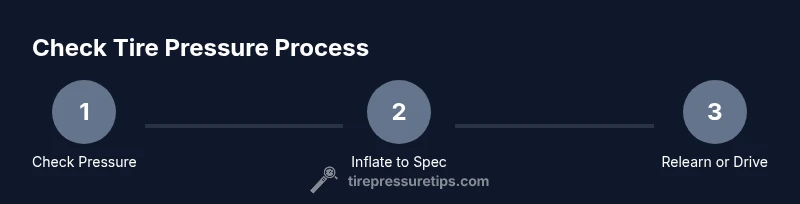
How to get rid of the Check Tire Pressure warning on a 2015 Honda Civic: first, verify each tire’s actual pressure with a reliable gauge and inflate to the vehicle’s recommended PSI. If the warning persists after inflation, attempt the TPMS relearn or drive cycle as described in your owner’s manual. If the light stays on, inspect sensors and valves, check for leaks, and consider a professional TPMS scan.
Why the Check Tire Pressure Light appears on a 2015 Honda Civic
If you’re asking how to get rid of check tire pressure honda civic 2015, the first thing to know is what triggers the warning. The Civic’s TPMS monitors each wheel for proper inflation and will illuminate the dash light if it detects underinflation or a sensor fault. In many cases, the light goes away after inflating tires to the recommended pressure and driving for a short period. However, a stubborn light often signals a sensor issue, a faulty valve stem, or a need for a TPMS relearn. According to Tire Pressure Tips, most alerts arise from underinflation, but sensor faults are not rare—especially after tire changes, weather shifts, or wheel swaps. Understanding this helps you decide whether you simply need to recheck pressures or pursue sensor-related diagnostics.
Quick note on TPMS basics
TPMS uses wheel-mounted sensors to relay pressure data to the car’s computer. If a sensor is damaged or its battery is near end-of-life, the system may report a fault rather than just a low pressure condition. In a Honda Civic from 2015, a mix of tire pressures and sensor health can trigger the light, so addressing both aspects is key.
Real-world implications of TPMS alerts
Driving with a tire that’s underinflated or with a faulty TPMS sensor can reduce fuel efficiency, wear tires unevenly, and increase the risk of a tire failure. The Tire Pressure Tips team notes that consistent, correct inflation is the most reliable way to keep the TPMS light from nagging, but it won’t fix a dead sensor. Treat any persistent warning as a sign to inspect both inflation and sensor integrity.
Tools & Materials
- Digital tire pressure gauge(Calibrated; check all tires when cold for accurate readings)
- Air compressor or access to an air pump(Use at a stable outlet; avoid ad hoc recompression)
- Owner’s manual or door jamb tire-pressure sticker(Identify the recommended PSI values for front and rear tires)
- TPMS relearn tool or access to a professional scan tool(Only needed if the system requires a manual relearn)
- Flashlight(Helpful for tire valve area inspection)
Steps
Estimated time: 30-60 minutes
- 1
Check tire pressures with a gauge
Park on a level surface and check each tire when cold. Remove the valve cap, press the gauge onto the valve stem, and note the reading. Compare against the door jamb sticker or owner's manual. If any tire is low, inflate to the recommended psi and recheck after a few minutes.
Tip: Always verify cold readings; driving heats tires and can falsely raise the reading. - 2
Inflate tires to recommended PSI
Inflate all tires to the value specified on the door sticker or manual. Make sure to equalize pressures across all tires, including the spare, if it’s a sensor-equipped model. Recheck with the gauge to confirm consistency.
Tip: If you don’t have an accurate gauge, visit a gas station with a digital gauge for a precise measurement. - 3
Look for obvious causes of slow leaks
Inspect for nails, screws, or other damage in the tread area that could cause slow leaks. Check the sidewalls for cracks or bulges. If you spot damage, avoid driving long distances and consult a tire shop.
Tip: Small punctures can sometimes seal temporarily, but a professional should assess remaining safety margins. - 4
Inspect TPMS sensors and valves
Visually inspect the valve stems for damage or corrosion and note if any sensor appears loose or misaligned. A damaged valve stem or a failing sensor can trigger the warning even with proper inflation.
Tip: Handle sensors carefully; they are delicate and can be damaged by overtightening tire valves. - 5
Attempt a TPMS relearn or driving cycle
Many 2015 Civics relearn automatically after a few minutes of highway driving at steady speed. If your model requires a manual relearn, follow the procedure in your owner’s manual or use a service tool at a shop.
Tip: If there’s no relearn option on the dash, start with a highway drive at recommended pressures and see if the light clears after a short cycle. - 6
Scan for TPMS faults if the light remains
If inflating and a drive cycle don’t clear the warning, a diagnostic scan can reveal sensor faults, dead batteries, or Bad ECU signals. A shop can perform a TPMS diagnostic to identify a failing sensor.
Tip: Ask for a TPMS test specifically; some shops offer a bundled TPMS diagnosis with wheel alignment services. - 7
Check the spare tire and its sensor (if equipped)
Some Civics include a TPMS-capable spare or a different pressure requirement. If your spare has a sensor, ensure it’s inflated and included in the relearn process if required.
Tip: Don’t assume the spare pressure; misalignment here can also trigger warnings after a tire replacement. - 8
Validate sensor battery health
TPMS sensors use small batteries that deteriorate over time. If the light persists after correct inflation and relearn, the sensor battery may be at end-of-life and require sensor replacement.
Tip: Sensor replacement is usually done by professionals; avoid replacing individual components without confirming the fault. - 9
Confirm safety and decide on next steps
If you still can’t clear the warning, schedule a service visit. A persistent TPMS warning can indicate a systemic issue that needs professional attention.
Tip: Prioritize safety—don’t delay diagnosing a TPMS fault if you notice uneven tire wear, unusual vibration, or slow leaks.
Frequently Asked Questions
What does the Check Tire Pressure light mean on a 2015 Honda Civic?
The light signals the TPMS has detected low tire pressure or a fault in the sensing system. Verify inflation first, then consider a relearn or sensor inspection if the warning persists.
The TPMS light means either low tire pressure or a sensor fault. Check inflation, then relearn or inspect sensors if it stays on.
How do I reset TPMS on a 2015 Civic?
Many Civics relearn automatically after driving at highway speed with tires inflated to spec. If your model requires manual relearn, follow the steps in the owner's manual or use a TPMS tool at a shop.
Most Civics relearn by driving; if needed, use the manual steps in the manual or ask a shop to perform a relearn.
What if the light returns after inflation and relearn?
A persistent light can indicate a faulty sensor or a dying battery. A diagnostic scan by a professional can pinpoint the fault and guide sensor replacement if needed.
If it stays on after relearn, have a shop diagnose the TPMS sensors for faults or battery health.
Can I drive with a TPMS warning?
If the tires are inflated to the correct pressure and there’s no obvious leak or damage, driving is generally safe for short distances. Do not ignore ongoing warnings and consult a professional if unsure.
You can drive briefly if tires are properly inflated, but don’t ignore the warning—get it checked soon.
Does a tire change affect TPMS?
Yes. After changing tires, the TPMS may require a relearn to register the new sensors and tire positions. Follow the manual or visit a shop for a relearn.
Tire changes often require a TPMS relearn so the system recognizes the new tires.
What should I inspect besides tires to fix the light?
Check valve stems for leaks, inspect wheel rims for damage, and ensure the spare if equipped with a TPMS appears inflated and functional.
Check valves, rims, and spare tire condition in addition to tire inflation.
How long do TPMS sensors last?
TPMS sensors are designed for long service life, but batteries can degrade. If a warning persists, a sensor health check is recommended.
TPMS sensors usually last several years, but batteries can wear out.
Where can I get TPMS help near me?
Many automotive shops offer TPMS diagnostics and relearns. If you’re unsure, start with a tire service center or your Honda dealership.
Visit a tire shop or dealership for a TPMS diagnostic and relearn.
Watch Video
What to Remember
- Check all tires when cold before inflating.
- Inflate to manufacturer-recommended PSI using door-sticker values.
- Perform TPMS relearn if required by your Civic model.
- Inspect sensors and batteries if the warning persists.
- Seek professional help for TPMS diagnostics or sensor replacement.