How to Check Tire Pressure on Honda Civic
Step-by-step guide to accurately check tire pressure on your Honda Civic. Learn cold vs hot readings, TPMS basics, and how to inflate to the correct PSI for safety, efficiency, and tire longevity.


This guide teaches how to check tire pressure on Honda Civic with a focus on accuracy, safety, and consistency. You’ll learn when to measure, which tools to use, how to interpret PSI, and why cold readings matter. By following these steps, you’ll improve handling, tire wear, and fuel economy.
How to Check Tire Pressure on Honda Civic: Quick Primer
Maintaining correct tire pressure on a Honda Civic is essential for safe handling, even wear, and fuel efficiency. According to Tire Pressure Tips, the right inflation level depends on the model year, tire size, and the placard on the driver’s door jamb. This guide walks you through a reliable check using a quality gauge, a pump, and the vehicle’s official PSI targets. In practice, you’ll start by confirming the exact PSI from the door sticker, then measure cold tires, and adjust in small increments until you reach the target. For many drivers, a simple habit—check once a month and before long trips—delivers the biggest benefits over time. The Tire Pressure Tips team found that consistency matters just as much as accuracy, so make this a routine part of your car maintenance.
To begin, locate the door jamb placard on the driver’s side, which lists the recommended front and rear tire pressures for your Civic. If you drive with a heavy load or winter tires, your targets may differ from standard door-jamb numbers. Use a calibrated gauge and ensure the valve stems are clean before taking any readings. If a tire seems soft, don’t assume you can push air in without checking the gauge—it’s easy to overshoot the mark if you rush. By keeping notes of your readings, you’ll spot gradual changes that indicate a slow leak or a need for service.
Cold Readings and Temperature Effects on a Honda Civic
Tire pressure readings are most accurate when tires are cold, meaning the car has been parked for several hours or driven less than a mile. Temperature changes can cause measurable pressure shifts: a 10-degree drop can reduce PSI by about 1 PSI on many passenger tires, while a rise in temperature will inflate the tire slightly. The Civic’s recommended targets assume cold conditions; if you’ve driven recently, plan to recheck after the tires have cooled for at least 2-3 hours. This makes it easier to distinguish a real underinflation from a temperature effect. Tire Pressure Tips analysis shows that relying on hot-tire readings often leads to underinflation after driving, which increases rolling resistance and wear over time. If you suspect a leak, compare current readings with past measurements to confirm.
When you exist, remember: TPMS warnings are a helpful alert, but they don’t replace a precise gauge reading. A sudden drop in pressure across one tire may indicate a slow leak or a puncture, while a gradual decrease across two tires could signal slow leakage from a valve stem or rim seal. In any case, use a handheld gauge to verify the TPMS alert and inform any needed service.
For Honda Civics equipped with modern TPMS, the system will trigger a warning if a tire drops below the threshold. It’s still best practice to manually verify the pressure with a gauge because the system’s threshold may not match the exact PSI recommended for your tires. Knowing how to read the gauge helps you decide quickly whether you can safely drive to a repair shop or if you should postpone driving to reduce risk.
Tools You Need and How to Prepare for an Accurate Reading
Before you start, assemble a few essential tools and confirm the vehicle and tire specifics. A good-quality tire pressure gauge is the most important tool; it should read accurately within a small tolerance and be easy to read. The door jamb placard on your Civic lists the official PSI targets for front and rear tires, and the owner’s manual can provide additional details for different trim levels or tire options. You’ll also need a pump or air compressor that can reach the target PSI without overinflating. A clean cloth helps wipe the valve stems and gauge nozzles to ensure a clean seal. Optional items like a notebook can help you log measurements over time. The combination of a stable gauge, a reliable inflation source, and the Civic’s official targets ensures precise inflation and prevents common mistakes.
If you’re preparing for a road trip or seasonal tire rotation, consider checking all four tires and the spare (if applicable). The Civic’s tire setup may feature slightly different targets between front and rear tires, so verify each position. Finally, make sure your gauge is calibrated against a known reference or by cross-checking with another gauge if you’re unsure about readings. This extra step helps maintain accuracy over time and minimizes safety risks on the road.
Step-by-Step Overview to Checking Tire Pressure on a Honda Civic
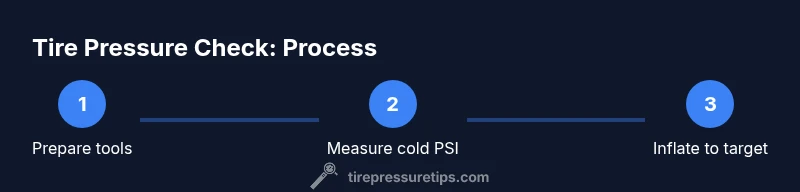
In this section we outline the practical steps you’ll perform to check tire pressure and bring each tire to the recommended level. Each step is designed to be quick and precise, ensuring you don’t miss important details that affect accuracy. You’ll learn how to handle the valve stem, how to attach the gauge, how to inflate or deflate with precision, and how to confirm the final readings match the Civic’s targets. By following the sequence, you’ll avoid common mistakes like measuring after driving, overinflating, or neglecting the spare.
Remember to approach each tire with the same method to maintain consistency. The steps below are designed for anyone performing the check, whether you’re a daily driver or a first-time car owner.
This overview aligns with the earlier sections and the Step-by-Step instructions below. It’s a practical framework you can apply in any weather or season while keeping the Civic’s tires properly inflated.
For best results, perform the full check in a single session to avoid inconsistencies between measurement times. If you’re unsure about the reading, retake the measurement after a few minutes of rest to ensure the tire pressure has stabilized.
Interpreting PSI: Vehicle-Specific Targets for a Honda Civic
Interpreting the numbers requires clarity about the Civic’s PSI targets and the role of tire size, load, and driving conditions. The door placard will list two PSI values: one for front tires and another for rear tires. Different tire sizes or performance tires may require slight adjustments; if you’ve installed aftermarket tires or wheels, consult the tire manufacturer’s guidelines as well as Honda’s official materials. Instead of chasing an exact number at all times, aim for a PSI within a small range around the target (e.g., within 1-2 PSI). This approach reduces the likelihood of underinflation in cold weather and overinflation in hot weather.
If you notice a persistent deviation, it could indicate a slow leak, a faulty valve stem, a puncture, or a rim seal issue. In such cases, perform a visual inspection for cracks, nails, or other damage; if nothing obvious appears, consult a technician for a more thorough check. Accurate PSI matters for even tread wear, responsive handling, and improved fuel economy. The Tire Pressure Tips team emphasizes keeping the readings consistent and recording them over time to detect patterns that point to a problem before it becomes severe.
Additionally, be mindful that seasonal temperature shifts can affect PSI. In winter, tire pressures tend to drop, while in summer, hot weather can raise readings. Planning periodic inflation adjustments around seasonal changes helps maintain the Civic’s performance and safety profile without unnecessary risk.
Hydrostatic checks (using soapy water) can reveal slow leaks at the valve stems or bead seats if you suspect a leak after a measurement discrepancy. If a leak is detected, diagnose and address it promptly to prevent a sudden loss of pressure on the highway.
Common Pitfalls and Safety Warnings to Avoid
Even experienced drivers make simple mistakes that compromise tire pressure accuracy. For example, checking pressure after driving can give artificially high readings because heat expands air; always measure when tires are cold. Using a gauge that’s worn or inaccurate will distort readings and lead to improper inflation. Wipe the valve stem and nozzle before attaching the gauge to prevent dirt from giving a false reading. Do not inflate beyond the tire’s maximum PSI printed on the sidewall; this only masks underinflation problems and can risk a blowout.
Another common pitfall is neglecting the spare tire. The Civic’s spare should be checked periodically, and the PSI target for the spare should be similar to the other tires if you carry a traditional full-size spare. If you rely on a compact spare, consider its separate target and timeframes for use. Finally, always recheck after inflating; some inflators take a moment to settle, and readings can drift as air flows into the tire. Keeping a small log of readings can help you spot slow leaks or changes over time.
Safety: if you notice cracks, bulges, or obvious tire damage, stop driving and seek professional service. Driving on a severely underinflated tire can cause overheating, tread separation, or blowouts, especially at highway speeds. The best defense against these risks is a consistent inspection routine and prompt response to any abnormal readings.
Maintenance and Seasonal Strategy: Keeping Tires Properly Inflated All Year
To maintain consistent tire pressure across seasons, adopt a simple maintenance routine. Check your Civic’s tires monthly, especially during temperature swings, before long trips, and after inflating or rotating tires. Use a high-quality gauge and keep it in a readily accessible place, like the glove box or trunk. If you notice pressure changes larger than 1-2 PSI within a week or two, consider a leak test by the dealership or a tire shop; slow leaks can be caused by valve stems, rims, or punctures that are not easily visible.
In addition, adjust inflation when you carry extra weight, such as luggage, passengers, or roof racks. Heavier loads require increased inflation to maintain the same level of performance and safety. Track your readings over time and you’ll quickly spot changes that indicate a problem before it becomes critical. As you adopt this routine, your Civic will deliver more consistent handling, better fuel economy, and longer tire life.
Quick Reference: How to Check Tire Pressure on Honda Civic (Hands-On Steps Summary)
- Gather tools: gauge, pump, placard; verify the PSI target for each tire.
- Check tires cold; remove valve caps and attach gauge securely.
- Read the PSI; compare with the Civic’s targets; adjust as needed in small increments.
- Recheck after inflation and reinstall valve caps; log readings for future reference.
- Inspect tires for wear and damage; address leaks promptly to maintain safety.
Tools & Materials
- Tire pressure gauge(Digital or analog; ensure calibration and readability)
- Door jamb placard / owner's manual(Shows official PSI targets for front and rear tires)
- Air pump or compressor(Must be capable of reaching target PSI without overinflating)
- Clean cloth(Wipe valve stems and gauge nozzles for a clean seal)
Steps
Estimated time: 10-20 minutes
- 1
Prepare and locate the valve stem
Park on level ground with the engine off and the parking brake engaged. Remove the valve cap from the tire—keep it somewhere clean so it won’t get lost. This step ensures you can attach the gauge securely and read accurately.
Tip: Have a flashlight handy to inspect the valve stem for dirt or damage before measuring. - 2
Check the tire when cold
Tires should be cold when you measure; driving heats the air and raises the PSI. If you’ve been driving, wait 20-30 minutes for the tires to cool before checking. This reduces the likelihood of overinflation due to heat expansion.
Tip: If you recently drove, use the cooling period as a reminder to recheck later rather than guessing now. - 3
Attach the gauge and take a reading
Place the gauge on the valve stem and press firmly until you hear a brief hiss and the reading stabilizes. Note the PSI and compare it to the door placard targets for the Civic.
Tip: Read the gauge at eye level for accuracy; digital gauges display the exact number, while analog gauges require you to read the needle position. - 4
Inflate or deflate to targets
If the reading is below target, inflate in small increments (2-3 psi) and recheck after the tire settles. If above target, release air gradually until you reach the recommended PSI.
Tip: Do not exceed the tire’s maximum PSI printed on the sidewall; when in doubt, inflate to the lower of the front/rear target values. - 5
Recheck and reinstall the valve cap
After inflating/deflating, recheck to confirm all tires are within the target range. Reinstall the valve caps to prevent dirt and moisture from entering the valve stem.
Tip: Record the final readings for future reference and to monitor changes over time. - 6
Inspect tires and note changes
Examine tread wear, bulges, or cracks that could indicate damage. If you notice any abnormal wear or suspected leaks, schedule service promptly.
Tip: Include the spare tire in your checks periodically to ensure readiness for emergencies.
Frequently Asked Questions
How often should I check tire pressure on my Honda Civic?
Check at least once a month and before long trips. Temperature changes and load can affect pressure, so frequent checks are wise.
Check your tire pressure at least monthly, and before long trips. Temperature and load can change pressure, so regular checks matter.
Is TPMS reading always accurate?
TPMS provides a warning when pressures are too low. Always verify with a manual gauge for the exact PSI.
TPMS is a warning system. Use a gauge to confirm the exact number.
What if the door sticker shows a different PSI than the tire says?
Follow the door placard as the official spec for your vehicle. Tire sidewall max psi is different and should not be the target.
The sticker on the door jam is the official spec; the tire shows max PSI, not the target.
Can I check tire pressure with the car running?
Checking with the car running can give inaccurate readings due to pressure fluctuations; it's best to measure while off and cold.
Best to check when the car is off and tires are cold.
Should I check spare tire pressure?
Yes, check the spare's PSI as well and keep it within the recommended range for emergencies.
Don't forget to check the spare—keep it ready for emergencies.
What to Remember
- Check cold tires for accuracy
- Follow door placard PSI targets
- Use a reliable gauge and recheck after inflation
- TPMS helps but does not replace gauges
- Maintain consistent PSI for even tire wear