How to Check Tire Pressure at the Gas Station: A Practical Guide
Learn how to check tire pressure at the gas station safely and accurately, using a handheld gauge, reading PSI, and inflating to your car's recommended spec.


By using a handheld tire gauge at a gas station, you can confirm your tires are inflated to the manufacturer’s spec. This quick answer covers how to find cold tire pressure, where to measure, and how to adjust using the station’s air pump or your own gauge. Follow these steps for accurate, safe readings.
Why Checking Tire Pressure at Gas Stations Matters
According to Tire Pressure Tips, maintaining proper tire pressure is a cornerstone of safe driving, extending tire life, and improving fuel efficiency. Gas stations offer convenient access to air pumps and built-in gauges, making them a practical venue for occasional checks. However, accuracy matters: gauge quality varies, and readings can be affected by temperature, recent driving, and the state of the valve stem. Regular checks help you catch slow leaks, avoid underinflation, and keep TPMS alerts in check. By knowing how to check tire pressure at gas stations, you stay in control of your vehicle’s handling, braking, and ride quality.
Cold Tires vs Hot Tires: When to Check
A tire’s pressure rises with temperature. Checking tires when they are cold (ideally after at least three hours of no driving, or before you drive for the day) yields the most accurate reading. If you’ve just driven recently, you may see higher PSI values that don’t reflect the normal operating pressure. For station checks, plan ahead: warm tires will show inflated numbers, and that can lead to over-inflation when you add air to compensate.
Tools You’ll Need at the Station
Having the right tool makes a big difference. A reliable tire pressure gauge (dial, digital, or pencil) is essential for accurate readings. Bring your vehicle’s owner manual or the door placard with the recommended PSI per tire, so you can compare what you read to the official spec. A notebook or phone to record pressures helps track changes over time. If you prefer, keep a small copy of the PSI targets in your glovebox for quick reference.
Reading the Gas Station Gauge vs Your Gauge
Gas station air pumps often include a built-in gauge. While convenient, these gauges can be less precise than a personal gauge. Always verify numbers with your own gauge, and use the station gauge to inform whether you need to add or release air. If readings diverge significantly, rely on your handheld device for the final decision and consider purchasing a higher-quality gauge for home use.
Step-by-Step Measurement Process (Overview)
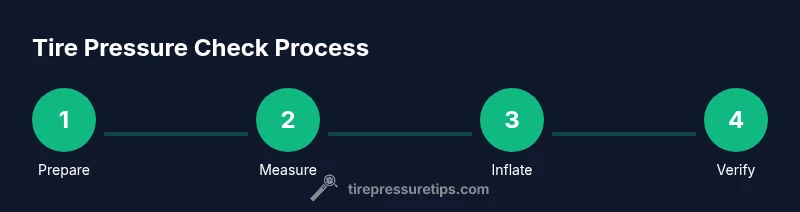
This section outlines the core actions you’ll perform at the pump: prepare, measure with your gauge, compare to the target PSI, adjust using the pump, and recheck. The following STEP-BY-STEP block provides structured actions with explicit tips to avoid common errors. Remember to ensure the car is on level ground and the valve stems are clean before testing.
Inflation and Verification: How to Inflate Safely Using the Station Pump
If a tire is underinflated, use the station’s inflator to bring it up to the recommended PSI, pausing to recheck after each increment. Do not exceed the target PSI; underinflation is more common and safer than overinflation. If you overinflate, press the air release valve on the pump if available, or use your gauge to guide safe adjustments. Always give the tire a moment to settle after inflation before rechecking.
Common Pitfalls at the Pump and How to Avoid Them
Rushing through measurements leads to inaccuracies. Never assume the station gauge is exact—cross-check with your own device. Temperature changes, recent driving, and valve cap condition can all skew readings. Avoid inflating beyond the recommended level, and be mindful of shared air hoses that may leak or blow air unexpectedly while you’re measuring.
Post-Check Maintenance: Record Keeping and Scheduling
Keep a simple log of each tire’s PSI and date. Tracking changes helps you spot slow leaks or gradual pressure declines. Schedule a monthly check or before long trips, especially in extreme weather, to maintain optimal tire pressure and safe handling. Consistent records also support proactive maintenance and help during roadside assistance or dealership visits.
Quick Reference: Gas Station Tire Pressure Best Practices
- Check tires when Cold and before driving on a mission-critical trip.
- Use a reliable gauge and verify readings with your own device.
- Inflate to the vehicle’s recommended PSI, not the pump’s display.
- Recheck after any inflation and replace valve caps securely.
- Log readings to monitor changes over time.
Safety and Comfort: How Proper Tire Pressure Improves Driving Experience
Correct tire pressure enhances traction, steering response, and ride quality. It also reduces uneven wear and can contribute to better fuel economy. When you proactively check tire pressure at gas stations, you contribute to safer driving for yourself and others on the road. The Tire Pressure Tips team notes that consistency is key to long-term tire health.
Tools & Materials
- Tire pressure gauge (dial or digital)(Choose a gauge with a clear scale and easy-to-read display; practice reading the numbers before you need them.)
- Vehicle owner's manual or door placard(Provides the exact PSI targets per tire and per axle; use as your primary reference.)
- Notebook or mobile note app(Record readings and dates for trend tracking.)
- Valve cap and cloth for cleaning(Keep the valve stem clean to ensure an accurate seal when testing.)
Steps
Estimated time: 8-15 minutes
- 1
Prepare and locate target PSI
Park on a level surface and turn off the engine. Retrieve your vehicle’s PSI targets from the owner’s manual or door placard, and decide which tires to measure first. This ensures you inflate to the correct specification for each tire.
Tip: Have your gauge ready before you approach the valve stem to minimize valve stem exposure to contaminants. - 2
Remove valve cap and inspect
Twist off the valve cap and inspect the stem for damage or dirt. A clean stem helps ensure a proper seal with the gauge. Keep the cap in a safe pocket so you don’t lose it.
Tip: Use the cap to remind yourself which tire you just tested if you’re checking multiple tires quickly. - 3
Attach gauge and take a reading
Place the gauge onto the valve stem firmly and press straight until you hear or feel a brief hiss of air. Read the number on the gauge without allowing your fingers to obscure the display. If you’re using a digital gauge, wait for the reading to stabilize.
Tip: If you’re using the station’s gauge, verify the result with your own gauge for accuracy. - 4
Compare with the target PSI
Compare your reading to the recommended PSI on the placard or manual. If your tire is low, prepare to inflate; if it’s high, you may need to release air.
Tip: Remember that different tires (front vs rear) may have different target pressures. - 5
Inflate or deflate to target PSI
Use the station’s air pump to add air or the release valve to vent air in small steps. Check the pressure after each step to avoid overshooting the target.
Tip: Air temperatures can affect readings; recheck after a minute for stabilization. - 6
Recheck after adjustment
After inflating or venting, measure again with your gauge to confirm you’ve reached the target. If you’re satisfied, replace the valve cap securely.
Tip: Do not rely solely on the pump’s display—always confirm with your gauge.
Frequently Asked Questions
Can I check tire pressure at a gas station when the engine is running?
It’s best to turn off the engine and check tires cold for the most accurate reading. If you must check with the engine running, be cautious around moving parts and note that numbers may be slightly higher due to heat.
Turn off the engine for accuracy; if you must check while running, expect slightly higher numbers and stay safe around the pump.
Why is cold tire pressure different from hot tire pressure?
Tire pressure rises with temperature as air expands inside the tire. Reading when cold provides a baseline you can reproduce over time, while hot readings can be misleading.
Cold tires give the true baseline. Hot tires read higher due to warming.
What if I can’t find my car’s recommended PSI?
Check the door placard or the owner’s manual for the exact targets. If not available, use industry-standard ranges suitable for your vehicle type and adjust based on handling and wear.
If you can’t find the PSI, use the manual or placard; otherwise, use typical ranges for your car type and adjust by feel.
How often should I check tire pressure?
Check at least once a month and before long trips. Temperature changes, seasonal shifts, and road conditions can cause pressure to drift.
Check monthly and before trips; temperature and use can change pressure.
Do TPMS readings replace manual PSI checks?
TPMS warns you when pressures are outside the safe range, but a manual gauge confirms the exact PSI. Always verify TPMS alerts with a gauge.
TPMS warns you, but you should still check the exact PSI with a gauge.
Watch Video
What to Remember
- Check cold tires for accuracy.
- Use a reliable gauge and verify readings.
- Inflate to the vehicle’s PSI target and recheck.
- Record readings to monitor changes.
- Rely on official vehicle targets, not station defaults.