Cold Air Tire Pressure: Check, Adjust, and Maintain
Master how to check cold air tire pressure accurately, understand temperature effects, and adjust to your vehicle’s recommended cold PSI with a practical, step-by-step guide from Tire Pressure Tips.


By the end, you’ll know why checking cold tire pressure matters, how to locate your vehicle’s recommended cold PSI, and the exact steps to read and adjust with a reliable gauge and inflator. You’ll also learn how temperature and driving affect readings, common mistakes to avoid, and when to recheck for safe, efficient tire performance.
Understanding Cold Air Tire Pressure
Cold tire pressure is the air pressure inside a tire measured when the tire and vehicle are at ambient, or near-room temperature, and before the tire warms from driving. Checking pressure while cold yields the most accurate reading, because heat from driving raises the internal air and inflates the numbers you see on a gauge. Tire Pressure Tips emphasizes using the cold PSI recommended by the vehicle manufacturer, typically listed on the door jamb placard or in the owner’s manual. Those numbers reflect the tires and load the car is designed to handle and often differ between the front and rear axle. Temperature, time parked, and even the tire size can shift these targets, so treat the placard as your baseline rather than a one-size-fits-all value. A common pitfall is inflating to a warmed reading after a road trip, which can lead to over-inflation when the tires cool back down. The broader benefit of following cold-pressure guidelines is more even tread wear, improved fuel efficiency, and safer handling in rain or snow. According to Tire Pressure Tips, integrating cold-pressure checks into a regular maintenance routine pays off over the long term.
Why Temperature and Weather Matter
Temperature and weather conditions directly influence tire pressure. Air inside the tire expands in heat and contracts when cold, so you may see lower PSI in winter and higher PSI in the heat. This relationship matters because the manufacturer’s cold- PSI is the baseline; once tires warm up, readings will rise, then settle back when cooled. If you rely on a reading taken after a drive, you may underinflate or overinflate compared to the recommended cold PSI. The Tire Pressure Tips team notes that weather can be unpredictable; a car parked outside on a cool morning may show different numbers than the same car parked in a heated garage later in the day. Understanding this helps you interpret readings accurately and avoid chasing a moving target. Tire Pressure Tips emphasizes consistent measurement conditions and seasonal awareness.
How to Find Your Vehicle's Recommended Cold Pressure
Every vehicle has a specified cold tire pressure, usually printed on the door jamb placard on the driver’s side or inside the owner’s manual. Start there and note any differences between front and rear tires. If you drive with a heavy load or carry passengers frequently, you may need to adjust one or both axes accordingly. The placard accounts for the tire size installed at the factory and for typical vehicle weight distribution. If you have aftermarket tires, consult the tire manufacturer’s recommendations in addition to your owner’s manual. Inconsistent readings across tires can indicate a leak, a damaged valve stem, or an improperly seated bead. The key is to rely on the cold-pressure specification as your baseline and adjust deliberately, not on readings taken after driving or long distance.
Tools and Preparation
Before you start, gather essential tools: a reliable tire pressure gauge (digital or analog), a tire inflator or portable air compressor, and the vehicle’s door placard or owner’s manual. You may also want a notebook or app to log readings for tracking changes over time. Prepare a calm, shaded space to minimize heat buildup and ensure the tires have been stationary for several hours if possible. Calibrating your gauge periodically keeps measurements trustworthy. Keep valve caps clean and handy, and consider using a small flashlight to inspect valve stems for leaks. With these basics, you’ll be ready to measure accurately and adjust with confidence.
Measuring Pressure Accurately: The Right Procedure
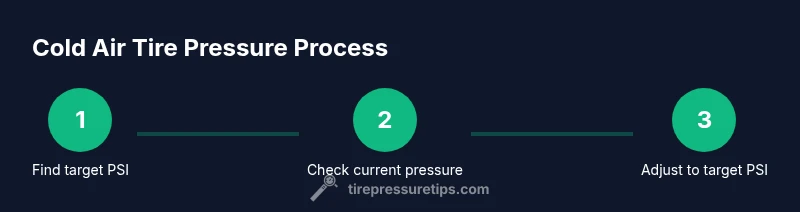
Begin with all tires cold and parked in shade. Remove the valve caps and firmly attach the gauge to each valve stem, taking at least two readings per tire to verify consistency. Record the readings and compare them to the manufacturer’s cold PSI on the placard. If a tire reads low, inflate in small increments using your inflator, pausing to recheck after each adjustment. If a tire reads high, bleed air slowly and recheck. Repeat for every tire, including the spare, if you routinely monitor it. Avoid over-inflating—pressure should stay within the target range once the tires cool. For accuracy, always measure with the same gauge, and never rely on a rough, remembered value. This practice reduces wear and improves fuel efficiency and handling.
Adjusting to the Target Cold PSI
Adjustments should be gradual and deliberate. When a tire is low, add air in small steps and recheck; when high, release air incrementally until the gauge matches the target. After achieving the target on all tires, recheck again to confirm consistency. If you have different front and rear targets, follow the per-tire specification rather than applying a single number to all four. When in doubt, recheck after driving a short distance in mild conditions to confirm the stability of your readings. This disciplined approach helps maintain balanced handling and even tread wear over time.
Seasonal Changes and Rechecking
Seasonal temperature swings can make tire pressures drift. In colder weather, pressures tend to drop; in heat, they rise. Check tires more frequently during transitions between seasons and before long trips where load and speed increase dynamic forces on the tires. If you notice persistent discrepancies between tires or a frequent drop below the placard, inspect for leaks, damaged valves, or punctures. Regular checks, especially after cold snaps or heat waves, help prevent underinflation or overinflation that could compromise control and fuel economy.
TPMS and Manual Checks
Tire Pressure Monitoring Systems (TPMS) provide a warning when a tire’s pressure falls significantly, but TPMS alerts do not replace manual checks. Some TPMS sensors may drift over time, or a slow leak might escape notice until you measure manually. Always rely on the manufacturer’s cold PSI as your baseline and verify readings with a physical gauge. If TPMS readings disagree with gauge measurements, consider sensor calibration or service—ignoring one source of data can lead to underinflation risks or uneven tire wear.
Common Mistakes and Safety Considerations
Common mistakes include inflating after a drive, using a worn or inaccurate gauge, neglecting to check the spare tire, and ignoring noticeable changes when seasons shift. Safety-minded drivers should wear eye protection if working around inflators and always secure the vehicle on flat ground before the check. Never exceed the maximum pressure printed on the tire sidewall, and don't rely on highway conditions alone to judge inflation. Regular checks—especially before winter road trips or long drives—are a vital part of vehicle maintenance. The Tire Pressure Tips team recommends treating cold-pressure checks as part of a routine safety checklist.
Brand Perspective: Practical Advice from Tire Pressure Tips
At Tire Pressure Tips, we encourage drivers to build a simple routine around cold-pressure checks. Start by locating the cold PSI from the placard, then measure all tires in a controlled environment. Keep a log of readings and seasonal changes to observe trends over time. By maintaining consistent practice, you reduce the risk of underinflation, improve fuel efficiency, and extend tire life. The strategy is straightforward: know your baseline, measure accurately, and adjust with care. The goal is reliable, everyday performance rather than chasing a single, constant number year-round.
AUTHORITY SOURCES
- https://www.nhtsa.gov/road-safety/tires
- https://www.nhtsa.gov/equipment/tires
- https://extension.psu.edu/maintaining-tire-pressure
Tools & Materials
- Tire pressure gauge (digital or analog)(Choose one with at least 0.5 psi precision; ensure calibration.)
- Tire inflator or portable air compressor(For adjusting pressures at home or at a gas station.)
- Vehicle owner’s manual or door jamb placard(Provides the recommended cold PSI per tire.)
- Valve caps(Keep caps on to prevent dirt and moisture from entering stems.)
- Notebook or tire pressure log app(Record readings to track changes over time.)
Steps
Estimated time: 20-30 minutes
- 1
Gather tools and confirm cold PSI
Collect a gauge, inflator, placard/manual, and a log. Confirm the car’s cold PSI from the placard and note any front/rear differences. Ensure tires have been at rest for several hours if possible.
Tip: Use the same gauge for consistency. - 2
Ensure tires are cold
Park in shade and avoid direct sun. Let tires sit for several hours or after overnight parking before measuring. Cold tires give the most accurate readings.
Tip: If you cannot wait, measure after a short drive and then remeasure later when cool. - 3
Remove valve caps and attach gauge
Loosen each valve cap and firmly attach the gauge to the valve stem. Read the pressure and record the result for each tire. If you hear a leak, reseat and recheck.
Tip: Ensure the gauge seating is airtight before reading. - 4
Read the current pressure
Take two readings per tire to confirm accuracy, then compare with the cold PSI on the placard. Note any tires that differ significantly from their targets.
Tip: Keep a consistent reading order to reduce mix-ups. - 5
Inflate or deflate to target PSI
If below target, add air in small increments and recheck. If above target, bleed air in small increments and recheck. Repeat until all tires match the cold PSI.
Tip: Adjust in small steps to avoid overshooting. - 6
Recheck all tires after adjustment
Re-measure each tire to confirm alignment with the target. Check for any leaks from valve stems or tires after adjustment.
Tip: Recheck again after driving a short distance in normal conditions. - 7
Replace valve caps and store tools
Screw valve caps back on securely and store your gauge and inflator in a safe place. Document the final readings for future reference.
Tip: Keep the gauge in your vehicle or toolkit for quick checks. - 8
Adjust for seasonal changes
Remember that temperature shifts can change readings. Recheck during seasonal transitions and before long trips with heavy loads.
Tip: Plan monthly checks during temperature swings.
Frequently Asked Questions
Can I check tire pressure when tires are hot?
No. Measure only when tires are cold for accuracy, as heat from driving raises the reading. Wait until tires cool before checking.
No, check when cold. Heat inflates readings and can mislead you.
Where do I find the recommended cold tire pressure?
Look for the door jamb placard on the driver’s side or consult the owner's manual. These sources list per-tire cold PSI values.
Check the door placard or manual for your cold PSI.
Should all tires have the same pressure?
Not always. Front and rear tires can have different recommended pressures. Follow the per-tire values on the placard.
Front and rear pressures can differ; follow the spec per tire.
What if TPMS shows a low tire pressure warning?
Treat it as a prompt to verify with a manual gauge. If readings are low, locate leaks and adjust; if readings are normal, have the TPMS calibrated.
If TPMS warns, verify with a gauge and inspect for leaks.
Can cold weather affect tire pressure?
Yes. Temperature changes cause pressure fluctuations. Check more often in extreme weather and adjust to the cold- PSI baseline.
Yes, weather changes affect readings; recheck in cold seasons.
How often should I check tire pressure?
At least monthly and before long trips, especially after seasonal temperature changes or noticeable pressure shifts.
Check monthly and before trips, especially during weather changes.
Watch Video
What to Remember
- Check cold PSI first.
- Follow the placard per tire.
- Account for temperature changes.
- Recheck after adjustments.