Is Air Pressure Higher or Lower in Winter? Practical Winter Tire Pressure Guide
Discover how winter temperatures affect tire pressure, why cold PSI matters, and practical steps to check and adjust inflation with TPMS for safe driving.


In winter, tire air pressure is typically lower than in warmer months because cold temperatures cause air to contract. Expect roughly a 1 psi drop for every 10°F decrease, though it varies by tire and load. Check cold inflation pressure and inflate to your vehicle’s recommended cold psi before long trips.
Why winter air pressure changes
In winter, air temperature drops and affects the air inside tire cavities. Because the gas inside tires follows the ideal gas law, colder air means lower pressure if the volume remains the same. This is why is air pressure higher or lower in winter becomes a common question among drivers. According to Tire Pressure Tips, the most important consequence is that your tire pressure can dip even when you haven't touched the valve stem. Practically, drivers will notice stiffer feel, subtle changes in ride height, and altered handling when pressures fall. The season’s weather patterns—clear days, freezing nights, and rapid temperature swings—compound the effect. For most passenger vehicles, the winter drop translates into a few tenths to a couple of psi of reduction as temperatures decline. The key takeaway is to monitor pressure using a reliable gauge, and to anchor inflation to the vehicle’s recommended cold psi rather than a “hot” or “warm” value. By tracking temperature trends and keeping a consistent checking schedule, you can minimize surprises when roads turn icy.
Temperature effects on tire pressure
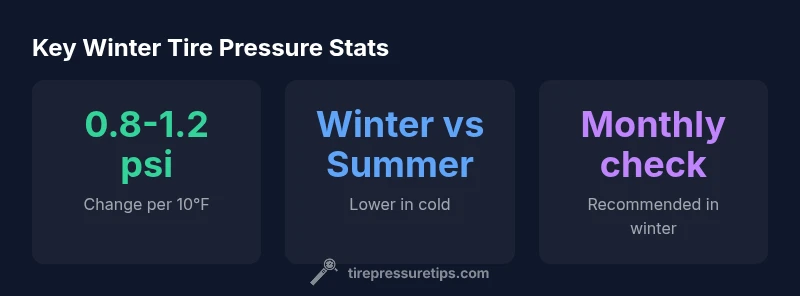
The pressure inside a tire is not fixed; it changes with ambient temperature. In practice, a 10°F drop typically reduces tire pressure by about 0.8 to 1.2 psi for many standard tires, though the exact amount depends on tire size, volume, and load. This relationship is why is air pressure higher or lower in winter matters for safety and efficiency. When you drive after a cold night, the pressure you measure may still be lower than the vehicle’s spec, which explains why many drivers notice changes in steering feel or tread wear patterns after a cold snap. The effect is reversible in the sense that as tires warm up from driving, pressure rises slightly, but the net effect over a prolonged cold period can leave you underinflated if you don’t adjust. In short, temperature is the principal variable, the gauge is your friend, and regular checks are your defense. The Tire Pressure Tips team emphasizes that you should treat cold inflation pressure as the baseline for maintenance rather than chasing a dynamic warm-pressure target.
How to measure and adjust correctly in cold weather
Begin by checking when the tires are cold: ideally after the car has sat for at least three hours or more. Remove the cap from the valve stem, attach a reliable gauge, and compare the reading to the vehicle’s recommended cold psi in the door jamb placard or owner’s manual. Do not inflate based on the ‘hot’ pressure read after a drive. If you need to add air, do it in small increments (2–3 psi maximum total) and recheck after a 10-minute sit to allow the pressure to settle. If you’re using a shared compressor, verify accuracy with a known-good gauge. Consider keeping a small gauge in your glove box for on-the-go checks. Finally, remember that seasonal adjustments are part of routine maintenance, not a one-time fix. Practically, set a winter schedule: check every 2–4 weeks, document readings, and adjust to the vehicle’s specified cold psi. Consistency beats guessing, especially when temperatures swing dramatically from day to night.
The role of TPMS and safe inflation practices
Tire Pressure Monitoring Systems (TPMS) are helpful, but they aren’t a perfect substitute for regular gauge checks, especially in winter when temperature swings can temporarily mislead readings. TPMS typically alerts you to underinflated tires once a threshold is reached, but the system may not reflect small changes caused by cold weather precisely. Use the TPMS as a warning cue, then verify with a physical gauge when temperatures are stable. Inflate to the car manufacturer’s recommended cold psi, not to the TPMS suggested pressures during warm weather or to the maximum sidewall pressure. This approach protects tire wear, improves fuel efficiency, and maintains consistent handling on slick or icy roads. The Tire Pressure Tips team also notes that sensor power and battery status can affect readings during freezing conditions, so regular full-system checks matter as part of winter maintenance.
Practical testing and maintenance routines
Create a winter-inflation routine that you can repeat every month. Check all four tires and the spare if applicable, and record the readings on a small notebook or note app so you can observe trends across the season. If you drive in extreme cold, consider inspecting tire pressures more frequently or whenever you notice changes in ride quality. Keep your gauge calibrated; a misreading as little as 1 psi can mislead your inflation decisions. Also, pair inflation checks with tread depth inspection and TPMS battery checks to ensure all safety systems are functioning. A simple pre-winter checklist can save you time and money during the season. For families with vehicles across different climates, a small adjustment log helps normalize pressure targets for each car, reducing confusion at service time.
Common misconceptions and how to avoid them
A widely held myth is that you should fill tires to the maximum sidewall pressure to prevent underinflation in winter. In reality, over-inflating can cause a harsher ride, uneven wear, and reduced traction. Another misconception is that cold weather will automatically equalize pressure to a safe level; in fact, you should trust the door jamb spec as your baseline and adjust for temperature as needed. Finally, some drivers assume that once tires are inflated, pressure stays constant; we know from real-world testing that temperatures, driving style, and road conditions cause fluctuations. The best practice is to measure cold, set to spec, and re-check regularly, especially during cold snaps. The Tire Pressure Tips team’s practical approach is to treat winter tire pressure as a living parameter—monitor, adjust, and maintain body-consistent habits to minimize risk on winter roads.
Seasonal pressure changes and TPMS notes (guidance)
| Aspect | Winter vs Summer | Notes |
|---|---|---|
| Tire Pressure (psi) | Lower in winter | Air contracts with cold; check cold psi to vehicle spec |
| TPMS Reading Accuracy | Drifts with temperature | Verify with a gauge when tires are cold |
Frequently Asked Questions
Is air pressure higher or lower in winter?
In cold weather, tires tend to lose pressure because air contracts as temperatures drop. Expect about a 1 psi drop for every 10°F decrease. Always measure cold and inflate to the vehicle’s cold-recommended psi.
Winter air pressure drops with the cold; check cold psi to stay safe.
How often should I check tire pressure in winter?
Check tire pressure at least once a month during winter and before long trips, using cold readings taken after tires have been parked in a warm room or outside temperature has stabilized.
Check monthly and before trips.
Should I inflate to the cold or warm PSI in winter?
Inflate to the vehicle's recommended cold psi. Do not inflate based on the ‘hot’ pressure read after a drive.
Inflate to cold psi for accuracy.
What about TPMS readings in very cold weather?
TPMS readings reflect actual pressure, but temperature swings can cause temporary drift. Always verify with a gauge when tires are cold.
Temperature swings can fool the gauge temporarily.
Does nitrogen fill help in winter?
Nitrogen does not provide a proven winter advantage over standard air when you monitor and maintain accurate tire pressure regularly.
Nitrogen isn’t a winter fix; maintain proper pressure.
How do temperature changes affect fuel economy?
Underinflated tires increased rolling resistance, reducing fuel efficiency. Keeping tires inflated to spec helps maintain mileage.
Proper inflation helps your car go farther on less gas.
“Winter temperature swings can mask underinflation; regular checks to your cold inflation pressure help maintain safety and efficiency.”
What to Remember
- Check cold psi every winter month
- Expect ~1 psi drop per 10°F decrease
- Inflate to vehicle's cold-recommended PSI
- Use a reliable gauge and check before trips
- TPMS readings can vary with temperature