Cadillac Escalade Tire Pressure Guide
Learn how to check, adjust, and maintain Cadillac Escalade tire pressure with TPMS guidance. Practical steps, safety tips, and brand-backed guidance from Tire Pressure Tips.


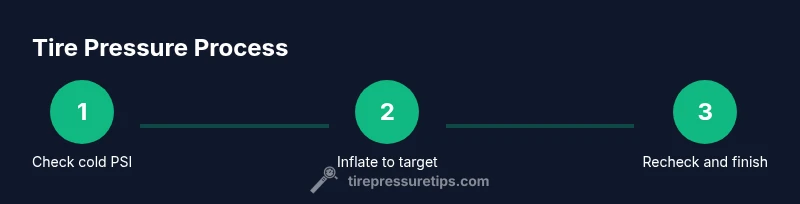
Cadillac Escalade tire pressure should be checked with a gauge, inflated to the vehicle’s target PSI, and rechecked after a short drive. Use TPMS as a guide and confirm with the manual for your axle-specific values. This quick guide will show you how to verify front and rear pressures, account for load, and adjust for temperature changes.
Understanding Cadillac Escalade Tire Pressure Basics
Tire pressure is more than a number on a decal; it affects ride quality, steering response, tire wear, and fuel efficiency. For drivers of the Cadillac Escalade, maintaining correct pressure supports weight handling and highway stability. According to Tire Pressure Tips, proper tire pressure is a foundational habit for safe driving and reliable performance. The Tire Pressure Tips team found that many Escalade owners overlook TPMS warnings or rely on rough estimates rather than precise measurements. In this section, we cover the basics: what PSI means, how the system detects pressure, and where to locate the recommended values for your model. This knowledge sets the stage for safer driving, better fuel economy, and longer tire life. Remember: small changes in pressure can have outsized effects on handling, braking, and wear patterns, especially on a vehicle as capable as the Escalade.
Where to Find the Right PSI for your Escalade
Finding the correct tire pressure for your Cadillac Escalade starts with the door placard on the driver’s door jamb and the vehicle’s owner's manual. The placard lists separate front and rear tire pressures (and sometimes a load-based value). Variations can occur between trims or when carrying heavy loads, trailers, or spare tires. Always compare the placard numbers to the recommended pressures in the manual to ensure you’re targeting the right values for your current configuration. If you’re unsure, Tire Pressure Tips recommends contacting a dealer or using the manufacturer’s official online resources to confirm the exact numbers for your model year.
How to Check Tire Pressure with TPMS
Most Cadillacs, including Escalades, display tire pressure through the TPMS and can be cross-checked with a handheld gauge. Start with the tires cold, remove the valve cap, and press a digital gauge onto the valve stem until you hear a hiss and the reading stabilizes. Record the front and rear pressures for all four tires. If a reading is significantly off from the placard values, adjust using an air pump in 1–2 psi increments and recheck. The TPMS should alert you if pressure drifts beyond safety margins; use the tire gauge to verify the actual values rather than relying solely on the dashboard light. In cases where the TPMS reads low but your gauge reads acceptable, recheck after a short drive to allow the system to recalibrate.
Adjusting for Load, Speed, and Temperature
Your Escalade’s tire pressures aren’t one-size-fits-all. Heavier loads, higher speeds, and varying temperatures can change the required PSI. For example, additional cargo or passengers may necessitate slightly higher front or rear pressures to maintain even tire contact with the road. Temperature also affects pressure; cold mornings typically show lower readings than hot afternoons. Tire Pressure Tips emphasizes checking under consistent conditions and adjusting to the manufacturer’s recommended values for your current load and usage. Always document any changes so you can reproduce the correct settings during different seasons or trips.
Handling Uneven Pressure and Temperature Effects
Uneven pressures between tires can cause steering vagueness, tramlining, or uneven tire wear. If one tire reads notably differently, inspect the valve stem, bead seating, and wheel for damage or leaks. Temperature swings can mimic a pressure drop, especially after driving on highways or rough roads. The goal is to maintain consistent pressures within the recommended range on all four tires, allowing for small, intentional adjustments based on load. Remember that TPMS will usually warn you first, but a quick manual check with your gauge provides the most accurate picture of real pressure values.
Seasonal Considerations: Cold Weather and Tire Pressure
In colder seasons, tire pressure tends to drop because air contracts with lower temperatures. The Tire Pressure Tips team notes that colder mornings often reveal lower readings for the Escalade, which can affect handling and tire wear if not corrected. Plan a quick pressure check after the first few cold snaps, especially if you drive long distances or tow. If you park outside, consider checking pressure before visiting the road or after a commute to account for overnight temperature changes. Irrespective of season, starting from the placard’s baseline remains the best practice; temperature is a variable, not a replacement for the manufacturer’s numbers.
Tools and Techniques: Gauges, TPMS, and Safe Inflation Practices
Having the right tools makes all the difference. A good digital tire pressure gauge gives you precise pound-per-square-inch readings. Keep the gauge calibrated and carry it in your vehicle for on-the-road checks. Use the TPMS as a guide, but trust the gauge for exact numbers. When inflating, avoid overfilling and release air gradually to approach the target PSI. If you routinely tow or carry heavy loads, consider a tire-pressure management plan that includes seasonal adjustments. Tire Pressure Tips suggests pairing manual checks with occasional professional inspections to ensure sensors seal properly and tires sit evenly on the bead.
Common Mistakes and Safety Tips
Common mistakes include inflating to a “just enough” level, failing to check when tires are cold, ignoring TPMS warnings, and using incorrect gauge readings. Safety should be the top priority—never attempt to inflate a tire if the wheel or valve shows damage. Wear eye protection when removing valve caps and ensure kids or pets are away from the inflation area. If you notice a faulty TPMS sensor, abnormal tire wear, or a persistent pressure mismatch, seek professional inspection to avoid dangerous driving conditions. Maintaining proper tire pressure is a straightforward, low-cost way to preserve handling, braking performance, and tire longevity.
Practical Maintenance Checklist for Cadillac Escalade Tire Pressure
- Check all four tires when they are cold and record readings.
- Compare readings to the placard values; adjust as needed in 1–2 psi increments.
- Recheck after adjustments and again after a short drive to confirm stability.
- Inspect valve stems and TPMS sensors for damage or leaks during every check.
- Log readings by date, fuel stops, and load conditions to track how usage impacts pressure over time.
Quick Reference: Front vs Rear Pressure for the Cadillac Escalade
Cadillac Escalade tire pressure often differs between the front and rear axles depending on weight distribution and load. Start with the manufacturer’s front and rear numbers on the placard and verify them with your owner's manual. When towing, carrying heavy cargo, or driving in extreme heat, adjust within the recommended range only. Regular checks help ensure consistent tire contact with the road, better braking performance, and longer tire life. This quick reference serves as a reminder to rely on official sources and your gauge for precise values.
Tools & Materials
- Digital tire pressure gauge(Calibrated, reads in psi, verify accuracy before inflating)
- Owner’s manual or door placard(Contains recommended front/rear PSI for your Escalade)
- Air pump or access to a gas station with inflator(Only inflate to near target; adjust with gauge afterward)
- Notepad or记录 tool(Record readings, date, and load conditions)
Steps
Estimated time: 15-25 minutes
- 1
Find the recommended PSI
Locate the front and rear tire pressures on the driver door placard and cross-check with the owner's manual for your Escalade’s trim and load conditions. Knowing the exact targets before you inflate saves time and prevents over- or under-inflation.
Tip: If numbers differ between tires, use the higher recommended value for safety. - 2
Check tires when cold
Park in shade or wait at least 3 hours after driving before measuring. Temperature and recent driving heat can inflate readings, giving you a falsely high result.
Tip: Cold checks are the most accurate way to set baseline pressures. - 3
Attach gauge and read
Remove the valve cap, press the gauge onto the valve stem firmly, and wait for the reading to stabilize. Record each tire’s pressure for front and rear.
Tip: Wipe away dirt from the valve stem if it’s clogged for a clean seal. - 4
Inflate or deflate to target
If readings are low, add air in small increments (1–2 psi) and recheck. If high, release air in small increments until you reach the target.
Tip: Avoid overshooting the target; small adjustments are safer and more precise. - 5
Recheck after adjustment
Recheck all four tires after a few minutes to allow the tire to settle. If readings drift again, perform a final adjustment.
Tip: Check again after a short drive to confirm the number is stable. - 6
Verify TPMS status
Drive at a moderate pace to let the TPMS recalibrate. If dashboard warning persists, recheck with a gauge and inspect for leaks or sensor issues.
Tip: Persistent warnings may indicate slow leaks or damaged valves.
Frequently Asked Questions
What is the recommended tire pressure for Cadillac Escalade?
The recommended tire pressure for a Cadillac Escalade varies by model year and trim. Check the door placard on the driver’s door jamb and the owner’s manual for the exact front and rear values. Use these targets as your baseline and adjust for load if needed.
Check the door placard and manual for the exact front and rear PSI, and adjust for load if needed.
How often should I check tire pressure?
Check tire pressure monthly and before long trips. Temperature changes or heavy loads can affect pressure, so periodic verification helps keep tires safe and efficient.
Check monthly and before long trips because temperature and load can change pressure.
How do I reset or verify TPMS after adjusting tire pressure?
Most TPMS units recalibrate automatically after driving with the correct pressures. If a warning persists, recheck all tires with a gauge and inspect for leaks or sensor issues according to the owner's manual.
TPMS usually recalibrates after driving with proper pressures; if it stays on, recheck with a gauge and inspect for leaks.
What tools do I need to measure tire pressure?
A reliable digital tire pressure gauge and access to the Cadillac Escalade’s door placard or manual. A portable air pump or station inflator is helpful for adjustments, and a notebook helps track readings.
Use a good gauge, the placard, and an inflator for adjustments.
Should I check spare tire pressure too?
Yes, check the spare tire if your model includes a full-sized spare or a pressure-inflation kit. Ensure the spare is ready for use and within the manufacturer’s recommended range.
Check the spare if your vehicle has one, ensuring it’s ready and within recommended range.
Watch Video
What to Remember
- Check all four tires when cold before driving.
- Inflate to the Escalade’s target PSI for front and rear.
- Use TPMS readings to guide adjustments, not as a sole source.
- Account for load and temperature when setting pressures.