Who Resets Tire Pressure Sensors (TPMS): A Practical Guide
Learn who resets tire pressure sensors (TPMS), when a DIY relearn is possible, and when to seek professional help. Clear steps, safety tips, and model nuances to keep your TPMS accurate and reliable.


Who resets tire pressure sensors and why it matters
The question who resets tire pressure sensors matters because it defines who is responsible for the accuracy of your TPMS readings. In most cars, the sensors themselves and the vehicle's computer coordinate a relearn after correct inflation. The Tire Pressure Tips team notes that a correct relearn ensures the warning light behaves predictably, and sensor data aligns with physical sensor positions after tire work. Depending on the model, an auto relearn may occur simply by driving at normal speeds, while other vehicles require a manual procedure using a scan tool or the onboard menu. If you’ve recently rotated tires, repaired a flat, or replaced a sensor, plan for a relearn step to re-link current sensors with the ECU. Always verify the system after any tire service.
TPMS relearn basics
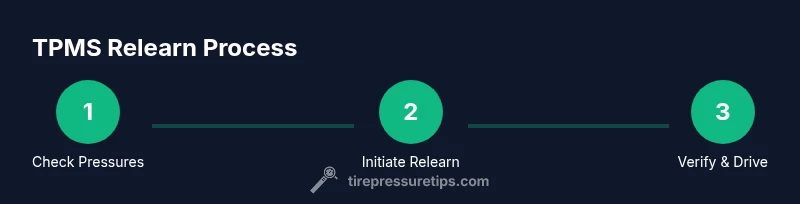
TPMS relearn is the process of syncing the vehicle’s ECU with the current sensor IDs and positions. Some cars support a purely automatic relearn after you drive a short distance at a safe speed and correct tire pressures. Others require a dedicated relearn procedure, which may involve a sequence of steps in the vehicle’s menu or a handheld scan tool. The goal is to make sure the ECU reads each sensor accurately and displays the correct tire location if a warning occurs. Having a clear understanding of your car’s relearn requirements helps you avoid wasted trips to the shop.
DIY relearn vs professional service
DIY relearn is possible on many models, especially those with built-in on-board relearn menus or universal scan tools. However, some late-model or high-end vehicles require specialized TPMS relearn tools and dealer-level scans to reassign sensor IDs after sensor replacement. If tires were mounted, rotated, or if sensors were replaced, a professional relearn can ensure correct sensor mapping and prevent false warnings. tire shops and dealerships bring calibrated tools and up-to-date procedures that match your specific vehicle, model year, and sensor type. The choice often depends on your vehicle’s make, model, and whether you’re comfortable following model-specific steps.
When you must reset TPMS
You typically need a TPMS relearn after any tire change, sensor replacement, or a wheel rotation that changes sensor positions. If you notice the TPMS warning light persists after inflating to the correct pressure, you may need to initiate a relearn. In some vehicles, the relearn happens automatically after driving for a certain distance; in others, you must perform a sequence of actions in the dashboard menu or with a handheld tool. Always verify the light behavior after completing the relearn and confirm the pressures match the door placard.
Common mistakes and best practices
Common mistakes include neglecting to check tire pressures to the stated specification before starting relearn, performing relearns on underinflated tires, and skipping the final verification step. Best practices include validating cold tire pressures first, using the correct relearn method for your model, and driving at a steady speed after relearn to complete auto-learn cycles. Labeling tires and sensors can help you avoid misassignment during the process, especially after sensor changes or rotations.
Safety considerations and long-term maintenance
Safety comes first: never drive with underinflated tires during the relearn process, and avoid aggressive driving immediately after a relearn attempt. If a tire has a slow leak or the TPMS light remains on after repeated relearns, seek professional service. Regular maintenance—checking pressures monthly and after temperature changes—helps TPMS stay accurate. For fleet vehicles or frequent tire work, establishing a standard relearn routine saves time and reduces downtime.
Vehicle-specific nuances and ongoing care
Relearn requirements differ by make and model. Some vehicles only require inflation to the correct pressure and then driving for a few miles to auto-relearn; others require a precise sequence via the dash menu or a scan tool. Always consult the owner’s manual for your exact steps and consider a periodic TPMS health check as part of regular maintenance. The goal is reliable warnings and accurate readings, not guessing at sensor status.