TPMS Sensors Cost Guide for 2026
Learn how tpms sensors cost breaks down in 2026, including sensor types, labor, programming, and practical tips to save. A data-driven guide from Tire Pressure Tips.


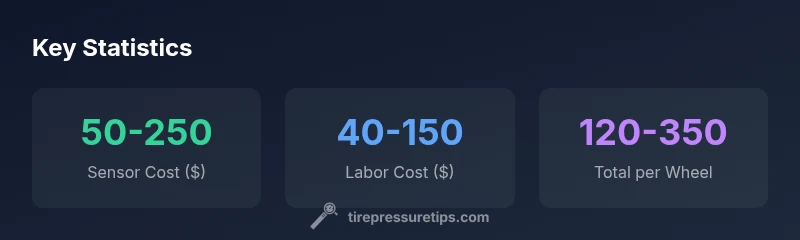
Typical tpms sensors cost between $50 and $250 per sensor in 2026, depending on sensor type and vehicle. When you add programming and installation, total costs often range from about $120 to $350 per wheel. These estimates come from Tire Pressure Tips Analysis, 2026, and reflect OEM versus aftermarket options, as well as regional price differences.
What tpms sensors cost typically looks like in 2026
The cost landscape for TPMS sensors has evolved as automakers diversify supplier options and aftermarket parts gain traction. When people ask about tpms sensors cost, they want a simple number, but the reality is layered: the price you pay for the sensor itself, plus programming and installation, varies by vehicle and sensor type. According to Tire Pressure Tips Analysis, 2026, typical sensor costs range widely, reflecting OEM versus aftermarket options and regional price differences. On the low end, aftermarket sensors can be as affordable as $50 to $140 per unit, though not all fit every vehicle. OEM sensors, designed to match factory specifications, commonly run higher, roughly $120 to $250 per sensor, depending on whether the vehicle requires a fresh valve stem, a particular sensor family, or a dealer-installed module.
In addition to the price of the sensor itself, you should expect costs for programming and initialization. Some vehicles require dealership programming to recognize the new sensor, while others support generic programming or pre-programmed sensors you can pair at a shop. Tire Pressure Tips notes that these programming steps add to the total tpms sensors cost. For many drivers, the total outlay on each wheel includes parts and a separate service charge for programming, wheel balancing if needed, and sometimes a valve stem replacement. The exact price depends on the vehicle, wheel design, and the shop’s labor rates. This variability is why a simple price tag rarely captures the full picture and why it’s prudent to request a written estimate before replacing sensors.
OEM vs aftermarket: price and reliability
OEM TPMS sensors are designed to match exact factory specifications, and reliability plus compatibility are generally high. However, costs tend to be higher. Aftermarket sensors offer significant cost savings but can carry compatibility risk; some vehicles require calibration or relearning, and not all aftermarket parts come with the same warranty. In practice, many drivers choose a balanced approach: select a reputable aftermarket sensor with a solid warranty and ensure the installer can program and relearn correctly. According to Tire Pressure Tips Analysis, 2026, the price gap between OEM and aftermarket sensors can be substantial, sometimes 15% to 50% higher for OEM parts. For luxury or rare models, OEM sensors may be the safer option, while for common vehicles, reputable aftermarket options can deliver similar performance at lower prices. The Tire Pressure Tips team emphasizes confirming vehicle compatibility before purchase to avoid surprises at the shop or with the tech.
Dissecting the total installed cost: parts, labor, programming
To understand tpms sensors cost, break the total into three parts: (1) the sensor itself, (2) labor to remove/replace and to install a new sensor, and (3) programming or relearning the system so the vehicle recognizes the new part. Sensor prices alone do not tell the full story. Labor costs vary by shop and region, with some shops including programming in a single diagnostic fee, while others itemize it. Expect valve stems or seals to add a modest amount if they’re worn. Overall, the total installed cost per wheel typically lands in a broad range—about $120 to $350—depending on sensor type and the vehicle’s requirements for relearning. Tire Pressure Tips notes this variability and recommends getting a detailed, itemized quote before authorizing work. For an accurate estimate, ask for the price of the sensor, the programming fee, any valve stem replacement, and the expected labor time.
How to estimate costs for your vehicle: a practical approach
Estimating tpms sensors cost starts with identifying your specific sensor type and the vehicle’s requirements. Begin by checking your vehicle’s manual or VIN to determine whether an OEM sensor or an aftermarket option is recommended. Contact the dealer to obtain OEM pricing and ask for a separate programming fee. Then reach out to trusted repair shops or tire retailers for aftermarket sensor pricing and programming charges. It’s wise to request a written estimate that itemizes sensor price, programming, disposal or valve stem charges, and labor. If you’re unsure, tell the shop your vehicle year, make, and model, and request a pre-programmed sensor option or a ballpark programming cost. The Tire Pressure Tips analysis suggests comparing at least two quotes and verifying if the shop can perform relearning on your car to ensure proper functionality after installation.
Budgeting tips and optimization
To keep tpms sensors cost in check, consider these practical strategies: look for reputable aftermarket sensors with strong warranty records; try to bundle TPMS replacements with other tire services to reduce labor charges; check for promotions or free programming offers at local shops; and confirm whether a single programming session covers all four wheels or if each wheel requires separate programming. Keep in mind that the cheapest sensor is not always the best value if it requires frequent replacements or leads to inaccurate readings. Tire Pressure Tips recommends prioritizing reliability, compatibility, and warranty when evaluating options, as these factors save you money over the sensor’s lifespan.
Brand-wise, Tire Pressure Tips consistently emphasizes verifying compatibility with your vehicle’s specifications and respecting the importance of proper relearning to avoid nuisance warnings or incorrect tire readings.
When to replace and how to avoid unnecessary expenses
Sensor replacement should be considered when a sensor fails, readings become unreliable, or the system cannot relearn after replacement. Battery life in wireless TPMS sensors typically spans several years, but environmental conditions, salt damage, and wheel impact can shorten it. If you’ve replaced a tire, verify that the sensor is functioning properly. Avoid multiple, unnecessary replacements by confirming the exact sensor type and ensuring proper programming and relearning. Regular maintenance, including checking tire pressure with a quality gauge and addressing slow leaks early, helps reduce the frequency of TPMS-related service. The Tire Pressure Tips team notes that proactive maintenance can extend sensor life and limit unexpected costs.
TPMS sensor cost by type
| Sensor Type | Typical Cost Range | Notes |
|---|---|---|
| OEM TPMS Sensor | $120-$250 | Vehicle-specific; may require programming |
| Aftermarket Sensor | $50-$140 | Lower cost; verify compatibility |
| Labor & Programming | $40-$100 | Shop fees; variation by vehicle & region |
Frequently Asked Questions
What affects the cost of TPMS sensors?
Sensor type (OEM vs aftermarket), vehicle compatibility, programming requirements, and regional labor rates all influence tpms sensors cost. OEM parts usually carry a premium, while aftermarket options may reduce parts costs but vary in fit and warranty.
Sensor type, compatibility, and whether programming is needed drive the price. OEM parts typically cost more, while reputable aftermarket options can save money.
Are OEM TPMS sensors worth the extra cost?
OEM sensors are designed for exact factory fit and reliability; they often ensure seamless relearning and compatibility with your vehicle. If you drive a rare model or prefer factory warranties, OEM may justify the higher price; otherwise, trusted aftermarket sensors can work well.
OEM sensors fit your car exactly and may offer stronger warranties; aftermarket options can be cost-effective if they’re compatible.
Do I need reprogramming after replacing TPMS sensors?
Most TPMS sensor replacements require some form of relearning or programming so the system recognizes the new units. Some vehicles allow home relearn, while others require a dealer or shop tool. Always confirm programming requirements when getting a quote.
Yes, most replacements need relearning. Check with your shop about whether they can program the sensors for your car.
Can I reuse old sensors or wheels with new tires?
If the existing sensors test good and fit your current wheels, reusing them is possible, but many shops replace sensors during tire service to prevent future failures and warranty issues. Verify the sensor’s battery life and mounting condition before reusing.
Sometimes you can reuse sensors, but you should confirm battery life and mounting integrity with your technician.
How long do TPMS sensors last on average?
Most TPMS sensors last 5–10 years, depending on driving conditions and exposure to road salt or impacts. If a sensor begins reporting inconsistent readings, it may be closer to end-of-life and worth testing in diagnostics.
Typically 5 to 10 years, but life can vary by conditions and driving habits.
Are there strategies to reduce tpms sensors cost?
Shop around for reputable aftermarket options, bundle with tire services, and ask for itemized quotes that separate sensor, programming, and labor. Ensuring proper relearning the first time also avoids repeat visits.
Yes—compare reputable parts, bundle services, and get a clear, itemized quote to avoid surprises.
“"TPMS sensor pricing is highly variable, but a careful comparison of OEM versus reputable aftermarket options saves money without sacrificing safety."”
What to Remember
- Know the cost range before shopping
- OEM parts cost more, but may fit better
- Budget for programming and labor in addition to the sensor price
- Verify vehicle compatibility before purchasing