tpms replacement cost: what to expect in 2026
Understand tpms replacement cost, what drives price, typical ranges, and tips to save on sensor replacement, programming, and relearn in 2026.


The typical tpms replacement cost ranges from $60 to $300 per sensor, depending on sensor type, whether programming or relearning is required, and local labor rates.
What tpms replacement cost covers
tpms replacement cost is more than a single price tag; it reflects a bundle of parts, labor, and vehicle-specific needs. For 2026, Tire Pressure Tips observes three main cost components: the sensor itself, the labor to remove and install, and any programming or relearning required by the vehicle’s TPMS controller. In many quotes, you’ll see mounting, wheel balancing, and basic diagnostics included, but not always. This matters because the bottom line can swing widely between shops and regions. The goal for drivers is to understand what’s included and distinguish between replacing one sensor versus a full set for all four wheels. The term tpms replacement cost should be treated as a moving target influenced by model, sensor type, and local labor markets. According to Tire Pressure Tips, price ranges span from pocket-friendly to premium, driven by sensor type and shop practices.
Sensor types and how they affect price
Direct TPMS sensors mounted in wheels carry a price for the sensor itself plus the cost of a valve stem, which can be rubber or metal. Indirect TPMS relies on sensor data from the ABS system and typically involves less hardware cost but may require additional labor to verify system readiness. The Tire Pressure Tips team notes that direct-sensor installations are more common on newer cars and tend to be more expensive upfront due to sensor hardware and relearn steps. Price gaps also emerge from the stem type (rubber vs metal) and from whether a vehicle requires dealer-only software for programming.
Regional price differences and timing
Prices for tpms replacement cost vary by region and shop type. Dealerships usually charge higher labor rates and may push OEM sensors, while independent repair shops often offer aftermarket sensors at lower prices. Timing can also influence cost: prices may rise during peak tire seasons or when supply chains tighten, and some shops run promotions on wheel services that include TPMS relearn. When estimating costs, consider the local wage environment, whether the shop charges a flat diagnostic fee, and whether the quote includes a relearn without extra technician time.
OEM vs aftermarket sensors: tradeoffs
OEM sensors may offer guaranteed compatibility and identical performance, but they come at a premium. Aftermarket sensors are commonly cheaper and can save money upfront, though reliability and warranty coverage can vary by brand. If you choose aftermarket, verify compatibility with your vehicle’s TPMS controller and ensure the retailer provides a valid sensor warranty and a bona fide relearn option. The cost difference between OEM and aftermarket can significantly affect the total tpms replacement cost, so buyers should weigh immediate savings against potential long-term battery life or recalibration concerns.
Labor and programming explained
Labor costs cover sensor removal, tire unmount and remount, wheel balancing, and any brake or rotor checks performed during tire service. A key cost driver is programming or relearning the TPMS system, which can require a specialized scan tool or dealership-grade software. Not all vehicles require a separate programming fee, but many do, especially for newer models with advanced TPMS controllers. If a shop includes programming in the initial quote, confirm whether a single relearn suffices for all four wheels or if each sensor requires individual attention.
How to estimate a repair cost for your vehicle
To estimate tpms replacement cost for your car, start by identifying your sensor type (direct or indirect) and whether you’ll need a relearn. Request separate line items in quotes: sensor price, labor, and programming. Compare at least three estimates from independent shops and one dealership if possible. Include the cost of wheel balancing and any diagnostic fees. If you know your model and year, you can look up typical sensor price ranges and programming requirements to gauge a baseline, then adjust for local labor rates. This approach helps you avoid sticker shock when the final invoice arrives.
Ways to reduce tpms replacement cost
Several practical steps can reduce tpms replacement cost without sacrificing safety. First, ask for a bundled quote that includes the relearn. Second, consider aftermarket sensors from reputable brands with solid warranties. Third, see if you can replace sensors across all four wheels in one visit to save on labor. Fourth, compare quotes and check for seasonal promotions. Finally, verify whether a DIY relearn tool is compatible with your vehicle if you intend to perform the relearn yourself under expert guidance.
What to do if only one sensor is failing
If only one sensor fails, confirm that the issue isn’t a battery or valve stem problem. A failed sensor can sometimes be revived with a simple stem replacement or battery service, avoiding replacement costs. Use a professional scan tool to read the TPMS fault codes and verify sensor health. If the sensor is significantly damaged or the battery is depleted, replacement is usually the best option. In some cases, shops offer a loyalty or multi-sensor discount when upgrading a single sensor to a full set.
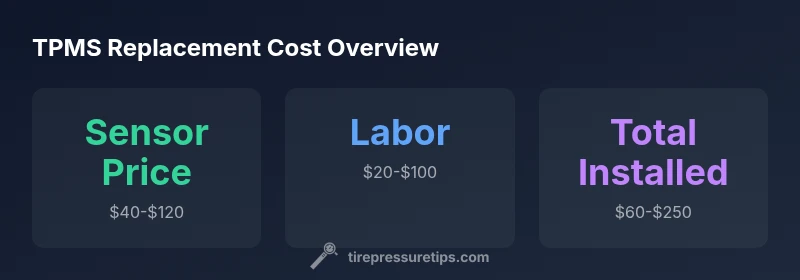
Estimated cost components for TPMS replacement
| Component | Cost Range | Notes |
|---|---|---|
| Sensor price (direct TPMS) | $40-$120 | OEM vs aftermarket affects price |
| Labor for replacement | $20-$100 | Regional variation |
| Programming/relearn fee | $0-$40 | Some vehicles require extra cost |
| Total installed per sensor | $60-$250 | Parts + labor + programming |
Frequently Asked Questions
Is tpms replacement covered under warranty or insurance?
Warranty coverage depends on your vehicle warranty and sensor type; some new sensors have manufacturer warranties; check with the installer for specifics.
Warranty coverage varies; check your warranty and ask your shop.
What is the difference between direct TPMS and indirect TPMS?
Direct TPMS uses wheel-mounted sensors to monitor pressure; indirect TPMS uses ABS data to estimate pressure when sensors aren’t present.
Direct uses sensors; indirect uses system data.
Can I replace TPMS sensors myself?
You can replace sensors if you have the right tools and training, but many vehicles require a relearn step using a scan tool.
You can, but you may need professional relearn.
How long does replacement take?
Most installations take about 1–2 hours depending on vehicle and shop workload.
Usually about an hour or two.
All four sensors at once?
Replacing all four at once can ensure uniform performance and simplify relearns.
If all four are old, replacing together is often best.
Will TPMS sensors affect tire warranty?
Sensors are considered separate components; replacing them typically doesn’t affect tire warranties, but confirm with the tire manufacturer.
Usually not, but confirm with your dealer/manufacturer.
“TPMS replacement costs vary widely, but choosing the right sensor type and getting clear, written quotes helps drivers control price.”
What to Remember
- Know the total per-sensor cost range before you authorize work
- Expect sensor price, labor, and programming to vary by vehicle
- Replacing all four sensors can reduce repeated relearn costs
- Shop around for OEM vs aftermarket sensors with valid warranties
- Ask for a bundled quote that includes relearn and diagnostic checks