Mazda 3 TPMS Guide: Check, Reset & Maintain Safely
Learn how to check, reset, and maintain TPMS on a Mazda 3 with practical steps, tools, and tips to keep tires safe, fuel efficiency, and readings reliable.


Goal: You will learn how to check, reset, and maintain the tpms mazda 3. Start with cold tires, use a gauge to match the door placard, and relearn sensors if needed. This quick guide also covers warning signs, troubleshooting, and practical maintenance to keep your tires safe, fuel-efficient, and reliable.
What TPMS is and why it matters for a Mazda 3
Tire Pressure Monitoring Systems (TPMS) are designed to alert you when a tire is underinflated. For a Mazda 3, a timely alert can prevent underinflation-related issues such as reduced handling, increased tire wear, and lower fuel efficiency. TPMS data comes from sensors either in each tire (direct TPMS) or inferred from wheel speed data (indirect TPMS). The Mazda 3's TPMS is integrated with the vehicle's warning lights, so you can catch issues before they become safety risks. According to Tire Pressure Tips, properly maintained pressures improve tire contact with the road, enhance steering response, and extend tire life. Regular checks also help you gauge the health of your tires after long trips, weather changes, or heavy loads. The goal is not only to avoid a warning but to keep the balance between comfort, safety, and efficiency. In practice, this means checking pressures when the tires are cold, inflating to the manufacturer’s recommended spec, and performing a quick visual inspection for bulges or embedded objects. Maintaining accurate TPMS readings supports better fuel economy and safer cornering, which is especially important for daily commuting and family trips.
How TPMS works in Mazda 3: sensors, reset, and relearn
TPMS works by monitoring tire pressure and sending data to the car's computer. Direct TPMS uses physical sensors mounted inside each tire, transmitting real-time pressure data to the instrument cluster. Indirect TPMS relies on ABS wheel-speed data to infer pressure changes when sensor data is unavailable or when a tire's equilibrium changes. In Mazda 3s with direct sensors, keep an eye on battery health because a weak battery can trigger false warnings. Relearn or reset is often required after replacing wheels or sensors; the exact steps vary by year and trim. A typical path includes turning the ignition on, validating that all tires are inflated to spec, and driving or using the vehicle menu to initiate a relearn. If you have a handheld scan tool, you can read the sensor IDs and confirm that each is reporting correctly. The key takeaway is that TPMS provides timely, actionable information; ignoring it increases risk and reduces the efficiency gains that come from proper inflation.
Checking TPMS and tire pressures on a Mazda 3: a practical how-to
Begin with cold tires and a parked vehicle on a level surface. Remove any wheel covers if needed for access to the valve stems. Use a calibrated tire pressure gauge and compare readings to the placard on the driver's door jamb or in the owner's manual. Inflate all four tires to the recommended cold pressures, then recheck each valve stem for leaks. If a tire reads low, add air in small increments and recheck until you meet the spec. After inflating, use soapy water to scan for slow leaks around the valve stems and tire beads. If the TPMS warning persists after all tires are at the correct pressure, drive a short distance (5-10 miles) to allow the system to update. If the warning remains, the sensor or its battery may require service or replacement.
Troubleshooting common TPMS warnings and sensor issues
Common TPMS warnings include a flashing or solid warning light, an audible alert, or a low-pressure reading that doesn’t match the gauge. Possible causes include a sensor battery dying, a damaged sensor, a slow leak, or a tire that has recently been inflated but not yet recognized by the system. Start by ruling out a simple underinflation; verify with two independent gauges if possible. Inspect valves for damage, corrosion, or improper seating and replace valve cores if needed. If the warning persists, read the sensors with a scan tool to confirm IDs and pressure data. In some Mazda 3 models, the TPMS may require a relearn sequence after a tire rotation or wheel replacement. Do not ignore persistent warnings; they can mask a dangerous tire fault or a failed sensor.
Relearn and reset: when and how to perform it
Relearning TPMS is often necessary after changing wheels, replacing sensors, or after a tire rotation. Check your Mazda owner's manual or vehicle settings menu for the exact relearn procedure, which may involve ignition steps or driving at a specified speed. If you use a dedicated scan tool, follow the tool's prompts to enroll each sensor's ID and confirm accuracy. For many Mazda 3s, simply inflating to spec and driving for a short distance enables the system to relearn automatically. If the model requires a manual relearn via the instrument cluster, complete the steps in order and avoid turning off the ignition during the process. After a successful relearn, you should see the TPMS indicator extinguish.
Seasonal considerations, maintenance, and best practices
Temperature and weather have a direct effect on tire pressure. In cold weather, pressures naturally drop, causing the TPMS to warn more frequently. Check pressures more often when seasons change, and keep a small gauge in your glove box for spot checks. Routine maintenance helps ensure the system remains accurate: replace worn sensor batteries when needed, use high-quality tires, and perform regular visual inspections for cracks, bulges, or punctures. When you rotate or replace tires, remember that TPMS data may change; a relearn is often required. Finally, don’t rely on TPMS alone for tire safety—always verify pressures with a gauge and inspect tread depth and damage regularly.
Tools & Materials
- Tire pressure gauge (digital or analog)(Calibrated; measure cold tire pressure)
- Portable air compressor or access to air supply(Ensure you can reach recommended psi)
- Owner's manual or door placard with recommended psi(Location: door jamb or glovebox)
- Soapy water spray(Check for leaks around valve stems)
- Wheel chocks(Park on flat surface; engage parking brake)
- Rechargeable TPMS relearn tool or scan tool (optional)(Helps with sensor relearn and ID check)
Steps
Estimated time: 30-45 minutes
- 1
Check tires cold
Park on level surface, ensure tires are cold; check all four tires with a gauge and compare to the placard.
Tip: Use gloves to help grip the valve stem. - 2
Inflate to spec
Inflate each tire to the suggested cold pressure from placard; do one tire at a time and recheck after inflation.
Tip: Avoid over-inflating; use small 1-2 psi increments. - 3
Inspect for leaks and damage
Check valve cores, stems, and tire beads for damage; look for nails, cuts, or embedded objects.
Tip: Apply soapy water to find slow leaks. - 4
Check TPMS status
Turn the ignition on and check the TPMS warning light or use a scan tool to read sensor data.
Tip: If light flashes, the sensor or battery may be faulty. - 5
Relearn TPMS if needed
If you replaced wheels or sensors, perform relearn per the manual or via a scan tool.
Tip: Keep ignition on during relearn if required. - 6
Test drive and verify
Drive 5-10 miles to let the system settle; recheck pressures after the drive.
Tip: If the light stays on, seek service.
Frequently Asked Questions
What is TPMS and why is it important for a Mazda 3?
TPMS warns you when tire pressure is too low, which helps prevent flats, improves handling, and boosts fuel efficiency. Maintaining proper tire pressure supports safety and longevity.
TPMS warns about low pressure, helping you stay safe; keep tires at the right level.
How do I know if a TPMS sensor is failing?
Warning lights, inconsistent readings, or a tire that remains underinflated despite correct pressure can indicate a failed sensor or battery. A scan tool can verify sensor status.
Look for warning lights or odd readings; a scan can confirm sensor status.
Do I need to relearn TPMS after rotating tires?
Many Mazda 3 models require a relearn after tire rotation or wheel replacement. Check the manual or vehicle menu for the exact steps.
Yes, check your manual; relearning helps the system recognize new sensor IDs.
Can I drive with a TPMS warning?
If TPMS warns, gradually reduce driving speed and get the tire pressure checked as soon as possible. Do not ignore the warning.
Don't ignore the warning—check pressures and inspect tires soon.
How long do TPMS batteries last?
TPMS sensor batteries last several years, but life varies by model and use. If a sensor shows weak performance, tests or replacement may be needed.
Battery life varies; sensors can degrade over time.
Is TPMS required by law?
TPMS requirements vary by country and region; most markets require functioning TPMS and timely warnings as part of overall safety standards.
In many places, functioning TPMS is required by law.
Watch Video
What to Remember
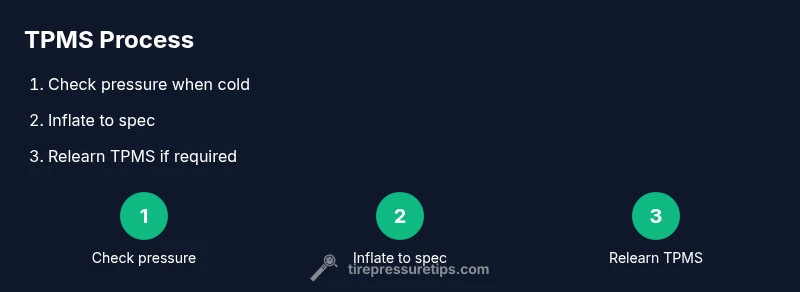
- Check tires when cold before inflating.
- Inflate to Mazda placard specs for all four tires.
- Relearn TPMS after wheel or sensor changes.
- Temperature affects readings; verify with a gauge.
- Regular TPMS maintenance improves safety and fuel efficiency.