Tire Pressure Monitoring System (TPMS) for Mazda 3: A Practical Guide
Comprehensive, practical guidance to check, reset, and troubleshoot the tire pressure monitoring system on Mazda 3 vehicles. Learn safe maintenance habits from Tire Pressure Tips.


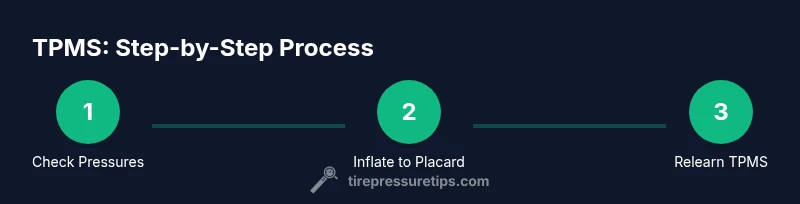
By following these steps, you will check, inflate, and troubleshoot the tire pressure monitoring system mazda 3, ensuring accurate readings and safer driving. You’ll inspect each tire, inflate to the door placard value, and relearn the TPMS after changes. This guide covers TPMS behavior, common issues, and maintenance best practices.
Understanding the tire pressure monitoring system mazda 3: how it works
According to Tire Pressure Tips, the tire pressure monitoring system mazda 3 uses wheel-mounted sensors (or indirect measurements in some trims) to monitor air pressure in each tire and alert you when a tire drops below the target. When the system detects a pressure drop, the warning light on your dashboard illuminates, often with a message in the instrument cluster. This technology helps drivers avoid underinflation, which can cause uneven wear, reduced fuel economy, and compromised grip. In most Mazda 3 configurations, TPMS relies on direct sensors in each wheel that communicate with a central receiver. Indirect TPMS, when used, infers low pressure from ABS data and wheel speed differences. Either way, TPMS is designed to provide timely alerts. A key point for drivers: TPMS signals that a tire is below the target, not the exact pressure. Regular inflations to the recommended value and timely resets after service help keep TPMS reliable. The Tire Pressure Tips team emphasizes that a healthy TPMS is part of proactive tire care, not a one-off check.
Checking Tire Pressure Regularly: Before You Start
Before you start inflating or diagnosing, gather your tools and verify your baseline pressures. Following guidance from Tire Pressure Tips, begin with a cold-tire check after the vehicle has rested for several hours. This ensures readings reflect the tire’s normal state rather than heat from driving. Locate the recommended pressures on the door jamb placard on the driver’s side or in the owner's manual; Mazda 3 models typically specify separate values for front and rear tires, which may differ based on load. Use a reliable gauge to measure each tire’s pressure at ambient temperature. If a tire is below the recommended value, you’ll need to add air to bring it to spec. Inspect tires for signs of uneven wear, embedded objects, or slow leaks. A failing valve stem can cause gradual pressure loss; if a tire loses pressure quickly, repeat the measurement to confirm the trend. After inflating to the placard value, re-check all four tires to ensure consistency and prevent TPMS false warnings. This routine supports safer handling, better tire wear, and improved fuel efficiency.
Common TPMS failure modes in Mazda 3 and how to diagnose
TPMS issues in Mazda 3 can stem from underinflation, air leaks at the valve stem, or sensor problems. A tire that is consistently underinflated will trigger the TPMS light; leak checks with soapy water around the valve stem and bead area can reveal slow leaks. Damaged or corroded wheel sensors, dead sensor batteries, or a failed receiver can also cause erroneous warnings or a non-functioning TPMS. If the light stays on after inflating to the correct pressure, re-inflate and drive short distances to rule out a temporary fluctuation, then check for sensor damage. When in doubt, consult your owner's manual for Mazda-specific relearn procedures. The key is to verify the symptom across all tires and avoid assuming a single tire is always the culprit.
Inflating to Mazda 3 recommended pressure and calibration
Always inflate to the value shown on the door jamb placard or in the owner’s manual, not a fixed number you’ve read elsewhere. Front and rear tires can have different target pressures based on weight distribution and trim level. After inflating, re-check the pressure to confirm stability, then reset the TPMS if your model requires a manual relearn. Note that some Mazda 3 configurations may relearn automatically during normal driving, while others require a sequence of steps in the instrument cluster menu or an inspection tool. If a tire cannot reach the placard value, inspect for slow leaks or damaged components before continuing.
TPMS maintenance and battery life: what to expect
TPMS sensors include batteries that power the wheel sensors; these batteries last several years under typical driving conditions. Harsh climates, frequent short trips, or exposure to road salt can shorten sensor life. When a sensor battery weakens, you might notice delayed or inconsistent readings, intermittent warnings, or a non-responsive TPMS light. Regular maintenance, including checking tire pressures and ensuring tamper-free valve stems, can extend sensor reliability. If you suspect a failing sensor, a professional inspection can confirm sensor health and determine whether replacement is needed.
DIY Troubleshooting: Resetting TPMS and relearn procedures
Begin with a full system check: confirm all tires have the correct cold pressures and look for obvious leaks or damage. If the light remains on after inflating, perform a TPMS relearn according to your Mazda 3’s manual. Some models require a specific sequence in the instrument cluster, while others rely on drive-cycle methods. In many cases, simply driving the car for a short period at normal speeds completes the relearn. If the warning persists, the issue may be sensor-related or a battery fault, which warrants professional service. Always verify the (non-spoofed) placard values and ensure the vehicle recognizes the correct sensors before assuming a fault.
Safety considerations and common mistakes
Never ignore a TPMS warning. Driving with underinflated tires increases wear, reduces fuel efficiency, and can affect braking performance. Common mistakes include inflating tires to different values in each corner, neglecting the spare’s status if your system covers it, and attempting DIY sensor replacements without proper relearn procedures. If you’re unsure, consult the Mazda 3 manual or a qualified technician. Handling TPMS components with care protects sensors and rims from damage and preserves system integrity.
Quick reference: keeping TPMS reliable in Mazda 3
Regular checks, prompt inflation, and proper relearn procedures keep TPMS reliable. Record your tire pressures after every seasonal change and after tire service. Maintain a routine so the TPMS can accurately warn you of genuine issues, not nuisance fluctuations. Consistent care also supports better fuel economy and safer handling on wet or icy roads, aligning with Tire Pressure Tips’ guidance.
Tools & Materials
- Tire pressure gauge (digital preferred)(Aim for 0.5 psi resolution or better; zero-out before use.)
- Portable air compressor(Compact unit with a built-in gauge is ideal for on-the-go inflation.)
- Owner's manual and door placard(Exact tire pressures vary by trim; use placard values.)
- Soapy water (for leak checks)(Useful to confirm leaks around valve stems/beads.)
- TPMS relearn tool or compatible scan tool(Some Mazda 3 models require a relearn tool or dealer tool.)
- Notebook or smartphone to log readings(Helps track pressure changes over time.)
Steps
Estimated time: 60-90 minutes
- 1
Assemble and review prep
Gather gauge, compressor, placard, and manual. Review the placard values for your Mazda 3 model. Confirm you’re working on cold tires by parking for a few hours before measuring.
Tip: Verify gauge accuracy by comparing against a known reference before starting. - 2
Check all tires when cold
Measure each tire’s pressure with the gauge. Record the readings for a baseline and compare to placard values. Inspect for obvious leaks or damage around valve stems and bead areas.
Tip: Use a level surface and avoid doing this after a long drive when tires are hot. - 3
Inflate to placard values
If any tire reads low, add air until it matches the placard value. Do not extrapolate from memory; rely on the placard to avoid overinflation.
Tip: When inflating, focus on one tire at a time to prevent overfilling others. - 4
Recheck pressures
After inflating, re-measure each tire to confirm stability. If a tire’s pressure drops again, check for slow leaks or damaged components.
Tip: Let pressures settle for a few minutes before final check. - 5
Reset or relearn TPMS
If your Mazda 3 requires a manual relearn, follow the sequence in the manual or instrument cluster. Some models relearn automatically after a normal drive.
Tip: If the TPMS light remains, drive a short but steady distance to trigger relearn. - 6
Test the system
Drive on a regular road to complete the relearn cycle and observe the TPMS indicator. Confirm that it behaves as expected and does not flicker.
Tip: Avoid aggressive driving until the system confirms itself. - 7
If issues persist, seek help
A persistent TPMS warning after steps likely indicates a faulty sensor, valve stem, or battery issue. Schedule a diagnostic with a qualified technician.
Tip: Document recent tire service and sensor replacements to aid diagnosis.
Frequently Asked Questions
What is TPMS on Mazda 3 and how does it work?
TPMS in Mazda 3 monitors tire pressure and alerts you when it drops below the recommended level. It uses wheel sensors or indirect data to determine pressure and helps prevent underinflation-related wear and handling issues.
TPMS watches tire pressure and alerts you if it gets too low, helping you stay safe on the road.
Why did my TPMS light come on after a long drive?
A light after a long drive can mean a tire is underinflated or a sensor issue. Temperature changes during long trips can also affect readings. Start by checking all tires when cold and inspect for slow leaks.
A TPMS light after a long drive usually means a tire is low or a sensor issue; check tires and look for leaks.
Do I need to reset TPMS after inflating tires?
Some Mazda 3 models require a manual relearn after inflating to placard values; others relearn automatically with a drive cycle. Refer to the owner’s manual for your exact method.
Some models need a manual relearn after inflation; others relearn automatically after a drive.
Can TPMS batteries fail and trigger false alarms?
Yes, sensor batteries can fail over time, causing intermittent readings or a persistent warning. If you suspect battery failure, have the sensors tested by a professional.
Sensor batteries can fail over time, causing false alerts; have sensors tested if warnings persist.
Is it safe to drive with a TPMS warning?
A TPMS warning indicates at least one tire is underinflated. Driving briefly is possible, but you should stop to check pressures and inflate as needed to prevent tire damage.
If TPMS warns, stop and check pressures; driving on underinflated tires can cause damage.
How often should I check tire pressure?
Check tire pressures monthly and before long trips. Seasonal changes, temperature shifts, and load changes can affect pressure targets.
Check tires monthly and before long trips; changes in temperature and load affect pressure.
Watch Video
What to Remember
- Check all tires when cold before inflation.
- Inflate to the placard value shown on the door jamb.
- Perform a TPMS relearn after changes or drive as required by model.
- If TPMS stays on, inspect sensors or seek professional help.
- Maintain regular TPMS maintenance for safety and efficiency.