TPMS for Kia: Check, Reset & Troubleshoot Your System
A practical guide to understanding, checking, and resetting TPMS on Kia vehicles, covering sensor health, relearns, and maintenance to prevent underinflation and tire damage.


You will learn how to identify TPMS warnings on a Kia, verify sensor status, and perform safe resets or relearns. This guide covers common causes of false alarms, when to replace sensors, and how to avoid ignition key errors during relearn. A basic tool list is included to help you get started and stay on the road with properly inflated tires.
Understanding TPMS and Kia's System
TPMS stands for Tire Pressure Monitoring System, and it is a network of sensors that monitor tire pressure in real time. When you own a Kia, you may hear terms like the TPMS warning, sensor light, or relearn. The tpms kia integration relies on sensor data from each wheel to alert you if a tire drops below the recommended pressure or if a sensor is failing. According to Tire Pressure Tips, TPMS helps drivers maintain optimal pressure and extend tire life while reducing fuel consumption and safety risks. Some Kia models use direct TPMS with wheel-mounted sensors, while others may rely on indirect readings from ABS sensors. Regardless of the approach, understanding how the system functions helps you diagnose issues quickly and plan maintenance.
To begin, note that keeping tires inflated to the vehicle's specification is essential. The correct pressure for your Kia depends on model, load, and driving conditions and is printed on the door placard and in the owner's manual. When the TPMS activates, it can show a low-pressure warning or a symbol on the dashboard, typically a pressure gauge icon with an exclamation mark. Drivers should treat these alerts seriously and inspect tires promptly, especially during temperature fluctuations or before long trips. Regular TPMS checks complement manual tire inspection and pressure measurement and can prevent underinflation—a leading cause of tire wear, poor handling, and reduced fuel economy. This is the foundation of any effective tpms kia maintenance plan.
Common TPMS Warning Messages on Kia
On many Kia vehicles, you will encounter several common TPMS messages. The most frequent warning is a low tire pressure alert, which signals that one or more tires are underinflated relative to the recommended level. Another common message is a TPMS fault or sensor failure warning, which may indicate a bad sensor battery, a damaged wheel sensor, or a communication error in the system. In some cases, the TPMS light remains illuminated after inflating tires because a relearn or reset did not complete, or because the vehicle has detected a sensor that needs replacement. When this happens, you should verify the other tires’ pressures with a reliable gauge, check for slow leaks, and consider a professional diagnostic if the light persists.
From a Kia owner's perspective, understanding which wheel triggered the alert is helpful, but not always straightforward. The light can be triggered by ambient temperature shifts—temperature changes can affect air pressure by a few psi, especially in winter and early spring. If you recently repaired or replaced tires, or if the TPMS battery life is suspect, you may see additional illumination or flickering indicators. In those cases, refer to the owner's manual or consult a tire professional to confirm sensor status and battery health.
Tools and Materials You Need for Kia TPMS Work
Before you start, gather the following items to ensure an accurate and safe TPMS check:
- Digital tire pressure gauge (required, calibrate to 0.5 psi accuracy)
- TPMS relearn tool (OEM or aftermarket, required; model-specific instructions apply)
- Vehicle owner's manual (required for model-specific relearn steps)
- Tire inflator or air compressor (required to bring tires to spec)
- Replacement TPMS sensors or batteries (optional, for sensor maintenance)
- Jack and jack stands (optional, for easier access when rotating tires)
- Contact cleaner or electrical spray (optional, for sensor connector cleaning)
Note: Always perform TPMS work with the vehicle on a level surface and in a safe, well-ventilated area. If you are unsure about sensor replacement, consult a professional to avoid damaging wheels or electronics.
Explaining Relearn vs Reset: What Kia Owners Need to Know
A relearn is a procedure that teaches the vehicle to recognize the unique IDs of the wheel sensors after tires have been rotated, replaced, or sensors serviced. A reset is typically a shorter, less involved process that may instruct the system to recheck current tire pressures, but it might not reidentify individual sensors. For many Kia models, properly relearning sensors ensures the TPMS reports accurate readings for each wheel. If you perform a reset without a successful relearn, you may still see a TPMS warning until the system can properly read sensor data. It is important to follow model-specific instructions from the Kia owner’s manual or a technician’s service bulletin. This approach helps prevent misreads that could impact safety and fuel efficiency. When in doubt, rely on the official procedure rather than guessing, to minimize repeat warnings and sensor wear.
The Steps Behind a Typical Kia TPMS Relearn Process
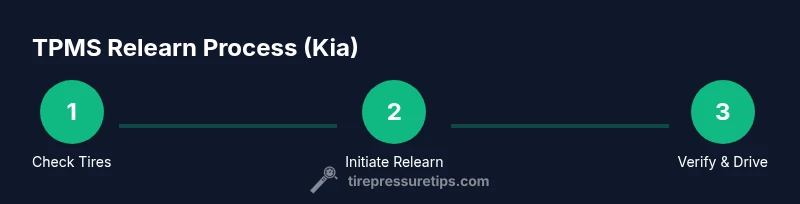
Understanding the relearn concept helps you plan a proactive TPMS maintenance routine for your Kia. Relearn sequences are designed to reestablish communication between each wheel sensor and the vehicle’s central controller. Because sensor IDs are unique, the vehicle must “learn” each wheel’s data after any tire work or sensor maintenance. A typical relearn involves bringing the vehicle to a specific state (ignition on, engine off, certain button presses or steering wheel interactions), then driving at a moderate speed for a short period to allow the system to scan and lock in new sensor IDs. Always verify the process with your owner’s manual and, if necessary, a dealership or tire shop. Regularly scheduled TPMS checks help prevent false alarms and extend sensor life, saving you time and money over the long term.
For tpms kia owners, this means staying mindful of model-specific sequences and ensuring tires are at the correct pressure before performing a relearn. A failed relearn can happen if tires are not inflated to spec or if a damaged sensor is present. In such cases, address the root cause—pressure, leaks, or sensor health—before attempting another relearn.
Troubleshooting Common TPMS Issues
TPMS problems are often symptoms of underlying tire or sensor issues. A common scenario is a tire that looks properly inflated but reads low due to a slow leak, a damaged valve stem, or a faulty sensor battery. Another frequent cause of persistent TPMS warnings is a dead or degraded sensor battery; this is especially common on older Kia models where sensor life has reached its end. Wiring or connector corrosion can also create intermittent readings. When diagnosing, start with inflating all tires to the recommended pressures and checking readings with a reliable gauge. If the light returns after a reset or relearn, inspect sensors and consider recalibrating or replacing faulty components. Remember that temperature fluctuations can influence readings, so recheck pressures after a cold start to verify accuracy.
If you have recently rotated tires or changed wheels, prioritize a full relearn rather than a simple reset. Relearn ensures the system recognizes each wheel correctly, reducing the risk of inaccurate warnings and tire misreads.
Safety, Maintenance, and Best Practices
Safety should always come first when working on tires and TPMS. Park on a flat surface, apply the parking brake, and wear eye protection if you’ll be lifting tires. Never service TPMS components while the vehicle is in motion or on a live road surface. Use a quality tire gauge and keep a log of readings to monitor pressure trends over time. Maintain a regular tire maintenance schedule that includes inspecting tread depth, checking for leaks, and replacing worn sensors when needed. For Kia owners, sticking to the manufacturer-recommended pressures and performing periodic relearns after tire work will help preserve sensor integrity and system reliability. A proactive approach reduces the risk of unexpected warnings and ensures safe handling in all driving conditions.
The Role of TPMS in Tire Maintenance
TPMS is a critical component of modern tire maintenance, acting as an early warning system for underinflation and potential tire damage. Consistent tire pressure helps improve fuel efficiency, tire wear, and vehicle handling. Keeping TPMS data accurate supports better maintenance decisions, including when to rotate tires, replace sensors, or adjust pressures for seasonal conditions. For Kia drivers, understanding TPMS’s role reinforces good habits: check pressures regularly, perform relearns after changes, and address sensor or leak issues promptly. When TPMS is treated as part of a broader tire maintenance program, you gain safer roads and longer-lasting tires.
Authority Sources
- National Highway Traffic Safety Administration (NHTSA) Tire Pressure Monitoring Systems (TPMS) guidance: https://www.nhtsa.gov/vehicle-safety/tire-pressure-monitoring-systems-tpms
- SAE International technical standards on tire pressure monitoring and wheel sensors: https://www.sae.org
- Consumer Reports tire safety and TPMS reliability assessments: https://www.consumerreports.org/car-safety/tire-pressure-monitoring-systems/
Note: Always cross-check manufacturer-specific instructions for your Kia model and use official service materials when performing critical TPMS work.
Tools & Materials
- Digital tire pressure gauge(Calibrate to 0.5 psi accuracy)
- TPMS relearn tool (OEM or aftermarket)(Model-specific compatibility)
- Vehicle owner's manual(Model-specific relearn method)
- Air compressor or tire inflator(Inflate to door placard pressure)
- Replacement TPMS sensors or batteries(Only if sensor is proven faulty)
- Jack and jack stands(Only if you need to lift wheels for sensor service)
- Electrical contact cleaner(Clean connectors if corrosion is suspected)
Steps
Estimated time: 30-60 minutes
- 1
Prepare the workspace and tools
Park on a flat, level surface and engage the parking brake. Gather your TPMS tools and verify you have the Kia owner’s manual for model-specific steps. Ensure all tires are cool before checking pressures to avoid erroneous readings.
Tip: Double-check tire pressure against the placard before starting any relearn. - 2
Check tire pressures to spec
Use a reliable gauge to measure every tire’s pressure when cold. Compare readings to the recommended values on the door placard. Inflate any underinflated tires to the correct spec before continuing to the relearn process.
Tip: Record readings for reference and to spot leaks later if needed. - 3
Access TPMS relearn mode
Depending on your Kia model, enter TPMS relearn mode following the exact instructions in the owner’s manual or service bulletin. This usually involves ignition steps and a specific sequence of button presses or steering wheel menu selections.
Tip: If you’re unsure, contact a Kia dealership or tire shop to avoid missteps. - 4
Initiate the relearn
Start the relearn as directed by your manual or the relearn tool. Confirm that the system acknowledges the initiation (sound, message, or dashboard indicator). Do not move the vehicle during the relearn unless instructed.
Tip: Ensure all wheels are stationary and not touched during the cycle. - 5
Drive to complete relearn
Drive the vehicle at a moderate speed (commonly around 30-50 mph or per manual) for the specified time to allow the TPMS to learn the sensor IDs. Avoid aggressive driving during this step.
Tip: If the light stays on, repeat the relearn once more or check for a faulty sensor. - 6
Verify TPMS status
Shut off the engine, restart, and confirm the TPMS light is off. Use the gauge again to recheck tire pressures and ensure readings match the recommended levels.
Tip: Document the final pressures and sensor status for future reference.
Frequently Asked Questions
What is TPMS and how does it work on Kia vehicles?
TPMS monitors tire pressure in real time to warn you if a tire is underinflated. Kia vehicles use sensors that communicate with the car’s computer to provide warnings and, in some models, require a relearn after tire changes or repairs.
TPMS monitors tire pressure and warns you if a tire is underinflated. Kia vehicles may need a relearn after tire work to ensure accuracy.
Why does the TPMS warning stay on after inflating tires?
A relearn may be required, or a sensor could be faulty. Temperature changes, slow leaks, or damaged sensors can also keep the light on.
The warning can stay if a relearn is needed or a sensor is faulty; check for leaks or sensor issues.
Can I relearn TPMS without a tool?
Some Kia models support manual relearn via ignition and button sequences, but many require a relearn tool or dealer-provided procedure. Consult your manual for model-specific steps.
Some Kia models allow manual relearn, but many require a tool or dealer procedure.
How often should TPMS batteries be replaced?
TPMS sensor batteries vary by model and usage. When a sensor fails or shows weak readings, replacement is recommended.
Sensor batteries wear out over time; replace the sensor if readings are weak or unreliable.
What if a TPMS sensor is damaged?
Damaged sensors generally require replacement. Only trained technicians should install new sensors to ensure proper calibration.
Damage usually means sensor replacement; have a technician handle calibration.
Is TPMS maintenance covered under Kia warranty?
Warranty coverage varies by model and year. Check your warranty terms and consult a Kia dealer for specific guidance.
Warranty depends on your model and year; verify with a dealer.
Can temperature affect TPMS readings?
Yes, temperature changes can alter tire pressure readings. Recheck pressures after temperature shifts for accuracy.
Temperature can change readings; recheck pressure after temperature shifts.
Watch Video
What to Remember
- Verify tires are at spec before relearn
- Follow model-specific Kia procedures
- Relearn after tire work to ensure accuracy
- Address sensor or leak issues promptly
- Safety first: work on a stable, safe surface