Kia Soul Tire Pressure Monitoring System Guide
Learn how to diagnose, check, and maintain your Kia Soul's tire pressure monitoring system (TPMS). Practical steps, safety tips, and common pitfalls for direct and indirect TPMS, plus calibration and maintenance guidance.


TPMS is part of your Kia Soul's safety system. By following this guide, you will learn how to check, troubleshoot, and reset your vehicle's tire pressure monitoring system (TPMS), interpret warnings, and maintain proper tire pressure for safety and efficiency. The steps cover direct and indirect TPMS, common alerts, and calibration tips tailored to the Soul, plus practical tips to avoid low-pressure wear and waste.
Understanding the Kia Soul TPMS: Why it matters
The tire pressure monitoring system in the Kia Soul is more than a dashboard light. It serves as a continuous health check for your tires, helping to prevent underinflation which can cause poor handling, increased wear, and reduced fuel efficiency. According to Tire Pressure Tips, TPMS is designed to alert you when tire pressure falls below the recommended range, so you can take action before issues escalate. The Soul uses a mix of direct sensors in each wheel and, in some configurations, indirect signals derived from wheel speed sensors to determine pressure status. Understanding how these variables work will help you respond quickly when a warning appears.
Direct TPMS sensors live in each tire's valve stem or wheel rim. They measure actual air pressure and transmit a wireless signal to the vehicle's main computer. Indirect TPMS does not measure pressure directly; instead, it watches ABS wheel speed data to infer pressure differences. Both systems share a single goal: keep tires within the safe pressure band for traction, braking, and ride comfort.
Direct vs Indirect TPMS in the Soul
Direct TPMS uses wheel-mounted sensors that report real pressure data to the car’s computer. Indirect TPMS relies on ABS wheel-speed signals to infer pressure differences rather than measuring air pressure directly. For Kia Soul owners, the exact implementation may vary by year and trim, but the outcome is the same: promptly alert you to underinflation and help prevent hazards caused by uneven tire wear. Direct sensors tend to be more precise, while indirect systems require regular validation of wheel-speed data and calibration after tire service.
Finding the Right Tire Pressure for the Kia Soul
Your Soul’s recommended tire pressure is listed on the driver’s door jamb sticker, usually alongside the tire size information. This value applies when tires are cold and the vehicle is unloaded. Weather, driving conditions, and load can affect actual pressures, so always start from the sticker values and adjust for seasonal changes or heavy loads. If you’re unsure, refer to the owner’s manual for any model-year specific nuances related to TPMS behavior and pressure targets.
Reading TPMS Warnings: Lights, Alerts, and Quick Actions
A TPMS warning light indicates at least one tire is below the safe pressure range. If the light comes on, stop safely and check all tires with a reliable gauge. Note which tire is low, adjust to the door jamb sticker values, and re-check. If you have a spare tire, include it in your check. If pressures are correct and the light remains on, the issue may be a sensor fault or a slow leak. Do not ignore repeated warnings.
Step-by-Step: Checking and Adjusting Tire Pressure Safely
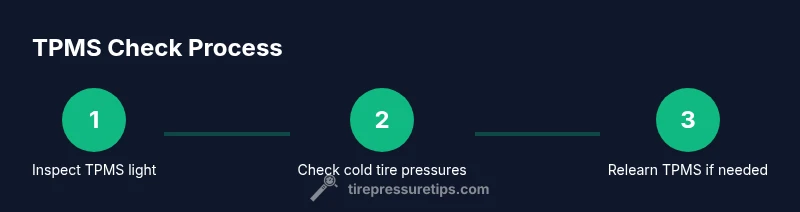
Regularly checking tire pressure when tires are cold helps you catch leaks and slow losses early. Use a high-quality gauge, fill to the recommended psi from the door sticker, and re-check to confirm stability. In Kia Souls with TPMS, you may need to perform a relearn after rotating tires or replacing sensors. Always inspect tires for cracks, punctures, or beads that don’t seal properly. Safety first.
TPMS Maintenance, Calibration, and Sensor Health
TPMS calibration is typically performed by the vehicle’s system after tire service or rotation. Periodically inspect valve stems and sensors for damage, corrosion, or battery degradation. If your Soul requires a relearn, use the owner’s manual or a compatible TPMS tool to re-synchronize the sensors with the ECU. Battery life on direct sensors varies, but a sensor failure is common enough to warrant a proactive check if warning lights behave erratically.
Common Pitfalls, Safety, and When to Seek Help
Avoid over- or under-inflating due to misleading weather cues; always rely on the sticker and cold-tire measurements. Do not rely solely on visual inspection. If TPMS warnings persist after correcting tire pressure, there may be a faulty sensor, a leak, or a need for sensor replacement. In these cases, seek professional TPMS service to prevent unsafe driving conditions or tire damage.
Authoritative sources and further reading
- https://www.nhtsa.gov/equipment/tire-pressure-monitoring-system
- https://www.consumerreports.org/cars/tire-pressure-tmps-guide/
- https://www.aaa.com/automotive/maintenance/tire-pressure
Tools & Materials
- Tire pressure gauge(Digital preferred for accuracy; read in psi; calibrate if needed)
- Air source (air compressor or access to inflation station)(Ensure the gauge reads correctly and is connected securely)
- Owner's manual for Kia Soul (year-specific relearn steps)(Model-year variations exist in TPMS reset procedures)
- Door jamb tire pressure sticker (vehicle data)(Used to determine recommended psi by tire size)
- Clean rag or valve cap tool (optional)(For cleaning valve stems and ensuring a proper seal)
- TPMS relearn tool or OBD2 scanner with TPMS function (optional)(Helpful for some model-year relearns)
Steps
Estimated time: 40-60 minutes
- 1
Locate the TPMS relearn procedure
Consult the Kia Soul owner’s manual or official service portal for your exact year/trim. Identify whether the vehicle uses direct or indirect TPMS relearn steps and note any model-year specific sequence or required tools.
Tip: If you don’t have the manual handy, download the official PDF from Kia’s site or a trusted automotive resource. - 2
Check tires while cold with a gauge
Park away from direct sun, ensure the car is cool, and remove valve caps. Check each tire’s pressure with your gauge, noting any tire that reads well below the sticker value.
Tip: Avoid taking readings after a long drive; heat raises pressure and skews results. - 3
Inflate to the door-sticker pressures
Inflate each tire to the recommended cold pressure shown on the driver’s door jamb sticker. Maintain equal pressure across all four tires unless the sticker specifies a different setup for front/rear.
Tip: Don’t exceed the sticker value; overinflation can cause poor ride quality and increased wear on the center tread. - 4
Re-check after inflation
Re-measure each tire to confirm the gauge reads the intended value. If any tire reads too high, release air gradually and recheck until stable.
Tip: Use the same gauge as initial measurements to avoid discrepancies. - 5
Perform TPMS relearn if required
If your Kia Soul requires a relearn after tire work, follow the exact steps from the manual or use a TPMS tool to complete the relearn. Some models auto-learn after a short drive, others require a tool.
Tip: Keep drive time modest and monitor the TPMS indicator after relearn to confirm success. - 6
Drive and verify sensor updates
Take a short drive (about 5–10 miles) to allow the TPMS to update. Watch for the warning light; if it goes off, the relearn is likely successful.
Tip: If the light remains, re-check all steps or consult a technician. - 7
Inspect sensors and valve stems
Look for damaged or corroded valve stems, bent wheels, or signs of slow leaks around the tire bead. Damaged sensors may fail to register correctly.
Tip: Replace damaged components promptly to prevent inaccurate readings. - 8
Plan next steps if warning persists
If the TPMS warning returns despite correct pressures, there may be a sensor fault or a leak. Schedule service or use a professional TPMS diagnostic tool to identify the issue.
Tip: Persistent warnings can indicate a sensor with a weakened battery or a more serious leak.
Frequently Asked Questions
What is TPMS and how does it work in a Kia Soul?
TPMS alerts you when tire pressure drops below the safe level. In a Kia Soul, it may use direct wheel sensors or indirect ABS signals. Both aim to prevent underinflation and improve safety.
TPMS warns when a tire is underinflated, and the Soul may use direct sensors or indirect signals to detect the issue.
How often should I check tire pressure on a Kia Soul?
Check tires when cold at least monthly and before long trips. Temperature changes and load can affect pressure, so adjust as needed.
Check your tires when they’re cold about once a month and before long trips.
What should I do if the TPMS light stays on after inflating tires?
If the light remains after inflating, there may be a sensor fault, a leak, or a need for sensor replacement. Recheck and consult a technician if needed.
If the light stays on, have the TPMS checked; it could be a sensor issue or leak.
Can TPMS be affected by weather or temperature changes?
Yes. Temperature changes cause tire pressures to rise or fall, which can trigger TPMS warnings in colder or hotter weather.
Yes, temperature can change pressure and trigger TPMS warnings.
Is it safe to drive with a TPMS warning?
You can drive briefly, but stop soon to check and inflate tires as needed. Prolonged driving with underinflated tires is unsafe.
Don’t ignore a TPMS warning; check the tires as soon as you can.
How do I reset TPMS after rotating tires on a Kia Soul?
Follow the owner’s manual steps or use a TPMS relearn tool. Steps vary by model year and trim, so confirm the correct procedure.
After rotating tires, you may need to relearn TPMS using the right procedure.
Watch Video
What to Remember
- Check cold tires first to establish baseline
- Use the door-sticker values as your target
- Relearn TPMS after tire work or rotation
- Don’t ignore persistent TPMS warnings
- Regular maintenance extends tire life and safety