Find Tire Pressure Sensors Near Me: TPMS Compatibility Guide
Learn how to locate tire pressure sensors near you, understand TPMS types, and compare direct and indirect systems. This Tire Pressure Tips guide covers locating, selecting, and maintaining TPMS sensors for safer driving.


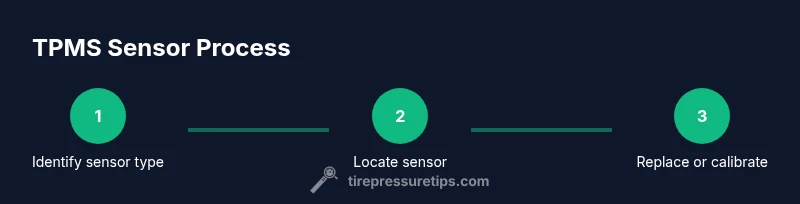
Goal: locate and verify tire pressure sensors near me. Start by calling local tire shops, dealership service centers, and independent auto repair shops. Use manufacturer TPMS locator tools or search online for tire pressure sensors near me. Confirm sensor type (direct TPMS vs indirect) and your vehicle’s year/model before booking service. Also ask about calibration, battery life, and warranty.
Locating tire pressure sensors near me
According to Tire Pressure Tips, finding tire pressure sensors near me begins with a clear understanding of the two main TPMS approaches: direct TPMS that uses wheel-mounted pressure sensors, and indirect TPMS that infers pressure from wheel speed data. Start by compiling your vehicle details—make, model, year—and noting whether you have a direct sensor or an indirect system. Then search locally for tire shops, dealership service departments, and independent repair facilities with TPMS experience. Use manufacturer locator tools and trusted automotive directories to filter results by proximity, hours, and customer reviews. When calling, ask whether they stock the sensor style your vehicle requires and whether calibration or programming is included in the service. If a tire or wheel repair is already planned, ask the shop to bundle TPMS service to minimize multiple visits. Finally, confirm the price range for sensor replacement or reprogramming and inquire about warranties on the sensor itself and on the calibration.
Direct vs indirect TPMS: what to know
Direct TPMS uses wheel-embedded sensors that transmit real-time pressure data to a central receiver. Indirect TPMS relies on the vehicle’s ABS or wheel speed sensors to estimate pressure changes, typically without a physical sensor in the tire. Knowing which system your vehicle uses helps you choose the right parts and service path. Direct sensors provide precise pressure readings and can alert you to slow leaks, while indirect systems may be more economical but can be less accurate if wheel speed data are affected by tire size changes or rotation errors. Transitioning between systems often requires software reprogramming, valve replacements, and occasionally sensor replacement. For most drivers, direct TPMS offers clearer diagnostics and quicker fault isolation, but the decision depends on vehicle design and maintenance preferences. Tire Pressure Tips notes that compatibility checks with the service provider reduce misfits and wasted trips.
Sensor types and compatibility
TPMS sensors come in a few styles, including OEM direct replacement sensors, universal aftermarket sensors, and valve-stem assemblies. Direct TPMS sensors are typically mounted inside the tire and are battery-powered, needing periodic replacement when the battery nears end of life. Aftermarket sensors can be a cost-effective alternative but may require careful reset and calibration to match your vehicle’s system. Compatibility hinges on the tire size, wheel diameter, vehicle make, model, and year. Some vehicles require Nissan- or Toyota-specific sensor IDs or special programming. Before purchase, obtain the sensor ID or part number from the service advisor, and verify that the sensor is compatible with your car’s TPMS module and wheel style. The Tire Pressure Tips team recommends confirming compatibility via the shop’s diagnostic tool before any sensor replacement.
Where sensors are located on common vehicles
Most direct TPMS sensors live inside each tire, attached to the valve stem or mounted on the wheel’s inner rim. Some vehicles place sensors in the wheel behind the brake rotor, while others position them near the stem cap. In rare cases, aftermarket wheels may not have sensors fitted, requiring a wheel swap or retrofitting. Indirect TPMS does not rely on wheel-mounted sensors but uses the ABS wheel speed data to infer pressure changes. Knowing your vehicle’s layout helps you plan service and avoid unneeded disassembly. When you bring your car in, ask the technician to confirm sensor location and to show you the specific wheel with the failing sensor if visual inspection is needed.
How to verify sensor health and calibration
Begin with a TPMS scan using a diagnostic tool to read sensor IDs, battery health, and transmission status. If a sensor is weak or reading irregular pressures, replacement or reprogramming may be required. Calibration ensures the sensor IDs match the vehicle’s TPMS module; without calibration, alerts may be delayed or inaccurate. After any work, drive the vehicle for a short period to allow the system to relearn the new sensor data and confirm the light status. If a warning light persists, a full system reset may be necessary. Tire Pressure Tips emphasizes verifying both the mechanical integrity of sensors and the software mapping to the vehicle’s ECU.
Choosing a service provider and budgeting
When selecting a shop, compare parts quality, sensor warranty, and service inclusions such as calibration, relearn procedures, and check-light clearing. Ask for a written estimate that itemizes sensor cost, labor, and any additional parts like valve stems or batteries. Budget effectively by understanding potential extra costs for wheel balancing, tire rotation, or re-learn procedures that some vehicles require after sensor replacement. Look for a provider that offers a clear post-service check and a follow-up if a TPMS warning reappears. The Tire Pressure Tips team also suggests checking for any seasonal promotions or bundled maintenance packages to maximize value.
Replacement options: OEM vs aftermarket sensors
OEM TPMS sensors guarantee compatibility with your vehicle’s software and hardware, but they often come at a premium. Aftermarket sensors can provide substantial cost savings, but you should verify that the part numbers align with your wheel and TPMS module. In some cases, you may need to swap to an aftermarket stem or a sensor with the proper ID lip and valve material to avoid leaks. Always request a tech to program or relearn the sensor data to the vehicle’s ECU after installation. A well-informed choice balances reliability, warranty coverage, and total cost of ownership.
Maintaining TPMS and battery life
Maintenance is about preventing false alarms and ensuring long sensor life. Keep tires inflated to the recommended PSI and check pressures at regular intervals—ideally monthly and before long trips. Avoid over-tightening valve stems during installation, which can damage the sensor. If you notice frequent TPMS warnings, schedule a professional inspection to prevent persistent low-pressure operation that can accelerate wear. Battery life for direct TPMS sensors typically outlasts tire tread life, but battery degradation may occur with older models. Routine checks help catch issues early and reduce the chance of roadside tire failures.
Common pitfalls and safety tips
Don’t rely on the TPMS light alone; periodically verify tire pressure with a gauge. If a sensor is suspected of failing, replace it rather than attempting to repair a damaged unit. Avoid driving on underinflated tires as it compromises handling and increases the risk of blowouts. Ensure all sensors and wheels are clean of dirt, rust, or corrosion that can hinder electrical connections. Use proper torque specifications when securing valve stems to avoid leaks.
Getting back on the road: after-service steps
After TPMS service, recheck all tire pressures with a gauge and confirm the TPMS light resets within a few driving cycles. If your vehicle supports a relearn procedure, follow the owner’s manual or the shop’s instructions to complete it. Drive at moderate speeds for around 10–15 minutes to allow the system to relearn, then recheck the status on the dashboard. Keep a log of sensor IDs, installation date, and any warranty information for future reference.
Tools & Materials
- Digital tire pressure gauge(Calibrated to ±1 psi; prefer a gauge with a large, easy-to-read display)
- TPMS diagnostic tool(Reads sensor IDs, battery status, and relearn requirements)
- Replacement TPMS sensors or valve stems(OEM or reputable aftermarket options; verify compatibility with wheel and ECU)
- Torque wrench(Used to secure valve stems to proper torque to avoid leaks)
- Tire bead seating lubricant(Optional for difficult bead seating during sensor replacement)
Steps
Estimated time: 60-120 minutes
- 1
Prepare and confirm vehicle details
Collect vehicle make, model, year, and current tire setup. Gather all sensor part numbers if you have them and confirm whether your system is direct or indirect. This helps you choose the right parts and plan a smooth service.
Tip: Have a copy of the vehicle VIN handy in case the technician needs it for programming. - 2
Identify sensor type and location
Determine if your vehicle uses direct TPMS sensors in each wheel or relies on indirect signals. Visually inspect wheels if possible and note any damaged stems or corroded valve cores.
Tip: Direct sensors require wheel removal; indirect systems may not need sensor replacement. - 3
Read sensor IDs with diagnostic tool
Connect the TPMS diagnostic tool to read each sensor ID, battery status, and pressure data. This step confirms which sensors are failing or need replacement before any hardware changes.
Tip: Record the IDs in a safe place for warranty or future service reference. - 4
Decide on replacement vs calibration
If a sensor ID is unreadable or a sensor fails, plan for replacement. If IDs are valid but readings are off, recalibration or relearn may be enough.
Tip: Ask the shop to show the sensor data on the screen before and after service. - 5
Install or replace sensors
Install the chosen sensors or valve stems, ensuring proper sealing and torque. For direct TPMS, ensure the sensor is seated correctly and wireless programming is completed.
Tip: Use a torque wrench to avoid over-tightening the valve stem which can cause leaks. - 6
Relearn and verify
Run the vehicle relearn procedure if required and verify that all tires report correct pressure. Check for dashboard warnings and confirm calibration is complete.
Tip: Drive 10–15 minutes at moderate speed to complete relearn on many models. - 7
Document and monitor
Record sensor IDs, part numbers, and service date. Monitor tire pressures weekly for the next month to ensure system stability.
Tip: Keep the service receipt and sensor data in a dedicated maintenance folder.
Frequently Asked Questions
What is TPMS and how does it work?
TPMS stands for tire pressure monitoring system. It uses wheel sensors to monitor air pressure and alerts you if a tire is underinflated, improving safety and fuel efficiency.
TPMS uses sensors to monitor tire pressure and alerts you if a tire is underinflated. This helps you stay safe on the road.
How can I tell if my TPMS sensor is failing?
Look for frequent warnings about low pressure, abnormal readings, or a steady tire pressure warning light despite correct inflation. A diagnostic scan can confirm sensor health.
If the TPMS warning light stays on or readings are inconsistent, have a diagnostic scan done to check the sensors.
Are OEM TPMS sensors worth the cost?
OEM sensors offer guaranteed compatibility with your vehicle, but aftermarket options can be cost-effective. Verify warranty and relearn requirements before choosing.
OEM sensors fit your car perfectly and come with support, but aftermarket options can save money if you verify compatibility.
Can I replace TPMS sensors myself?
Some vehicles allow DIY sensor replacement, but many require specialized tools and programming. If in doubt, have a technician perform the service to ensure correct relearn.
Replacing TPMS sensors can be done yourself on some cars, but many models need professional tool access and relearn procedures.
How often should TPMS sensors be checked?
Check TPMS performance during regular maintenance and especially before long trips. Monthly tire pressure checks complement TPMS reliability.
Check your tire pressure monthly and before long trips to support TPMS reliability.
What if the TPMS light remains after inflation?
If the light stays on after inflation, there may be a sensor fault or relearn issue. Have the system scanned and reprogrammed if needed.
If the TPMS light stays on after inflating, get a diagnostic scan to identify sensor or relearn issues.
Watch Video
What to Remember
- Identify whether your vehicle uses direct or indirect TPMS.
- Verify sensor compatibility before replacement to avoid rework.
- Calibrate and relearn after sensor installation to reset the system.
- Keep a service log with sensor IDs and warranty details.