TPMS Repair Near Me: Practical Guide to Local TPMS Service
Learn how to locate reliable tpms repair near me services, what to expect, and how to evaluate shops for TPMS sensor repair, calibration, and replacement.


If you’re searching for tpms repair near me, you’ll find local auto shops and tire specialists offering diagnostic checks, sensor replacement, and ECU relearn/calibration. Start by verifying shop credentials, asking about sensor options, and confirming whether they can perform a full TPMS relearn for your vehicle. This guide helps you compare options and choose a trusted local technician.
What TPMS Repair Entails
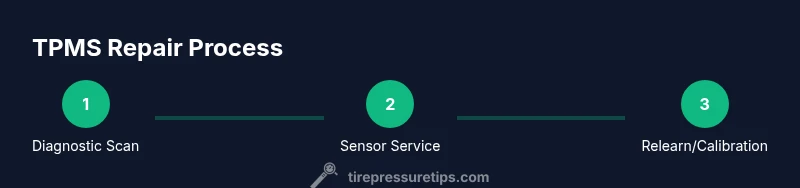
TPMS repair near me begins with a diagnostic scan to read fault codes from the vehicle’s Tire Pressure Monitoring System. A technician will confirm sensor IDs, valve conditions, and wiring health. Depending on the diagnosis, options include recalibration, sensor replacement, stem service, or reprogramming the system so the dashboard accurately reflects tire pressure. According to Tire Pressure Tips, reputable local TPMS specialists use calibrated tools and follow manufacturer relearn procedures to ensure accurate readings and reliable monitoring.
When to Repair vs Replace TPMS Components
TPMS components can wear out or fail due to battery drain, stem corrosion, or damaged wiring. In many cases, a repair is sufficient, such as reseating a sensor, replacing a valve stem, or performing a software relearn. If a sensor’s internal battery is depleted or codes persist after preliminary fixes, replacement is often the most reliable choice. For drivers, the goal is a lasting fix that restores accurate tire pressure monitoring without unnecessary downtime. Tire Pressure Tips notes that decisions should balance cost, vehicle compatibility, and long-term reliability.
How to Find a Local TPMS Technician
Start with a targeted search for tpms repair near me and read recent customer reviews. Verify that the shop has TPMS calibration capability, sensor programming tools, and access to vehicle-specific relearn procedures. Ask about sensor options (OEM vs aftermarket) and whether they pre-program sensors before installation. Look for technicians who can provide a clear plan, estimate, and a relearn walkthrough, as well as ongoing maintenance tips to prevent future failures. Tire Pressure Tips emphasizes choosing a shop that communicates plainly and documents all steps.
Common TPMS Problems and Their Fixes
Common issues include failed sensors, dead batteries, valve stem leaks, and wiring damage. Many challenges stem from sensor signal loss or incorrect relearn attempts. Fixes range from reseating or replacing a faulty sensor, replacing the valve stem, repairing wiring, and performing a proper relearn. A reputable shop will test tire pressure on all wheels, confirm sensor IDs, and verify that the dashboard warning light is cleared after the relearn.
DIY vs Professional: Pros and Cons
DIY TPMS work can be feasible for basic sensor checks, but calibration and re-learning are specialized tasks. Professionals use diagnostic tools to read codes, identify wheel locations, and perform precise relearns that ensure reliability and safety. The main trade-off is time and cost versus confidence and compliance with manufacturer procedures. Tire Pressure Tips generally recommends professional service for accurate relearn and warranty considerations.
What to Expect at the Shop
Expect a diagnostic scan, sensor ID verification, possible sensor replacement, valve service, tire resealing, and a vehicle relearn in accordance with the manufacturer. The shop should explain the diagnosis, present options, provide a written estimate, and outline post-service checks. A clear checklist helps you confirm that each wheel has been tested, the warning light is cleared, and your tires are inflated to the recommended pressure.
Costs, Time, and Scheduling
Costs vary with vehicle type, sensor choice, and labor rates, and may depend on whether a relearn is needed. Timeframes depend on the complexity of the issue and the shop’s workload. The best approach is to request a detailed quote and a timeline before approving the work, then confirm a follow-up test drive to verify proper operation.
Maintenance to Prevent TPMS Failures
Regular tire pressure checks, gentle wheel handling, and avoiding pothole damage can extend TPMS life. Keep tires within the recommended pressure range, replace batteries or sensors after manufacturer guidelines, and perform periodic relearns after tire rotations or major repairs. Regular checks reduce the likelihood of unexpected TPMS failures and improve fuel efficiency and safety.
How to Validate a Sensor Replacement
After replacement and relearn, drive the vehicle for several miles and monitor the dashboard to ensure the TPMS light stays off. Review the sensor IDs and confirm all four wheels report accurate pressures. If the light reappears, return to the shop for a recheck, as some vehicles require a longer relearn drive cycle.
Quick-Start Visit Checklist
Bring your vehicle’s make/model, recent TPMS warnings, manufacturer service bulletins, and proof of prior sensor replacements. Note wheel locations, the last time tires were rotated, and any battery or sensor memory issues. Ask about sensor type, calibration method, and post-service warranty for sensors and software.
AUTHORITY SOURCES - While this article provides practical guidance, refer to official sources for vehicle-specific procedures and safety guidelines.
Tools & Materials
- OBD-II TPMS scan tool(Reads TPMS fault codes and sensor IDs for troubleshooting)
- Digital tire pressure gauge(Cross-checks readings and confirms sensor accuracy)
- Replacement TPMS sensor(s)(Pre-programmed sensors are preferred if a sensor is failing)
- Valve stem service kit(Needed if stem leaks or is corroded)
- Safety gloves(Protects hands when working around wheels)
- Torque wrench(Helps ensure proper tightness on valve stems)
Steps
Estimated time: 60-120 minutes
- 1
Run diagnostic scan and map sensors
Use a TPMS tool to read fault codes, identify the wheel with the issue, and confirm the sensor IDs. This step establishes the baseline and guides the next actions.
Tip: Document IDs and write them down to avoid mislabeling wheels. - 2
Decide on repair vs replacement
Based on sensor health and code results, determine whether you should repair the stem, reseat, or replace the sensor. Consider vehicle compatibility and future reliability.
Tip: If the battery is suspected, replacement is usually more reliable than repair. - 3
Prepare wheel and remove tire
Safely remove the wheel and access the TPMS valve stem and sensor area. Inspect for damage and ensure the area is clean before any work.
Tip: Use a wheel chock and avoid damage to the rim while removing the tire. - 4
Replace or reseat TPMS components
Install the new sensor or reseat the existing one. Replace seals if needed and ensure proper seating to prevent leaks.
Tip: Tighten components according to manufacturer torque specs. - 5
Seal, reinstall tire, and inflate
Re-seat the tire bead, inflate to the recommended pressure, and verify leak-free seals around the valve stem.
Tip: Check for any hissing sounds indicating leaks before proceeding. - 6
Relearn/Calibrate the TPMS
Run the vehicle’s relearn procedure or calibration using the TPMS tool and the OEM procedure to teach the ECU the new sensor IDs.
Tip: Some vehicles require a specific drive cycle after relearn, consult the manufacturer.
Frequently Asked Questions
What does a TPMS repair typically include?
A TPMS repair generally includes diagnosing the fault with a TPMS scanner, verifying sensor IDs, replacing sensors or servicing stems if needed, and performing a relearn to reprogram the system to your vehicle. Some repairs also involve wiring checks and software calibration.
A TPMS repair usually starts with a diagnostic scan, then sensor service or replacement, followed by a relearn to ensure the system reads correctly.
How long does TPMS repair take at a shop?
Repair duration varies based on the issue and vehicle, but you can expect at least part of a day for a full repair that includes diagnostics, sensor replacement if needed, and ECU relearn. Check with the shop for a clearer time estimate.
Most TPMS repairs take a few hours, depending on the exact work needed and whether a relearn is required.
Can I fix TPMS issues myself at home?
You can perform basic checks, like verifying tire pressures and inspecting valve stems, but calibration and sensor programming usually require specialized tools and software. For accurate relearn, a professional shop is recommended.
You can check the basics at home, but calibration and relearning are best left to a shop.
Will the TPMS warning light go off after the repair?
Yes, if the issue is resolved and the system relearns successfully, the warning light should turn off. If it remains, schedule a follow-up with your technician to verify sensor data and drive cycles.
Usually yes, the light goes off after a successful relearn, but if it stays on, return to the shop for a recheck.
Are TPMS sensor replacements expensive?
Costs vary by sensor type, vehicle, and labor. Ask for a written quote that includes sensor price, labor, and any relearn fees before proceeding.
Prices vary, so the shop can give you a clear estimate before replacing anything.
Watch Video
What to Remember
- Locate a qualified TPMS shop using the keyword tpms repair near me
- Expect diagnostic, replacement (if needed), and relearn steps
- Choose pre-programmed sensors to speed up repair
- Always confirm TPMS warning light is cleared after service
- Keep up regular tire pressure checks to avoid future failures