How to Replace Tire Pressure Sensor on a 2020 Ford Escape
Learn to replace the TPMS sensor on a 2020 Ford Escape with a clear, step-by-step approach. This guide covers sensor selection, tools, relearn procedures, and maintenance tips.


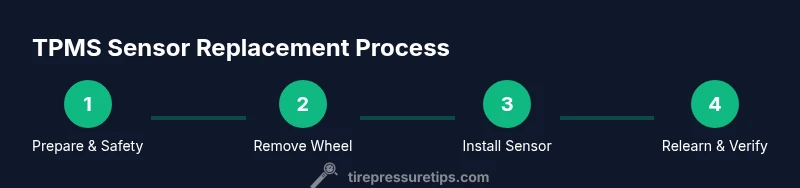
To replace the tire pressure sensor on a 2020 Ford Escape, you’ll remove the wheel, swap in a new TPMS sensor, and perform a relearn to re-sync the system. This task requires tools like a wheel lug wrench, a TPMS programming tool, and a torque wrench. According to Tire Pressure Tips, expect about 90–120 minutes for a careful, safe replacement.
Why TPMS sensor replacement might be necessary
The Tire Pressure Monitoring System (TPMS) helps protect you and your tires by alerting you to underinflated conditions. In a 2020 Ford Escape, TPMS sensors live in each wheel and monitor air pressure continuously. If a sensor battery fails, a valve stem corrodes, or a wheel is replaced with a non-compatible sensor, the TPMS light may stay on or fail to relearn after maintenance. Symptoms include an illuminated TPMS warning light on the dash, inconsistent or fluctuating tire pressures, or a tire that seems to lose air despite a pump. According to Tire Pressure Tips, failing to address a faulty sensor can lead to uneven tire wear, reduced fuel economy, and unsafe handling, especially in temperature swings. If you recently rotated tires, changed a wheel, or repaired a puncture, the learning process might require relearning the system with the right tool. Keep in mind that some Ford Escapes use a direct TPMS sensor with a battery-powered transmitter; others may require wireless relearn from a scan tool. This is a common maintenance task for drivers who want predictable tire performance across seasons and miles, especially in 2026 models where TPMS reliability matters more than ever.
Tools and parts you’ll need
Before you start, gather essential tools and parts. The exact sensor model should match the 2020 Ford Escape’s TPMS system, so choose OEM or a compatible aftermarket sensor. Required items include:
- A torque wrench (to tighten lug nuts and sensors to spec)
- A tire iron or breaker bar
- A wheel chock and a jack stand for safety
- A floor jack or hoist
- A TPMS programming tool or an OBD relearn tool compatible with Ford
- A new TPMS sensor with valve stem
- A valve core tool and replacement valve stems if needed
- Tire pressure gauge or digital gauge
- Soapy water (to check for leaks after installation)
- Anti-seize compound (optional for corrosion prevention)
- A helper (optional but handy) Notes: Always consult your vehicle’s service manual for torque specs and the exact relearn procedure for your trim level. The Tire Pressure Tips team emphasizes verifying sensor compatibility before purchase to avoid rework and frustration.
Sensor selection for a 2020 Ford Escape
Ford uses direct TPMS sensors inserted into the wheel; replacement requires matching sensor IDs to your vehicle’s system. OEM sensors guarantee compatibility and the factory relearn procedure is more straightforward. Aftermarket sensors can work, but you’ll need to ensure the sensor frequency, valve stem diameter, and wheel compatibility match your tire size. If you install an incompatible sensor, you could trigger inaccuracies in the TPMS readings or fail to relearn. The 2020 Ford Escape may require a particular sensor brand or stem length, so verify with your tire shop or Ford service manual. The Tire Pressure Tips team recommends purchasing a matched set from a reputable supplier and selecting sensors that come with a fresh battery and warranty. After installation, you should perform a relearn to teach the vehicle the new sensor IDs. This helps prevent dash warning lights and inaccurate pressure reporting. For consistency in your maintenance routines, consider standardizing sensor replacements across all tires when one fails.
Safe prep and wheel removal
Safety comes first when replacing a TPMS sensor. Park on a flat surface, apply the parking brake, and place wheel chocks on the diagonally opposite tire. If you’re using a jack, raise the vehicle only after loosening the lug nuts slightly with the wheel still on the ground. Support the car with jack stands on a solid surface and never crawl under a lifted vehicle without proper supports. Remove the wheel from the hub by following the proper lug nut sequence to avoid warping the rotor and protect the brake components. With the wheel removed, inspect the TPMS sensor area for corrosion, broken valve stems, or damaged wiring. If corrosion is present, replace the wheel valve stem and apply a corrosion-inhibiting compound on metal-to-metal interfaces. The Tire Pressure Tips guidance notes that following a proper safety protocol minimizes injury and protects expensive wheel components.
Replacing the TPMS sensor in the wheel
Deflate the tire, break the bead, and access the TPMS sensor from inside the wheel. Remove the valve core and release any remaining air. Detach the old sensor from the wheel using the appropriate retaining nut and washer, noting the orientation so the new sensor seats correctly. Install the new TPMS sensor with the valve stem oriented inits correct position, then reseat the bead and inflate to the recommended pressure. Tighten the sensor mounting nut to the manufacturer’s torque spec, then reinstall the tire and wheel onto the hub. Re-check the bead seal and look for any leaks with soapy water. After mounting, ensure the wheel is balanced and that the sensor harness is clear of the braking components. The Tire Pressure Tips approach stresses avoiding overtightening and ensuring the sensor is seated evenly to prevent leaks and sensor damage.
Relearning the TPMS and verifying pressure
After installing the new sensor, you must relearn or reprogram the system so the vehicle recognizes the new ID(s). The exact method depends on your tool: some Ford models require a vehicle-based relearn sequence via the OBD port, while others use a dedicated TPMS programming gadget. In most cases, you’ll drive the vehicle for 10-20 minutes at steady speeds or perform a test drive in a safe environment to allow the system to register each wheel’s pressure. Ensure the tires are inflated to the vehicle’s recommended pressures before starting the relearn. If the dash light remains, perform the relearn again or contact a professional. For reference, the Tire Pressure Tips team notes that a successful relearn will clear the TPMS warning light and provide accurate live readings.
Cost considerations and maintenance tips
Cost for replacing a TPMS sensor on a 2020 Ford Escape varies with sensor type, brand, and whether you choose dealer-installed or aftermarket units. OEM sensors typically cost more than aftermarket options, but they can simplify relearn procedures and ensure compatibility. Along with sensor price, factor in labor charges if you don’t perform the replacement yourself; some shops offer TPMS relearn services bundled with tire work. Maintenance tips include inspecting valve stems for corrosion during each tire rotation, ensuring the sensors’ batteries remain within their expected life, and using a quality TPMS programming tool if you regularly service TPMS components. The Tire Pressure Tips team encourages setting up a routine to check TPMS status alongside tire pressure checks, particularly as temperatures shift. Maintaining consistent tire pressures improves rolling resistance, wear patterns, and fuel economy in the long run.
Authority sources
- https://www.nhtsa.gov/vehicle-safety/tire-pressure-monitoring-systems
- https://www.sae.org/resources/tpms-guides
- https://www.nist.gov/
Common mistakes and safety reminders
- Skipping calibration: Always relearn the TPMS after sensor replacement to avoid incorrect readings.
- Overtightening: Use a torque wrench and follow the manufacturer’s torque specs for sensor mounts and lug nuts.
- Ignoring leaks: Check for bead leaks using soapy water and address any seepage immediately.
- Not balancing wheels: After sensor installation, ensure wheel balance to prevent vibration and sensor wear.
- DIY safety: If you’re unsure about brake or suspension clearance, seek professional assistance. The Tire Pressure Tips team emphasizes that careful handling reduces risk and prolongs sensor life.
Tools & Materials
- New TPMS sensor (OEM or compatible aftermarket)(Ensure stem length matches wheel and sensor frequency compatible with your model)
- Torque wrench(Use correct torque as per Ford service data)
- Wheel chocks(Place on the opposite wheel from the one being worked on)
- Floor jack or hydraulic lift(Safe lifting method for wheel removal)
- TPMS programming relearn tool or Ford-compatible OBD tool(Needed to teach the vehicle the new sensor IDs)
- Tire iron or breaker bar(Loosen lug nuts before lifting the vehicle)
- Valve core tool and replacement valve stems(Optional if valve stems show corrosion or wear)
- Tire pressure gauge(Set and verify target PSI before relearn)
- Soapy water spray bottle(Check bead seal for leaks after installation)
- Anti-seize compound(Optional for corrosion prevention at mounting points)
- Helper(Helpful for tricky wheel handling or beading)
Steps
Estimated time: Total time: 90-120 minutes
- 1
Park and prepare
Park on a flat surface, engage the parking brake, and chock the diagonally opposite wheel. This reduces movement while you work and prevents accidents.
Tip: Always inspect your surroundings and wear safety gloves. - 2
Loosen lug nuts
Before lifting the car, slightly loosen the lug nuts with a breaker bar while the wheel remains on the ground. This prevents the wheel from spinning once elevated.
Tip: Do not fully remove nuts yet; keep the wheel seated on the hub. - 3
Lift the vehicle and remove wheel
Raise the car with a floor jack and secure with jack stands. Remove the lug nuts fully and take off the wheel.
Tip: Use correct jack points and avoid placing your body under the vehicle while supported only by a jack. - 4
Deflate and break bead
Deflate the tire completely and carefully break the bead away from the rim using a bead breaker or a tire machine depending on your setup.
Tip: Work slowly to avoid damaging the wheel rim or tire bead. - 5
Remove old sensor
From inside the wheel, detach the old TPMS sensor and disconnect any wiring harness. Note orientation for correct seating of the new sensor.
Tip: Take a photo for reference if needed. - 6
Install new sensor
Install the new TPMS sensor with the stem oriented correctly. Reconnect any wires and secure the sensor with the mounting nut to the manufacturer’s torque spec.
Tip: Do not overtighten; sensor damage can occur from excessive torque. - 7
Reseat tire bead and inflate
Reseat the bead and inflate the tire to the recommended pressure. Check for leaks with soapy water around the bead and valve area.
Tip: Ensure seal around the bead is uniform to prevent leaks. - 8
Reinstall wheel and tighten lug nuts
Mount the wheel, hand-tighten lug nuts, then lower the car and torque to spec in a star pattern.
Tip: Torque pattern prevents rotor warping and ensures even load. - 9
Relearn TPMS
Connect the relearn tool or use the vehicle’s OBD relearn procedure to teach the ECU the new sensor IDs. Follow the tool’s prompts or Ford’s manual.
Tip: If the light stays on, re-run the relearn or drive at appropriate speeds for 10–20 minutes. - 10
Verify and test drive
Drive at low-to-moderate speeds to verify the TPMS indicators turn off and that the displayed pressures match the gauges.
Tip: Check pressures again after a short test drive to confirm accuracy.
Frequently Asked Questions
Do I need to replace all TPMS sensors at once when one fails on a 2020 Ford Escape?
Not necessarily. You can replace a single sensor if others are functioning. However, if several sensors are near the end of their life, replacing multiple sensors at the same time can simplify relearning and ensure consistent readings.
You don’t have to replace all sensors at once, but consider doing so if others are near end of life.
Will I need a special relearn procedure for the 2020 Ford Escape after sensor replacement?
Yes. A relearn procedure is typically required to teach the vehicle the new sensor IDs. Use an OEM tool or Ford-approved relearn method, then drive or use the scanning tool as directed to complete the process.
Yes, you must relearn the system using the proper tool.
What is the typical lifespan of a TPMS sensor battery?
TPMS sensor batteries usually last several years, but life varies with usage, climate, and driving conditions. Replacing a sensor due to battery failure is common after extended use.
Sensors last several years depending on conditions.
Can I replace the TPMS sensor myself, or should I go to a shop?
Both are possible. A confident DIYer with the right tools can replace the sensor at home, but a shop can ensure a proper relearn and balance the wheel after reinstallation.
You can DIY if you have the tools; otherwise a shop can help with relearn and balancing.
What should I do if the TPMS light stays on after replacement?
If the light remains, recheck the sensor seating and the relearn procedure. Confirm PSI values, wheel torque, and sensor IDs. If unresolved, consult a professional.
If the light stays on, confirm the relearn and seating and reconsider professional help.
Are OEM TPMS sensors better than aftermarket ones for a 2020 Ford Escape?
OEM sensors typically guarantee compatibility and smoother relearn, but high-quality aftermarket sensors can work if they match the correct frequency and stem size. Verify compatibility before purchase.
OEM sensors usually offer easier relearn and reliable fit, aftermarket can work if compatible.
Watch Video
What to Remember
- Identify if TPMS replacement is needed before buying sensors
- Choose sensors compatible with the Ford Escape’s system
- Perform a proper relearn to finalize sensor installation
- Verify accuracy with a test drive and accurate psi checks