How to Repair Tire Pressure Monitoring System (TPMS)
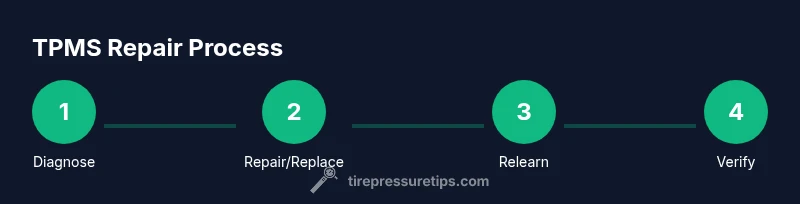
Learn step-by-step how to diagnose, repair, and relearn TPMS to restore accurate tire pressures and safe driving in 2026.


Repairing a tire pressure monitoring system (TPMS) is essential for maintaining accurate tire pressures and safe driving. This guide covers diagnosing faults, sensor inspection, relearning procedures, and safe part replacement. According to Tire Pressure Tips, common TPMS faults stem from sensor batteries, damaged valve stems, or faulty electronics; prepare with basic tools and follow the steps to restore reliable readings.
Understanding TPMS Repair Fundamentals
Repairing the tire pressure monitoring system (TPMS) is a hands-on process that blends electronic diagnostics with tire service. TPMS monitors tire pressure via wheel-mounted sensors and transmits data to the vehicle’s ECU, triggering a warning when PSI drops below the configured threshold. Failures can stem from a dying sensor battery, a damaged valve stem, corrosion in wheel electronics, or a faulty receiver in the vehicle. In 2026, technicians emphasize non-invasive checks first to avoid unnecessary wheel disassembly or sensor damage. The primary objective of any TPMS repair is to restore accurate readings and reliable alerts without introducing new faults. This means verifying sensor continuity, ensuring proper sensor seating, and confirming that the system recognizes all wheels after service. Before you begin, review the vehicle-specific TPMS procedure in the factory manual and make a clear plan that covers safety, tool use, and a logical sequence for diagnosis. The more organized you are, the higher the chance of a successful repair of the tire pressure monitoring system. According to Tire Pressure Tips, this approach helps drivers maintain correct PSI across seasons and models.
Common TPMS Fault Scenarios and Causes
A repair tire pressure monitoring system starts with identifying which part of the chain failed. The most frequent issues are a weak or dead sensor battery, a compromised sensor housing, or a damaged valve stem that makes poor contact with the rim. Other common culprits include corroded wheel valve cores, faulty TPMS control modules, or a damaged wiring harness that connects sensors to the vehicle computer. Misleading readings can also result from rapid temperature changes or seasonal tire changes when tires aren’t properly inflated. When diagnosing, differentiate between a genuine TPMS fault and a simple tire pressure misreading, which can happen if you forget to adjust air pressure after a tire rotation. Remember that the goal of repair tire pressure monitoring system work is to isolate the fault and restore accurate PSI readings on all four corners. This kind of diagnostic work benefits from following the Tire Pressure Tips troubleshooting framework for consistency and safety.
Diagnostic Tools for TPMS Repair
To diagnose TPMS faults effectively, you’ll rely on a mix of hands-on checks and electronic tools. An OBD-II scanner with TPMS capabilities can pull fault codes related to sensors or the receiver. A dedicated TPMS relearn tool helps initiate the sensor pairing process after wheel work. A professional tire pressure gauge, ideally digital and well-calibrated, verifies actual PSI against the sensor reading. For stubborn issues, a sensor health tester or a chassis voltmeter can confirm power to the sensor and wiring integrity. Always document codes and pressures before starting; this creates a baseline to measure improvement after the repair tire pressure monitoring system. For vehicles that use indirect TPMS (indirect sensing via wheel speed sensors), a scan tool with the correct software is essential to interpret flags properly. With the right diagnostic kit, you can quickly separate sensor faults from wiring or ECU problems, reducing unnecessary part replacements.
Safety Considerations: When to Repair vs Replace TPMS
Safety comes first when you work on TPMS. Park on a flat surface, engage the parking brake, and chock wheels to prevent movement while you inspect or service tires. Do not pressurize a tire that is visibly damaged or leaking; use a controlled approach and follow the tire industry safety guidelines. If a TPMS sensor is cracked, bent, or leaking air through the valve stem, replacement is usually the safer path. Sensor batteries have finite life; attempting to repair a worn battery yourself is not recommended and can compromise calibration. When in doubt, compare the cost of repairing the TPMS with sensor replacement, as some modern sensors are sealed units that require professional handling. If your vehicle requires a relearn procedure after sensor work, ensure you have access to the correct service information and recheck all four readouts after completion.
Step-by-Step: Inspecting TPMS Sensors and Wiring
- Visual inspection: Remove the wheel cover or tire to inspect the TPMS sensor and valve stem for cracks, corrosion, or mechanical damage. 2) Check battery status: If you have a tool capable of testing the sensor battery, read the voltage and confirm it’s within spec. 3) Inspect wiring: Trace the harness from the sensor to the control module for pin damage, loose connectors, or insulation wear. 4) Check sensor seating: Ensure the sensor is properly seated in the wheel and that the wheel balance is not affected. 5) Validate tire pressure: Use an accurate gauge to confirm the actual air pressure matches the vehicle’s expected value. 6) Document findings: Record code data, pressures, and any observed wear for future reference. This inspection is the first step in diagnosing a repair tire pressure monitoring system and helps prevent unnecessary sensor replacements. 7) Reference visual guides: When in doubt, consult service manuals or reputable tutorials for sensor location diagrams and torque specs.
Replacing or Reprogramming TPMS Sensors
If a sensor is found to be faulty, you’ll typically replace it with a new TPMS sensor that matches your vehicle’s specifications. Some aftermarket sensors are universal, but compatibility with the vehicle’s ECU and relearn procedure is essential. After installation, the sensor must be programmed or calibrated to communicate correctly with the vehicle; this often requires a dedicated relearn tool or dealer-level software. When replacing, consider whether the wheel needs a new valve stem or sealing gasket to prevent leaks. Reprogramming steps vary by manufacturer, so always follow the OEM protocol to avoid calibration drift or unintended warnings. If you’re unsure, rely on professional services for sensor replacement and relearn to ensure long-term reliability.
Relearning and Calibrating TPMS After Work
Relearning is the process that teaches the vehicle to recognize the newly installed or serviced sensors. With many vehicles, the relearn must be performed in a specific sequence, sometimes requiring a particular key sequence or a scan-tool command. Allow the system time to register each sensor and confirm that all four wheels have been detected. In some cases, a drive cycle is needed after relearn to stabilize readings; monitor the TPMS warning lights during the test drive and note any fluctuations. Keep a log of sensor IDs and positions for future maintenance, as this makes future rotations or replacements faster and more accurate. The goal is a fully recognized TPMS system that provides consistent PSI data across all tires.
Verification: Road Test and System Diagnostics
With the TPMS repaired and sensors relearned, perform a controlled road test to verify the readings. Check for warning lights while driving at steady speeds and during braking, cornering, and acceleration. Validate that the tire pressures reported by the vehicle match the measured pressures at all four corners; if you notice persistent discrepancies, revisit the diagnostic steps to confirm sensor health and data transmission. Finally, re-check the system after a short drive to ensure stability and accuracy. This final verification confirms a successful repair tire pressure monitoring system and helps prevent future nuisance warnings.
Maintenance to Prevent TPMS Failures
Preventive maintenance reduces the likelihood of TPMS faults recurring. Regularly inspect wheel sensors during tire changes, keep valve stems clean, avoid harsh impacts that can damage sensors, and ensure proper torque on lug nuts to protect the sensor from wheel movement. Keep an up-to-date record of sensor replacement dates and calibrations. Periodically test the system using an OBD-II tool to catch errors early. By adopting a proactive approach, you’ll extend the life of TPMS components and maintain accurate tire pressure readings across all seasons.
Tools & Materials
- Tire pressure gauge(Calibrated; accuracy within ±1 psi is ideal)
- TPMS relearn tool(Vehicle-specific compatibility required)
- OBD-II scanner with TPMS function(for fault codes and relearn access)
- Replacement TPMS sensor(Match sensor type to vehicle; some are sealed units)
- Torque wrench(Torque to manufacturer specs when reinstalling wheels)
- Valve core tool(For valve stem service and sealing)
- Wheel chocks and jack stands(Safe lifting and wheel removal)
- Safety gloves(Hand protection; not essential but recommended)
Steps
Estimated time: 60-180 minutes
- 1
Diagnose TPMS fault
Power up the vehicle and read fault codes with an OBD-II scanner to identify whether the issue is sensor-based, wiring, or ECU-related. Note the exact sensor IDs and any live data that shows abnormal pressure readings.
Tip: Capture codes and live data before touching sensors to avoid confusing the diagnosis. - 2
Inspect tires and sensors
Visually inspect each sensor, valve stem, and wheel contact area for damage or corrosion. Check pressures with a calibrated gauge and compare to the vehicle’s target values.
Tip: Look for signs of impact damage on the wheel that could affect sensor alignment. - 3
Test sensor power and wiring
Use a multimeter or sensor tester to verify power to the sensor and check wiring continuity from sensor to the controller. Document any voltage drops or damaged connectors.
Tip: If wiring looks brittle, address insulation and re-seat connectors to prevent intermittent failures. - 4
Decide repair vs replacement
If the sensor is physically damaged or the battery is dead, replacement is usually safer and more reliable than repair. For minor issues, recalibration or cleaning connections may suffice.
Tip: Rely on OEM or compatible replacement parts to maintain system integrity. - 5
Install replacement or repair parts
Install the sensor, reseal as needed, and torque to spec. Replace valve cores if necessary and ensure no air leaks around the stem.
Tip: Ensure the sensor seat is clean and free of debris to prevent air leakage. - 6
Relearn or recalibrate sensors
Connect the relearn tool and follow the vehicle’s procedure to pair each sensor with the ECU. Confirm each sensor appears in the tool’s list and is assigned to the correct wheel.
Tip: If the tool prompts for wheel position, stay consistent with the vehicle’s rotation history. - 7
Verify readings and test drive
Drive a short test route to verify the TPMS readings align with measured pressures and that no warning lights reappear. Re-check all four readings after the drive.
Tip: Look for steady, stable signals; any fluctuation may indicate a secondary issue.
Frequently Asked Questions
What does a TPMS fault indicate?
A TPMS fault can indicate a dead sensor battery, a damaged sensor, wiring issues, or ECU communication problems. Proper diagnosis with codes and live data helps isolate the root cause.
A TPMS fault usually means there’s a sensor, wiring, or ECU communication issue that needs diagnosis.
Can TPMS sensors be reused after wheel changes?
In many cases, sensors can be reused if they test within spec and show no damage. If the battery is weak or the sensor is damaged, replacement is recommended.
You can reuse sensors if they pass a health check; otherwise, replace.
How long does the relearn process take?
Relearn duration varies by vehicle and tool availability, but most procedures take 5 to 20 minutes of tool-based activity plus a short drive.
Most relearn sequences take about 5 to 20 minutes plus a short drive.
What should I do if the TPMS light remains on after repair?
If the light remains on, recheck sensor IDs and wiring, confirm proper relearn, and perform a fresh diagnostic scan. Persistent warnings may require dealer-level software.
If the light stays on, redo the relearn and scan for codes; persistent warnings may need dealer help.
Is TPMS repair covered by warranty?
Warranty coverage varies by manufacturer and service provider. Check your vehicle warranty and the sensor manufacturer’s policy for coverage on parts and labor.
Warranty varies; check with your manufacturer or provider for coverage details.
Watch Video
What to Remember
- Diagnose before replacing parts
- Use proper tools and vehicle-specific relearn procedures
- Verify readings with a road test
- Prevent future failures with regular TPMS maintenance