Dodge Tire Pressure Monitoring System (TPMS) Guide
Learn how the Dodge tire pressure monitoring system works, diagnose common TPMS faults, and perform safe relearn and maintenance to keep your tires properly inflated and your vehicle safe.


This guide explains the dodge tire pressure monitoring system in practical terms. You’ll learn how to read warnings, verify tire pressures, and perform a safe relearn if needed. You’ll also find practical maintenance tips to keep TPMS accurate and reliable. Whether your light is on or you simply want reassurance before a road trip, this article covers direct and indirect TPMS, calibration steps, and common Dodge-specific quirks.
What is the Dodge Tire Pressure Monitoring System?
According to Tire Pressure Tips, the dodge tire pressure monitoring system (TPMS) is a safety feature designed to alert you when tire pressure deviates from the vehicle manufacturer’s specification. Dodge vehicles use either direct TPMS (with wheel-mounted sensors) or indirect TPMS (relying on wheel speed sensors and rotational data) to monitor pressure. A properly functioning TPMS improves fuel efficiency, tire wear, and overall handling. Understanding how the system works helps you interpret warnings correctly and take timely action to maintain optimal inflation across all four tires.
Direct TPMS vs indirect TPMS: How they work in Dodge
Direct TPMS measures actual tire pressures via sensors inside each tire, communicating with the vehicle’s computer. Indirect TPMS estimates pressure by analyzing rolling resistance and wheel speed differences; it does not measure pressure directly. In Dodges, the distinction matters for diagnosing faults: direct systems may show precise tire locations of a low pressure, while indirect systems rely on calibration and reference states. Both systems share a common goal: prompt warning before unsafe pressures develop, protecting tire life and road safety.
Dodge TPMS sensors, batteries, and common failure points
Direct TPMS relies on sensors at each wheel; if a sensor battery fails or a valve stem leaks, you’ll see a pressure warning even if all tires are near spec. Indirect TPMS depends on the vehicle’s ABS/wheel speed sensors; a calibration mismatch can trigger false warnings. Corrosion on valve stems, damaged sensor housings, or tire bead leaks are frequent culprits. Regular inspection during tire service helps catch issues early, reducing unexpected warnings on the road.
Reading the TPMS warning lights and messages in a Dodge
When a TPMS warning appears, note which tire or if all tires are implicated. A single tire warning suggests a local leak or sensor issue, while multiple warnings may indicate a system-wide problem or a faulty learning state. In many Dodge models, the warning will display as a symbol on the dashboard along with a text message indicating “TPMS” or “Tire Pressure Monitoring.” Always cross-check with a physical tire pressure check using a gauge to verify readings.
Temperature, load, and speed: how these affect tire pressure readings
Ambient temperature shifts can cause tires to lose pressure or gain it as temperatures rise. A cold start often reveals lower pressures that should be corrected before driving long distances. Heavy loading, aggressive cornering, or repeated braking can influence sensor readings and cause sporadic TPMS alerts. Understanding these factors helps you interpret warnings more accurately and decide when to adjust pressures or service sensors.
Quick checks you can do before suspecting a TPMS fault
Begin with a cold tire pressure check using a reliable gauge. Compare readings against the vehicle’s recommended cold pressures in the owner’s manual or on the door placard. If any tire is underinflated, inflate to spec and recheck after a few minutes. Inspect for obvious leaks at valves and inspect tire surfaces for punctures or bead leaks. If a pressure is consistently off, consider a sensor inspection or possible relearn.
Verifying TPMS sensor health: is the tire pressure sensor failing?
Sensor failure is common in older vehicles or after tire service. A failed sensor may give a weak or absent signal, causing the TPMS light to stay on. If inflating tires to spec does not extinguish the warning after a relearn, the issue could be a faulty sensor, weak battery, or damaged valve core. A professional diagnostic can confirm sensor health and battery status.
Relearn/calibration: when your Dodge requires it and how to perform
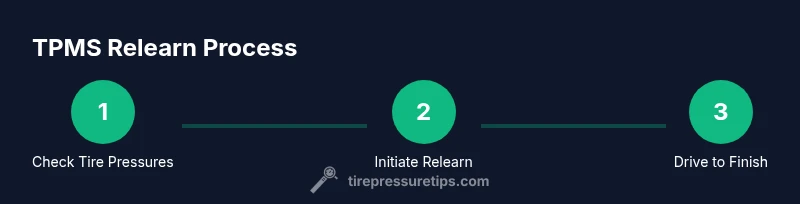
Many Dodge models require a TPMS relearn after tire service, sensor replacement, or a wheel rotation. The relearn procedure varies by model year and trim level. In many cases you’ll access a TPMS relearn option in the vehicle’s settings, then initiate the process with a specific sequence (ignition, pedal actions, or button presses). After completion, drive for a short distance to finalize the process and allow sensors to synchronize with the ECU.
Common Dodge TPMS issues and how to troubleshoot them
If the TPMS light stays on after inflating tires, try a relearn. If warnings persist, inspect valve stems for leaks, check wheel seals, and ensure the wheel is seated properly on the hub. A misread can also come from sensor battery depletion or water intrusion in the sensor. If you still have warnings, you may need professional diagnostics to validate sensor status and ECU communications.
Tire maintenance to keep TPMS reliable: routines and best practices
Regularly check tire pressures when cold and adjust to manufacturer specs. Schedule periodic TPMS diagnostics during tire rotations or seasonal changes. Keep tires clean and free of damage, ensure TPMS sensors are not damaged during tire work, and avoid aggressive tire changes that could misalign sensor readings. Document changes so you have a record of sensor service or relearn sessions.
Safety considerations: driving with low pressure and TPMS alarms
Driving with underinflated tires increases heat buildup, reduces grip, and can cause tire failure. If TPMS warns you of low pressure, pull over to inspect and inflate tires to spec as soon as safely possible. Never ignore TPMS warnings, especially on high-speed or long-distance trips. Regular checks reduce the risk of hazardous tire-related events.
When to service the TPMS: choosing DIY vs dealership
If you notice repeated warnings after inflating to spec, it’s wise to seek professional help. Direct TPMS sensor replacement or complex relearns often require specialized tools and software only available at tire shops or dealerships. Routine maintenance and minor sensor tests can be done by a trained technician or a confident DIYer with the right tools.
Tools & Materials
- Tire pressure gauge(Use a reliable gauge; digital or dial—verify accuracy against the vehicle manual.)
- Air compressor or portable inflator(Ensure it has a built-in gauge and matches the tire pressure requirements.)
- Dodge owner's manual(Confirm exact TPMS relearn or calibration steps for your model year.)
- Soap and spray bottle (optional)(Useful for locating slow leaks at valve stems or bead seats.)
- Notebook or digital log(Record readings, dates, and any relearn steps performed.)
Steps
Estimated time: 30-45 minutes
- 1
Gather tools and review model specifics
Collect the gauge, inflator, and the owner's manual. Confirm the correct TPMS relearn procedure for your exact Dodge model year and trim. Having everything ready minimizes delays and errors.
Tip: Keep the manual open to the TPMS or maintenance section during the process. - 2
Check all tires when they are cold
Use the tire pressure gauge to verify each tire’s current pressure. Record the readings and compare them to the recommended cold pressures in the door placard or manual. Do not rely on readings taken after a drive.
Tip: If you recently drove, wait for tires to cool before checking. - 3
Inflate or deflate to the recommended values
Adjust each tire to the Dodge-recommended cold pressure. Use the inflator with the gauge to reach exact values. Double-check all tires after adjustment.
Tip: Avoid overinflation; small adjustments matter for TPMS accuracy. - 4
Initiate TPMS relearn if required
If your Dodge model requires a relearn after sensor work or tire rotation, follow the exact sequence from the manual or Settings menu. Some models use a sensor relearn tool, others use a driving-based method.
Tip: A typical relearn often benefits from a short drive after completion. - 5
Drive to complete the relearn
Take a short drive as directed by the manual to let sensors calibrate and synchronize with the ECU. This step verifies the system and clears the warning if the readings are correct.
Tip: Avoid aggressive driving during relearn; smooth acceleration helps stability. - 6
Recheck pressures and TPMS status
After the relearn, recheck pressures to confirm they match the target values. Confirm the TPMS alert light behavior—does it turn off after driving, or does it reappear?
Tip: Document the final readings and any relearn steps performed. - 7
Document results and next steps
Record the final tire pressures, the date, and the steps taken. Schedule periodic checks or service if warnings persist. Maintain a log for reference during future tire work.
Tip: Keep the notes with the vehicle manual for quick reference.
Frequently Asked Questions
What is a TPMS and why is it important for Dodge drivers?
A TPMS monitors tire pressure and warns you when pressures fall outside the manufacturer’s specification. Dodge vehicles may use direct sensors or indirect estimation, but the goal is the same: prompt warnings to prevent unsafe conditions and improve tire longevity.
TPMS watches your tire pressure so you know when to check. In Dodges, it may use direct sensors or rely on wheel speed data.
Can TPMS be reset without a dealership scan tool?
Many Dodge models support a relearn procedure from the vehicle’s settings or a button sequence. Some tasks may require dealership tools for a full reset. Always follow the model-specific steps in your manual.
Some resets can be done in-car, others need professional tools. Check your manual for the exact process.
Why does the TPMS light come on after inflating tires?
If the light stays on after inflating, there may be a slow leak, sensor issue, or a relearn that didn’t finalize. Recheck pressures and perform a relearn if required, then monitor for reoccurrence.
The light may stay if a leak or sensor issue remains. Recheck and relearn if needed.
What should I do if a TPMS sensor battery dies?
A dead sensor battery usually requires professional replacement since the sensor is sealed inside the tire. This is commonly handled by tire shops or dealerships with the correct tools.
A dead sensor battery typically needs professional replacement because the sensor is sealed.
Is it safe to drive with a TPMS warning on?
If a TPMS warning is active, stop and inspect tire pressures as soon as possible. Driving on underinflated tires can be dangerous and damage tires or wheels. Inflate to spec and recheck.
If the TPMS warns, pull over and check pressures. Driving on low pressure is risky.
Watch Video
What to Remember
- Check tires when cold and verify with manual specs
- Understand direct vs indirect TPMS for accurate diagnosis
- Perform a TPMS relearn after maintenance or tire work
- Drive briefly after relearn to finalize sensor sync