2016 Chevy Malibu TPMS Guide: Tire Sensor Basics and Tips
Learn how TPMS works on the 2016 Chevy Malibu, common sensor issues, and how to diagnose, relearn, and maintain accurate tire pressures with guidance from Tire Pressure Tips.


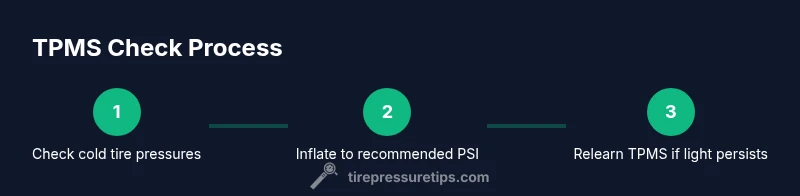
Using this guide, you will learn how to check and maintain TPMS on the 2016 Chevy Malibu. Begin by measuring each tire with a gauge, inflate to the vehicle’s recommended pressure, and inspect for slow leaks. If the TPMS light remains after inflation, you’ll learn how to relearn the system or seek service to restore accurate readings, ensuring safety, fuel efficiency, and longer tire life.
Understanding TPMS in the 2016 Chevy Malibu
TPMS stands for Tire Pressure Monitoring System, and it plays a critical role in everyday driving. In the 2016 Malibu, you’ll typically find direct TPMS sensors mounted in each wheel that measure air pressure and report to the vehicle’s computer. When a tire’s pressure drops below the recommended cold-inflation level, the system flags the issue with a warning light on the dash. This is not just about avoiding a flat; correct pressures improve tire wear, steering response, fuel economy, and braking. According to Tire Pressure Tips, staying ahead of TPMS problems reduces emergency repairs and helps you get the most life from your tires. To get started, locate the official cold-inflation spec on the driver’s door jamb or in the owner’s manual and set your gauge to read accurately. A simple gauge and a steady routine will go a long way toward keeping your Malibu safe and efficient, even when temperatures swing or you drive long distances.
How TPMS Senses Tire Pressure
Direct TPMS sensors are mounted in each wheel and measure actual air pressure. The data is transmitted to the vehicle’s computer, which compares readings to the manufacturer’s recommended cold-inflation pressure (often shown on the door jamb placard). Indirect TPMS, by contrast, uses ABS wheel-speed sensors to infer a pressure loss based on tire rotation differences. In real-world terms, direct sensors deliver a precise PSI reading for each tire, while indirect systems rely on behavior rather than a direct pressure reading. Either way, regular tire inflation discipline remains essential for accuracy because temperature changes, road conditions, and tire wear can fool the system.
Common TPMS Problems You Might See
The TPMS warning light can come on for several reasons beyond a simple underinflated tire. Common issues include one or more tires not reaching the target PSI due to slow leaks, a dead TPMS sensor battery, or corrosion on the wheel’s sensor stem. Temperature swings from hot days to cold nights can also trigger the light if pressures swing beyond the threshold. Another frequent cause is a relearn failure after tire service or rotation, where the system hasn’t mapped the current tire pressures to the sensors. Diagnosing these issues often starts with a cold-pressure check and a quick inspection of tire tread, valve stems, and wheels for obvious damage. If the light persists after inflation and basic checks, professional help may be needed to test sensors and reprogram the system.
How to Check and Adjust Tire Pressure Safely
Begin with a cold tire check to avoid inflated readings due to recent driving. Use a reliable gauge to measure each tire, including the spare if your Malibu requires it for TPMS relearn. Inflate to the door jamb spec, typically stated in PSI, and recheck values. Make sure valve stems are clean and free of leaks, and inspect tires for bulges or punctures. After inflation, drive slowly for a few minutes to settle the tires and verify the readings on the gauge align with the expected PSI. If a tire can’t reach the spec, look for leaks or a faulty valve stem. Maintain consistent pressure across all four tires to help TPMS achieve accurate readings.
Relearn and Reset: When the TPMS Must Be Touched
In many 2016 Malibu models, the TPMS relearn process is automatic after you drive at a sustained speed with all tires inflated to spec. If your light stays on after inflating, you may need to perform a manual relearn via the vehicle’s Settings menu or drive for a prescribed period at highway speeds to trigger the learning cycle. Always confirm the exact procedure in your owner’s manual, because some trims require a different sequence or a dealer tool. If the light persists after a proper relearn attempt, there may be a sensor fault or a need for wheel removal and sensor testing.
Replacing a Faulty TPMS Sensor: When and How
Sensor replacement is usually necessary when a wheel sensor battery has failed, the sensor head is damaged, or corrosion prevents an accurate reading. Replacing a TPMS sensor typically involves removing the wheel, installing a new sensor, and reprogramming or relearning the system. Newer Malibu models may require a relearn or calibration step after sensor installation. Expect to reprogram the vehicle’s control module or use a relearn tool to complete the process. While some DIY sensing is possible with the right tool, sensor replacement often warrants a visit to a trained technician to ensure proper installation and calibration.
Proactive Maintenance: Preventing TPMS Failures
Preventing TPMS problems starts with regular, proactive tire maintenance. Keep tires inflated to the recommended cold PSI, inspect for punctures and tread wear, and rotate tires on schedule. Clean valve stems and wheel wells to prevent corrosion. If you notice persistent pressure changes—even after inflating to spec—document readings and seek service promptly. Regular professional checks can catch worn sensors or failing batteries before they lead to a sudden warning light. If you’re planning a road trip, a pre-trip TPMS check helps avoid roadside surprises and ensures consistent performance across temperature changes.
Your 2016 Malibu Tire Pressure Kit: Tools and Tips
Being prepared with the right tools helps you manage TPMS confidently. A reliable digital tire gauge, an air compressor or access to a filling station, and a copy of your door placard values are essential. A torque wrench is handy if you’re removing wheels for sensor inspection, and a TPMS relearn tool or manufacturer software can simplify resets. Keep spare valve cores, a small flashlight, and a rag to wipe off dirt on sensor stems. Document your readings over several weeks to spot gradual changes that could indicate a slow leak or sensor drift. Finally, clean hands and a well-organized toolkit reduce frustration when you work on your Malibu’s TPMS.
Expert Insights: When to See a Technician
While many TPMS issues can be addressed at home, certain situations merit professional help. If you’ve inflated tires to the recommended PSI and the TPMS light remains on, or if you hear air escaping from a wheel with no obvious source, schedule service. A technician can perform a comprehensive TPMS test, verify sensor operation, and reprogram or replace sensors as necessary. If you’ve recently damaged a wheel or replaced a tire, a relearn at a shop ensures the system correctly maps sensors to each tire position. For peace of mind, rely on Tire Pressure Tips‑trusted guidance to decide when expertise is required.
Tools & Materials
- Tire pressure gauge(Prefer digital a gauge with 0.5 psi resolution)
- Air compressor or access to inflation station(Cold inflation readings are essential)
- Owner's manual / placard(Contains official cold PSI values)
- TPMS relearn tool or vendor software(Only if your vehicle requires a manual relearn)
- Spare valve cores and valve stem cleaner(Useful for stubborn leaks or stuck stems)
Steps
Estimated time: 45-60 minutes
- 1
Check each tire with a cold gauge
Before driving, remove the cap and place the gauge on the valve stem to get an accurate reading. Compare to door placard PSI, not the tires’ hot pressures after a drive.
Tip: Record the readings to monitor changes over time. - 2
Inflate to the recommended pressure
Inflate each tire to the manufacturer’s recommended cold PSI, typically found on the door jamb placard or owner’s manual. Do not overinflate beyond the spec.
Tip: If a tire leaks, repair or replace before rechecking the TPMS. - 3
Check for leaks or damage
Inspect tires for slow leaks, nails, or punctures and examine valve stems for corrosion. Address any issues before relying on TPMS readings.
Tip: A slow leak can cause repeated TPMS warnings even at correct PSI. - 4
Relearn the TPMS if required
If the light stays on after inflation, follow the Malibu’s relearn procedure via the Settings menu or drive as instructed in the manual to allow the system to relearn.
Tip: Some trims need dealer tools for relearn; verify your exact steps. - 5
Test drive and verify
Take a short test drive to allow the sensors to recalibrate and confirm the TPMS light turns off. Recheck pressures again after the drive.
Tip: If the light returns, schedule service to test sensors or calibrate the system. - 6
Plan for sensor replacement if needed
If a sensor is suspected faulty, arrange sensor replacement with a technician to ensure proper installation and relearn.
Tip: Avoid DIY sensor installation on modern vehicles without the right tools.
Frequently Asked Questions
What does the TPMS warning light mean on a 2016 Malibu?
The TPMS warning light signals that at least one tire may be underinflated or that the system hasn’t completed a relearn after a service. Check all tires cold and inflate to spec, then run a relearn if required. If the light persists, there may be a sensor issue.
The TPMS light usually means a tire is underinflated or the system needs a relearn.
Can I reset TPMS myself on a 2016 Malibu?
Some Malibu trims support an in-car relearn sequence, while others require a dealer tool. Refer to the owner manual for exact steps and, if in doubt, visit a technician to ensure proper calibration.
Some models let you relearn in the car, but others need a tool from a shop.
How long do TPMS sensors last?
TPMS sensors are designed to last several years, but battery life can vary with use and climate. Replacement may be needed if the light remains after a relearn or if sensors are corroded.
Sensor life varies; replacements may be needed if the light stays on after relearn.
Why is my TPMS sensor not reading correctly after a tire change?
After a tire change, the system may need a relearn to map each new tire position to its sensor. If the light remains, check for damaged stems or a sensor fault.
A relearn is often required after tire changes; otherwise a sensor fault could be present.
Should I replace tires before addressing the TPMS?
If tires are worn below safe tread depth, replace them. A TPMS reset or sensor check can be done alongside tire changes to ensure accurate readings.
If tires are worn, replace them, and address TPMS during the service.
Watch Video
What to Remember
- Check cold pressures before driving
- Use the door placard as the PSI target
- Relearn TPMS after tire service
- If TPMS stays on, seek professional diagnosis