Chevy Malibu Tire Pressure Sensor Replacement: A Practical Guide
A comprehensive, step-by-step guide to Chevy Malibu tire pressure sensor replacement, TPMS relearn, and post-replacement safety checks. Learn how to diagnose sensor faults, perform replacement, and verify correct readings.


Learn how to safely perform Chevy Malibu tire pressure sensor replacement and restore accurate TPMS readings. This guide covers: identifying a failing sensor, removing the wheel, swapping in a replacement sensor, performing the relearn process, and verifying proper function. You’ll need basic hand tools, a torque wrench, a TPMS relearn method, and follow safety protocols to avoid damage.
Understanding Chevy Malibu TPMS basics
Tire Pressure Monitoring Systems (TPMS) are designed to alert you when tire pressure falls below a safe threshold. In modern vehicles like the Chevy Malibu, TPMS can use direct sensors installed in each wheel or indirect readings inferred from wheel speed data. Direct sensor systems rely on a battery-powered sensor in the valve stem to transmit pressure data to the car’s ECU, while indirect systems monitor rolling circumference to estimate pressure. For Malibu owners, understanding which type your car uses helps determine the replacement approach. The Tire Pressure Tips team notes that keeping TPMS in good condition improves overall tire safety and fuel efficiency, and reduces the risk of unexpected flats. If a sensor fails, you’ll typically see a TPMS warning light and inconsistent pressure readings. Regular checks with a dedicated gauge remain essential, especially in extreme weather. This is why Chevy Malibu tire pressure sensor replacement is a common DIY task when you have the right tools and a relearn procedure. The quick answer above is just the start; the rest of this guide dives into specifics you can apply today.
Why sensors fail and when to replace
TPMS sensors fail for several reasons: battery depletion, water intrusion from vented stems, Physical damage from curb impacts or mounting, and corrosion at the sensor or valve stem connection. In some Malibu years, the wheel itself may wear a valve stem or sensor mounting point, causing leaks even when the tire appears fine. If you notice slow air loss, rising or fluctuating readings, or a tire that won’t hold pressure, a replacement is likely needed. The Tire Pressure Tips analysis emphasizes that ignoring a failing sensor often leads to longer repair times and higher costs, so addressing the issue promptly helps maintain optimal tire performance and safety. If the warning light remains on after topping off tires, this is a strong indicator that a replacement is warranted. Always verify by rechecking with a gauge and performing a relearn to ensure reliability.
Planning your Chevy Malibu tire pressure sensor replacement
Before you replace a sensor, plan by confirming sensor compatibility with your specific Malibu model year and wheel setup. Decide whether you want an OEM sensor or a reputable aftermarket option, and check the valve stem type (snap-in or clamp-in) used on your wheels. If you have run-flat tires or special wheels, compatibility becomes even more critical. Consider whether you’ll perform the job yourself or rely on a shop for the relearn step, which some Malibu variants require for proper integration with the vehicle’s TPMS. The goal is to minimize tire downtime and ensure the new sensor communicates reliably with the ECU. In this context, Chevy Malibu tire pressure sensor replacement is a targeted, doable task when you’ve mapped the steps, tools, and relearn method in advance.
Tools, parts, and safety precautions
Having the right tools is essential for Chevy Malibu tire pressure sensor replacement. Gather a floor jack, jack stands, a lug wrench, a torque wrench, a TPMS relearn tool or compatible scan tool, a tire pressure gauge, a replacement TPMS sensor, and, if needed, bead seating lubricant. Wear eye protection and gloves, and work on a level surface with the vehicle in park and the parking brake engaged. Safety always comes first, and never work under a lifted vehicle without stands. When selecting tools, ensure your torque wrench and relearn tool cover the Malibu’s specifications and procedure. This preparation reduces risk and speeds the replacement process, making the job safer and more predictable.
Replacing the sensor on a Chevy Malibu: high-level overview
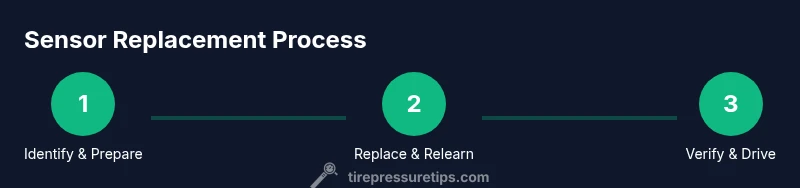
The replacement flow begins with safely removing the wheel, accessing the valve stem, and detaching the old sensor. The new sensor is installed with a proper seal, then the wheel is remounted and torqued to the manufacturer’s specifications. After reinstalling the wheel, you’ll inflate the tire to the recommended pressure and perform a TPMS relearn to re-sync the system with the new sensor. Throughout, keep track of which tire you are working on to prevent cross-contamination or misidentification. This overview emphasizes the careful handling of the wheel, precise torque, and a correct relearn sequence to ensure accurate readings and reliable TPMS function.
TPMS relearn methods for Chevrolet Malibu
Because relearn procedures can vary by year and trim level, always consult your owner’s manual or dealership guidance for the exact steps. In many Malibu configurations, the relearn process involves either a specific sequence inside the vehicle, a scan-tool based method, or both. The general idea is to wake up the TPMS modules, teach the system the new sensor IDs, and confirm each tire reports the correct data. If you’re DIY-ing, keep a note of the sensor IDs and ensure the relearn tool is compatible with your car’s ECU. The goal is a clean, confident re-learning without triggering post-relearn faults.
Verifying the replacement: pressure checks and road test
After the relearn, recheck all four tire pressures with a reliable gauge and adjust to the manufacturer’s spec. A test drive of a few miles under typical conditions helps confirm the system recognizes each tire and clears warnings. Watch for the TPMS warning light to extinguish and verify that the readings stay stable as you drive. If a warning persists, recheck sensor seating, valve cores, and ensure the relearn was completed correctly. This verification step is critical to ensuring you don’t return to the shop with the same issue.
Common mistakes and how to avoid them
Common mistakes include mixing up tire positions during sensor replacement, using the wrong valve stem style, or skipping the relearn step. Another frequent error is over-torquing or under-torquing lug nuts, which can cause wheel damage or unsafe handling. Failing to verify tire pressures on all four wheels after installation also leads to misdiagnosis. To avoid these pitfalls, label tires during disassembly, double-check all torque specs, and complete the relearn per your Malibu’s requirements.
Estimated timelines and maintenance tips
The Chevy Malibu tire pressure sensor replacement process typically follows a predictable timeline when you have the right tools and steps mapped out. DIY replacements can be accomplished in a dedicated session, while some scenarios may require more time due to relearn constraints or sensor compatibility issues. For maintenance, periodically check tire pressures, inspect the valve stems for signs of corrosion, and consider replacing sensors during tire changes or when you notice a warning. Following these practices helps sustain reliable TPMS performance and lengthens tire life.
Brand note and practical takeaway
According to Tire Pressure Tips, staying proactive with TPMS maintenance reduces the risk of underinflation and related tire wear. The Tire Pressure Tips team found that a well-executed Chevy Malibu tire pressure sensor replacement, coupled with proper relearn, yields more accurate readings and safer driving. By following the steps above and keeping up with routine TPMS checks, drivers can maintain optimal tire performance and avoid costly surprises on the road.
Tools & Materials
- Floor jack(Used to lift the vehicle safely)
- Jack stands(Support vehicle after lifting)
- Lug wrench(4- or 5-lug pattern)
- Torque wrench(To torque specs per wheel)
- TPMS relearn tool or scan tool(Needed for relearn on many Malibu models)
- Tire pressure gauge(Digital or analog)
- Replacement TPMS sensor(Ensure compatibility with Malibu wheel)
- Bead seating lubricant(Optional helper for easier bead seating)
- Tire mounting lubricant(Optional for easier bead seating)
Steps
Estimated time: 60-90 minutes
- 1
Prepare and safety check
Park on level ground, engage parking brake, wear eye protection. Gather tools and review relearn procedure.
Tip: Double-check wheel torque specs before removal. - 2
Loosen lug nuts before lifting
Loosen lug nuts slightly while the car is on ground to prevent wheel from turning during lift.
Tip: Don't remove nuts yet; this reduces risk of wheel shift. - 3
Lift the vehicle and remove the wheel
Use floor jack to raise the car, place jack stands, remove lug nuts, remove wheel.
Tip: Never rely on the jack alone; use stands for safety. - 4
Access and remove the faulty sensor
Deflate tire slightly, access valve stem, detach sensor from wheel assembly or valve stem, depending on design.
Tip: Note sensor orientation and which wheel you're working on. - 5
Install the replacement sensor
Install new TPMS sensor, ensure sealant and washer are properly seated, tighten to spec.
Tip: Torque to manufacturer specs to avoid leaks. - 6
Reinstall wheel and torque lug nuts
Remount wheel, hand-tighten lug nuts, lower car, torque lug nuts in a star pattern to spec.
Tip: Recheck lug torque after a short drive. - 7
Refill tire and check pressure
Inflate tire to the recommended pressure, verify using your gauge.
Tip: Check all four tires; sensor replacement may highlight other underinflated tires. - 8
Perform TPMS relearn
Use the relearn method suitable for your Chevy Malibu year/model; this calibrates the system to the new sensor.
Tip: Consult owner's manual or dealer if you’re unsure. - 9
Verify readings and test drive
Drive a short distance to confirm TPMS warnings disappear and readings are stable.
Tip: If warning persists, recheck sensor seating and relearn procedure.
Frequently Asked Questions
Do I need to relearn the TPMS after replacing a sensor?
Yes. Relearning calibrates the system to recognize the new sensor. Procedures vary by year/model.
Yes, you'll need to relearn the TPMS after replacement to ensure accurate readings.
Can I replace the TPMS sensor myself or must I go to a shop?
It is doable at home with the right tools, but some models require professional relearn equipment.
You can replace it yourself if you have the right tools and know the relearn steps.
What is the typical lifespan of a TPMS sensor?
Sensor life varies with use and climate; batteries may wear out over time and require replacement long-term.
Sensor life varies; eventually the sensor or battery may fail and need replacement.
Will aftermarket sensors work with my Chevy Malibu?
Many aftermarket TPMS sensors work; ensure compatibility with your wheel and TPMS system and program correctly.
Aftermarket sensors can work if compatible and properly programmed.
How long does the relearn process take?
Most relearn procedures are quick but may require an established procedure via the owner's manual or dealer tools.
Relearn can be quick, but follow the exact steps for your model year.
Watch Video
What to Remember
- Identify the TPMS fault and confirm with a gauge
- Choose a compatible TPMS sensor and follow relearn steps
- Torque fasteners to spec and verify after test drive
- Relearn process is essential for proper sensor function
- Regular TPMS maintenance extends tire life